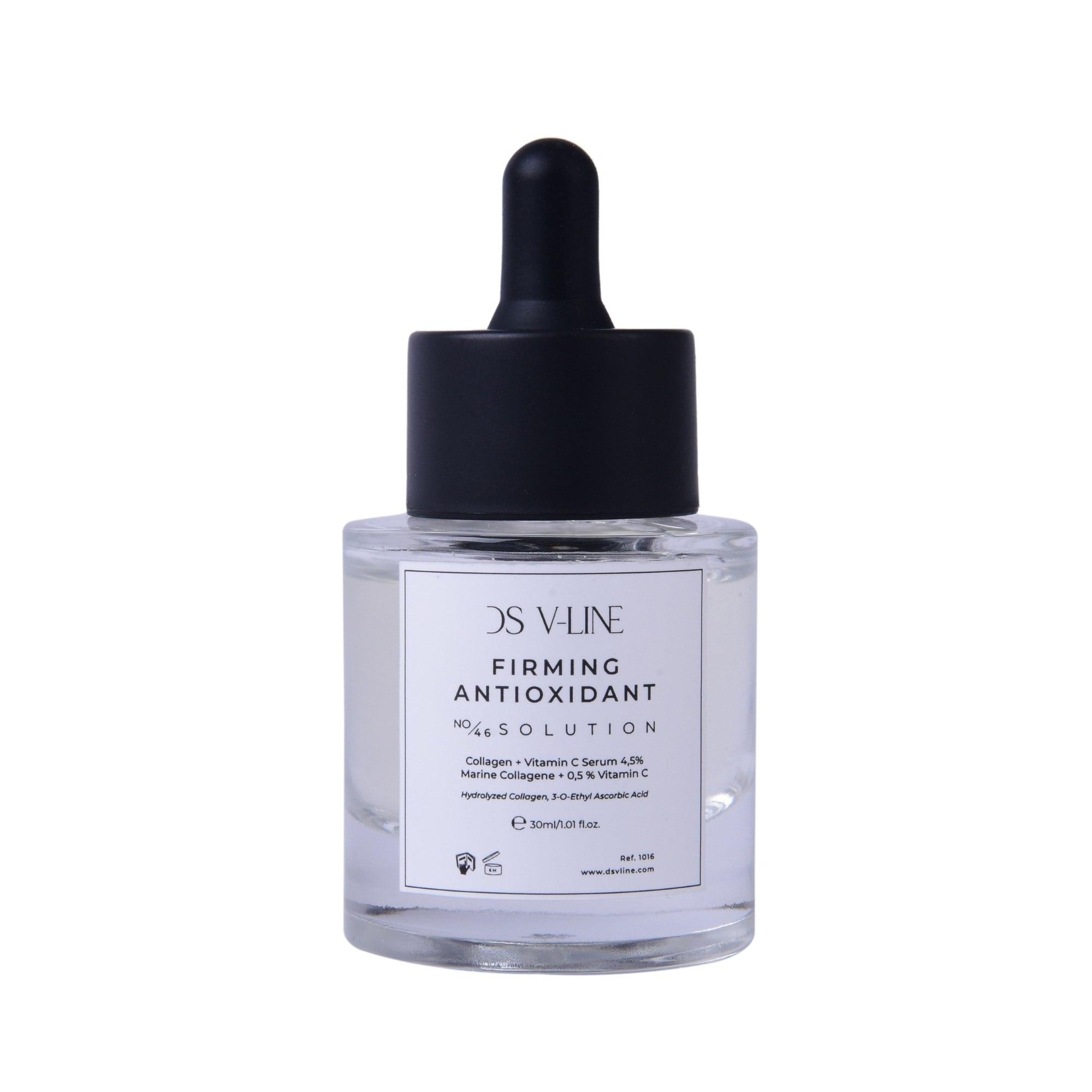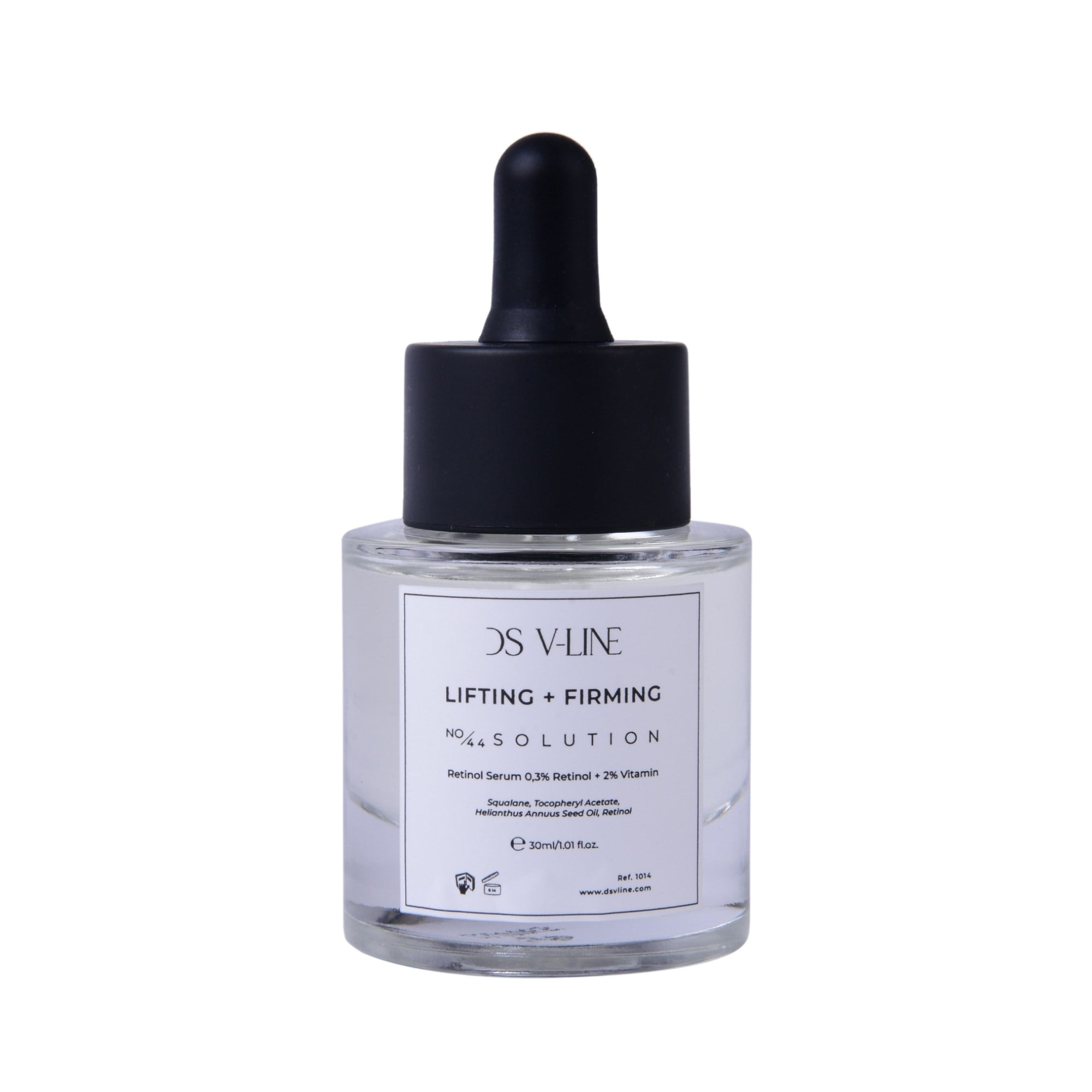

Large pores on the face are one of the most common skincare concerns, especially around the nose, cheeks and forehead. They are completely normal and cannot be permanently “closed,” but the right skincare routine can make them look noticeably less prominent by addressing the factors that exaggerate their appearance, such as excess sebum, clogged pores, dead skin cell buildup and uneven texture. One of the most useful ingredients for this concern is niacinamide, particularly when visible pores appear together with oily or combination skin. The DS V-LINE Brightening Niacinamide Serum combines 15% niacinamide with 5% glycolic acid, making it especially relevant for visible pores, excess sebum, uneven texture and dull-looking skin. However, niacinamide is only one part of the picture. Salicylic acid, AHA and retinol can also be useful depending on why your pores look enlarged in the first place.
Why Do Pores Look Enlarged?
Pores are small openings in the skin connected to hair follicles and sebaceous glands. Sebum travels through these openings to the surface, where it helps keep the skin naturally lubricated. Everyone has pores, but their visibility varies depending on genetics, oil production, skin texture, age and sun exposure. People with naturally oily skin often have more visible pores because higher sebum production can make the openings appear larger, especially in the T-zone. Clogged pores can further exaggerate their appearance when sebum mixes with dead skin cells and debris inside the follicle, while rough or uneven texture can make the surrounding skin reflect light less evenly and therefore make pores stand out more. Genetics also play a major role, and as skin gradually loses firmness over time, pores may appear more elongated or defined. This is why the goal of skincare should not be to “erase” pores but to keep them clear, improve the texture around them and reduce factors that make them look more visible.
Can You Actually Shrink Large Pores?
Not permanently. Pores do not have muscles that open and close, so cold water, hot steam or pore-tightening toners cannot physically change their anatomical size. What skincare can do is improve their appearance. When excess oil is controlled, congestion is reduced and the surrounding skin becomes smoother, pores often look smaller and less noticeable. This distinction is important because it shifts the focus away from temporary tightening effects and toward ingredients that address the actual causes of visible pores.
Niacinamide for Large Pores
Niacinamide is one of the most versatile ingredients for enlarged-looking pores because it can support sebum balance, strengthen the skin barrier and improve the appearance of uneven tone and texture. It does not physically shrink pores, but it can help create a smoother and more balanced-looking complexion, particularly when excess oil contributes to their visibility. The DS V-LINE Brightening Niacinamide Serum contains 15% niacinamide together with 5% glycolic acid, combining sebum-focused care with gentle exfoliating benefits. Glycolic acid helps remove accumulated dead skin cells from the surface, which can make the skin appear smoother and help reduce the rough texture that often makes pores look more noticeable. Because this is a concentrated active formula, it makes sense to introduce it gradually rather than combining it immediately with several other strong treatments.
Salicylic Acid and BHA for Clogged Pores
If visible pores are accompanied by blackheads, clogged pores, excess oil or congestion, salicylic acid can be especially relevant. Salicylic acid is a beta hydroxy acid, or BHA, commonly used in skincare for oily and blemish-prone skin because it helps reduce the buildup of oil and dead cells inside and around the pore. This makes it particularly useful for large pores on the nose and forehead, where sebaceous activity is often higher. The DS V-LINE Deep Peeling Serum combines 10% AHA with 2% BHA, targeting both surface texture and pore congestion. The AHA component helps remove dead cells from the surface, while the BHA component is especially useful when blackheads and clogged pores are part of the problem. Strong exfoliation should not be mistaken for daily exfoliation, however. Overusing acids can cause dryness, irritation and sensitivity, which may make skin texture look worse instead of better.
AHA for Rough and Uneven Skin Texture
Large-looking pores are often partly a texture issue. When dead skin cells accumulate, the skin may appear dull, rough or uneven, causing pores to stand out more strongly. Alpha hydroxy acids such as glycolic acid, lactic acid and mandelic acid mainly exfoliate the skin surface and can help create a smoother, more even appearance. AHA can therefore be particularly useful when visible pores occur together with dullness, rough patches or uneven texture. A combined AHA and BHA treatment can make sense when both surface buildup and clogged pores are present, but more exfoliation is not always better. Consistency matters more than intensity.
Does Retinol Help With Large Pores?
Retinol can also help improve the appearance of visible pores, particularly when they are associated with uneven texture, fine lines or age-related changes in the skin. Retinol is a vitamin A derivative commonly used to support skin renewal and improve overall skin texture over time. Unlike salicylic acid, it is not primarily used to clear an individual pore. Instead, its benefit lies in helping the skin appear smoother, firmer and more refined with consistent use. The DS V-LINE Regenerating Retinol Serum combines pure retinol with vitamin E and is formulated to support skin renewal while improving the appearance of uneven texture, fine lines and visible pores. Retinol should generally be introduced gradually, especially if the skin is not accustomed to active ingredients, and it is usually better to alternate stronger retinol and exfoliating treatments rather than layering everything at once.
Niacinamide, Salicylic Acid or Retinol: Which Is Best for Large Pores?
The best ingredient depends on what is making your pores look enlarged. If your skin becomes oily quickly and the pores are most visible across the T-zone, niacinamide may be a useful starting point. If you are dealing with blackheads, clogged pores or excess sebum, salicylic acid and BHA may be more relevant. If the main concern is rough texture, dullness and accumulated dead skin cells, AHA can help improve the appearance of the surface. If visible pores occur together with fine lines, reduced firmness or more general textural changes, retinol may be the better long-term option. Many people benefit from more than one of these ingredients, but they do not need to be used in the same routine or on the same day.
A Simple Skincare Routine for Large Pores
A skincare routine for large pores does not need to be complicated. In the morning, use a gentle cleanser if needed, followed by hydration and broad-spectrum sunscreen. Daily SPF is important because UV exposure contributes to visible signs of skin ageing and can gradually affect skin firmness and texture. In the evening, cleanse the skin gently and introduce one targeted active depending on your main concern. For oily skin and visible pores, a niacinamide-based serum can be a logical choice. If congestion and blackheads are more prominent, an AHA/BHA treatment can be used periodically. Retinol can be introduced on separate evenings when longer-term improvements in texture, fine lines and skin refinement are the main goal. Avoid using every active ingredient at once, especially if your skin is sensitive or new to acids and retinoids.
Large Pores on the Nose
Pores are often most visible on the nose because this area contains a high concentration of sebaceous glands. Some of the dark or grey dots people identify as blackheads may actually be sebaceous filaments, which are normal structures that help transport sebum through the pore. They cannot be permanently removed because they are part of normal skin function. However, salicylic acid can help reduce visible congestion, while niacinamide may support a more balanced appearance when excess oil is contributing to the problem. Avoid repeatedly squeezing the nose, as frequent mechanical pressure can irritate the skin and make redness and texture more noticeable.
Large Pores on the Cheeks
Visible pores on the cheeks can be influenced by oil production, genetics, skin texture and changes in firmness. If the cheek area is oily or congested, ingredients such as niacinamide, AHA or BHA may help. If the pores appear together with fine lines or more general textural changes, retinol may be more relevant. The important point is that not all large-looking pores have the same cause, so using the same treatment on every area of the face is not always necessary.
Common Mistakes That Can Make Pores Look Worse
Over-exfoliation is one of the most common mistakes. Using acids too frequently can damage the skin barrier and lead to dryness, irritation and increased sensitivity, which may make texture appear more obvious. Aggressive cleansing is another problem. Oily skin does not need to feel tight or “squeaky clean” after washing, and harsh cleansers can remove more surface oil than necessary. Constantly squeezing pores or using abrasive scrubs can also irritate the surrounding skin. Finally, introducing several strong actives at the same time makes it difficult to identify what is helping and what is causing irritation. A simpler routine with one or two targeted ingredients is often easier to tolerate and easier to evaluate.
How Long Does It Take to Improve the Appearance of Large Pores?
There is no instant fix for visible pores. Exfoliating treatments may make the skin feel smoother relatively quickly because they remove accumulated dead surface cells, while changes related to sebum balance, retinol use and overall texture usually require consistent use over several weeks. Rather than examining individual pores every day, it is more useful to look for broader changes: less congestion, fewer blackheads, smoother texture, more balanced oil production and a more refined overall appearance.
Frequently Asked Questions About Large Pores
Can pores be permanently closed?
No. Pores are natural structures in the skin and cannot permanently open or close. Skincare can make them appear less noticeable by reducing congestion, balancing excess sebum and improving surrounding skin texture.
Does niacinamide reduce large pores?
Niacinamide can help improve the appearance of visible pores, particularly when excess sebum and oily skin are contributing factors. It does not physically shrink pores, but it can support a smoother and more balanced-looking complexion.
Is salicylic acid good for large pores?
Yes, particularly when large pores are accompanied by blackheads, oily skin or congestion. Salicylic acid is a BHA commonly used in skincare for clogged pores and excess sebum.
Is retinol good for visible pores?
Retinol can help improve overall skin texture and may make pores look more refined over time, especially when they occur together with fine lines, uneven texture or reduced firmness.
Should I use AHA or BHA for large pores?
BHA is especially useful for oily and congested pores, while AHA primarily targets dead skin cells and rough texture on the surface. Some treatments combine both when several concerns are present at the same time.
Can I use niacinamide and retinol for large pores?
Both can be included in the same overall skincare routine, but stronger formulations should be introduced gradually. They do not need to be layered together in order to be effective.
Why do my pores look bigger after cleansing?
Very hot water, harsh cleansers and excessive scrubbing can temporarily dry or irritate the skin, making texture appear more obvious. Gentle cleansing is generally a better long-term approach.
What is the best serum for large pores?
The best serum depends on the cause. For oily skin and visible pores, niacinamide can be particularly useful. For clogged pores and blackheads, BHA may be more appropriate. For uneven texture and signs of ageing, retinol can be considered. If excess oil and visible pores are your main concerns, the DS V-LINE Brightening Niacinamide Serum is the most directly targeted option within the DS V-LINE range.
The Bottom Line
Large pores are normal and cannot be permanently erased, but their appearance can often be improved significantly with the right skincare strategy. Niacinamide can be useful for excess sebum and visible pores, salicylic acid can help when congestion and blackheads are involved, AHA can improve rough surface texture and retinol can support longer-term improvements in skin texture and refinement. The most effective routine is not the one with the greatest number of active ingredients, but the one that addresses the main reason your pores look enlarged while keeping the skin comfortable and consistent over time. If visible pores and excess oil are your primary concern, start by looking at the DS V-LINE Brightening Niacinamide Serum. For more intensive exfoliation and clogged pores, consider the DS V-LINE Deep Peeling Serum, while the DS V-LINE Regenerating Retinol Serum is better suited to a routine focused on texture, refinement and visible signs of ageing.