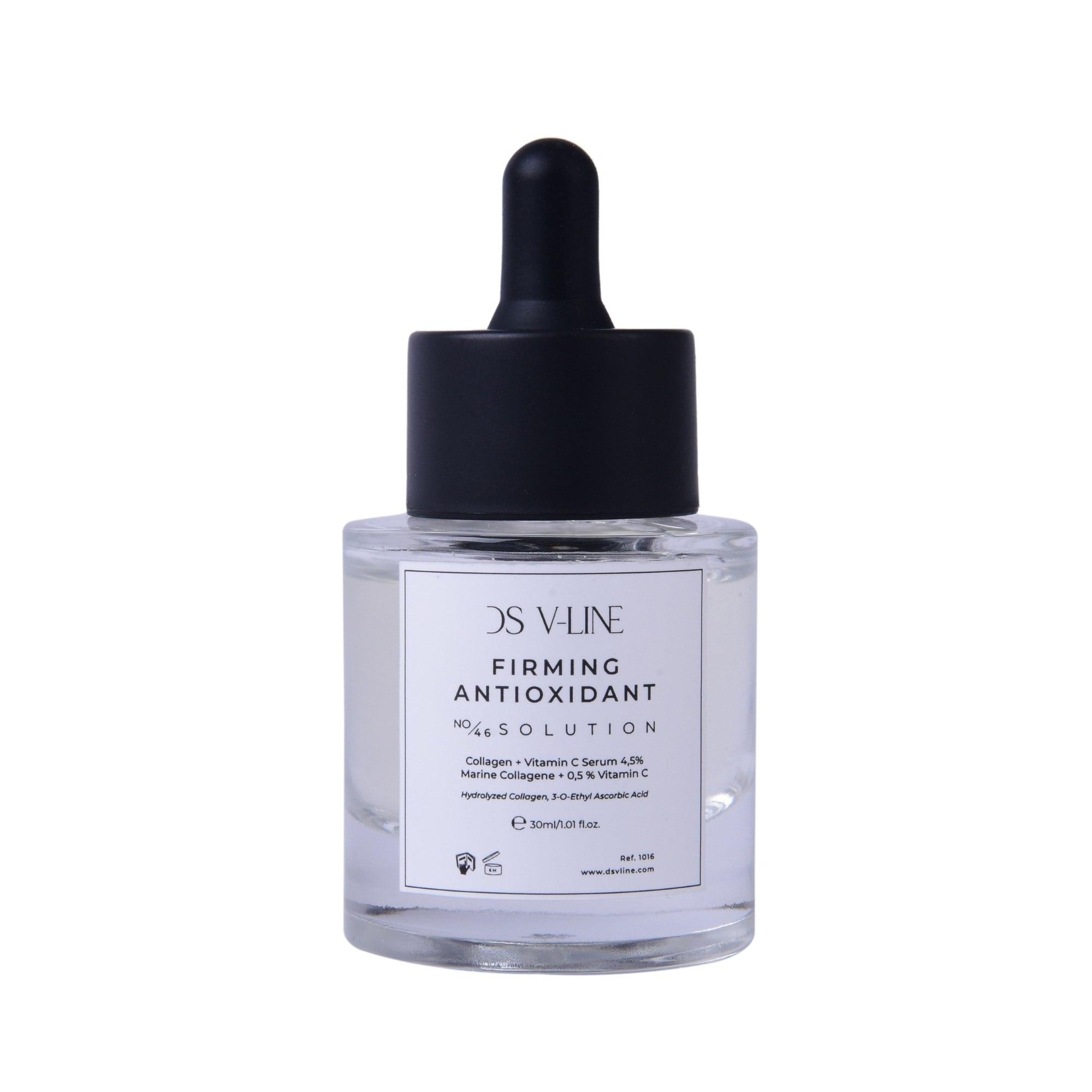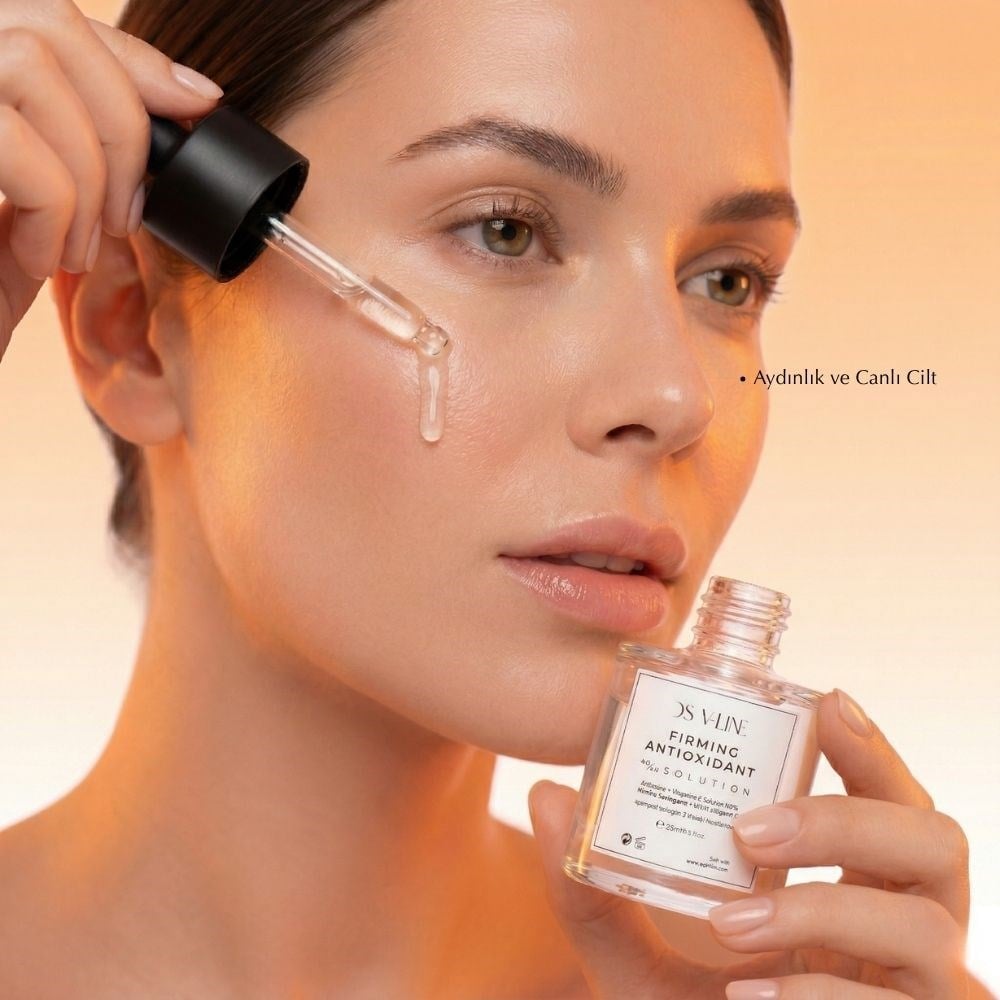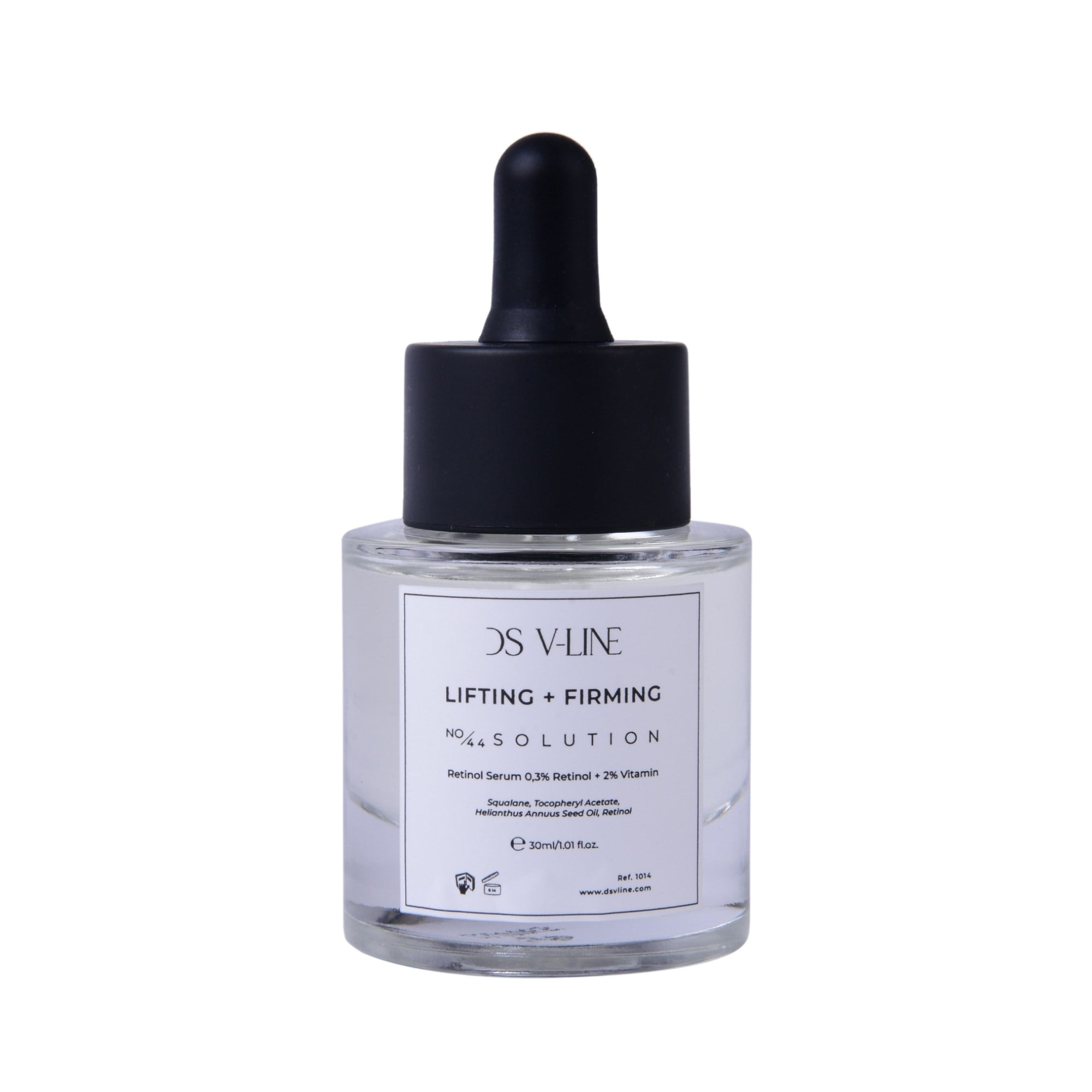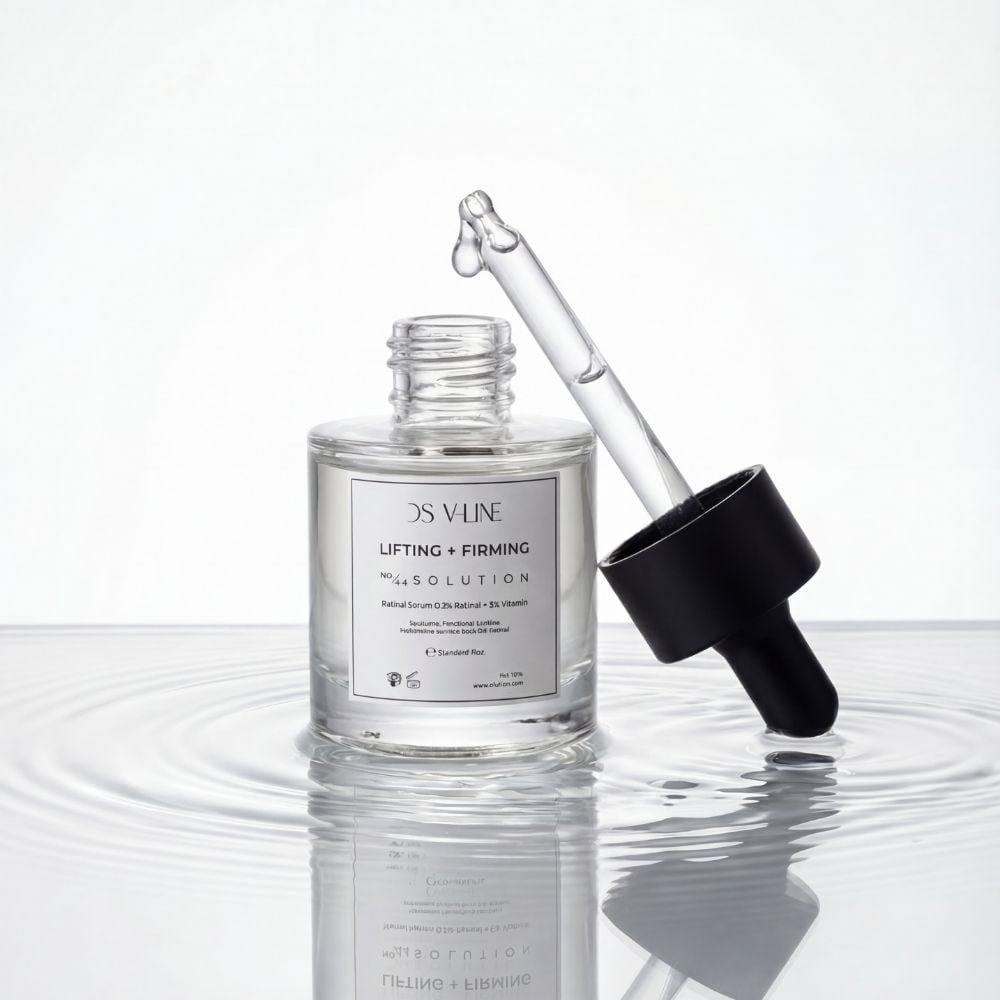

You have a cleanser, a serum, a moisturizer and maybe a few treatments you have been meaning to try. Yet your skin still feels tight, looks dull or seems to become irritated whenever you introduce something new. It is tempting to assume that you simply have not found the right product. Sometimes, though, the way you use your skincare matters just as much as what you use.
A good skincare routine does not need to be complicated. It needs to suit your skin, address your main concerns and be consistent enough for you to understand what is working. From over-exfoliating to skipping sunscreen, these ten common skincare mistakes can make a routine less effective or harder for your skin to tolerate.
1. Using a Cleanser That Leaves Your Skin Feeling Stripped
That squeaky-clean feeling after washing your face might seem satisfying, especially if you have oily skin. But if your skin feels tight or uncomfortable immediately afterward, your cleanser or cleansing habits may be too harsh. Washing too frequently, using hot water or scrubbing aggressively can also contribute to irritation.
What to do instead: Choose a gentle cleanser suited to your skin type, use lukewarm water and pat your face dry rather than rubbing it. The goal is to remove makeup, sunscreen and daily buildup without leaving your skin feeling stripped. If your face becomes shiny later in the day, that does not mean you need to wash it repeatedly.
2. Skipping Moisturizer Because Your Skin Is Oily
One of the most persistent skincare myths is that oily skin does not need moisture. In reality, oil production and hydration are different things. Your skin can look shiny while still feeling tight or dehydrated, and avoiding moisturizer altogether may leave it uncomfortable.
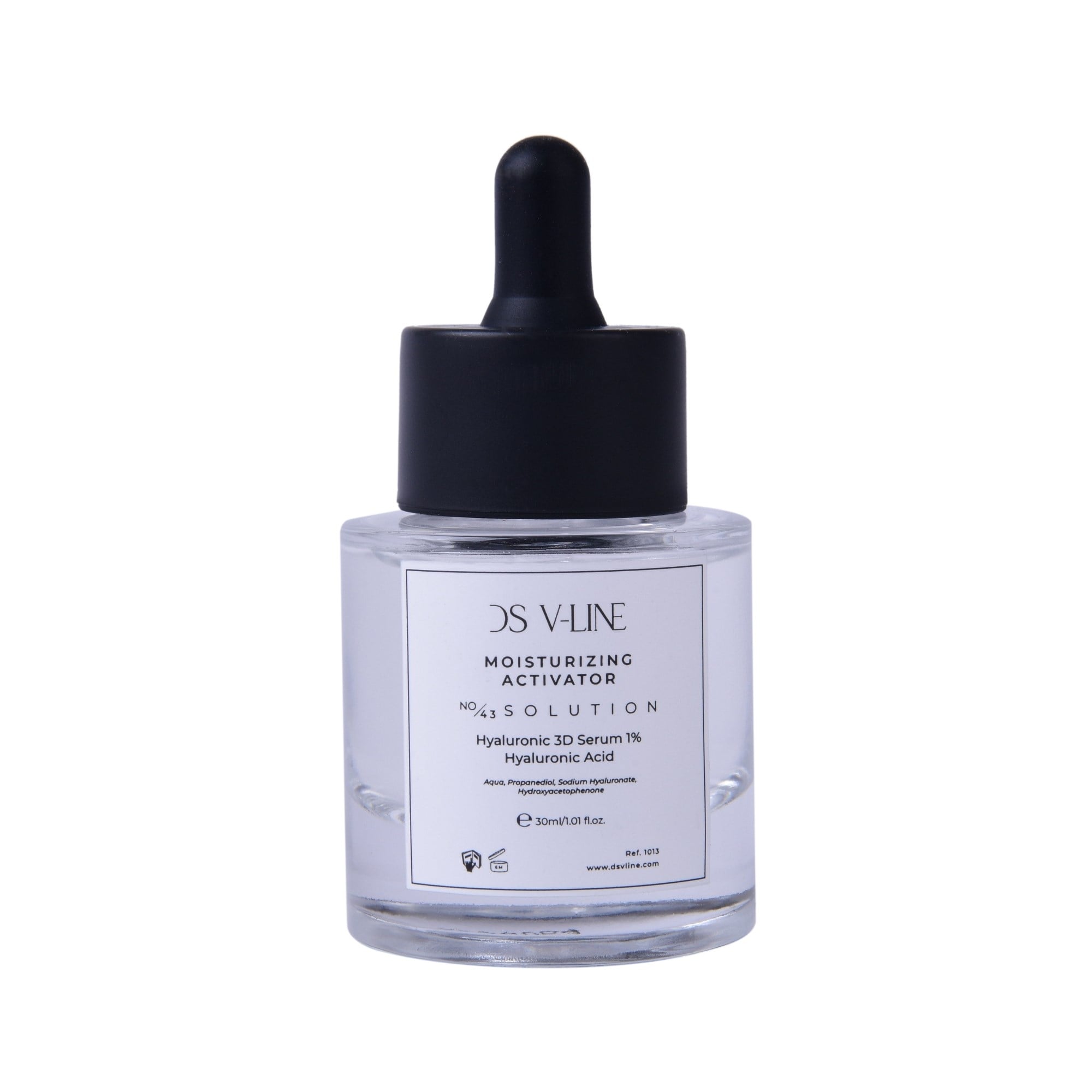
What to do instead: Find a moisturizer with a texture you enjoy using. A lightweight formula may feel more comfortable on an oily T-zone, while drier areas might benefit from additional care. If your skin needs a hydrating step, the DS V-LINE Moisturizing Hyaluronic 3D Serum can be incorporated before your moisturizer. Hyaluronic acid helps bind water, making it a useful ingredient when dehydration is one of your concerns.
3. Exfoliating Too Often in Search of Smoother Skin
Exfoliation can help improve the appearance of rough skin and remove some of the dead skin cells that accumulate on its surface. But using exfoliating acids every day, combining multiple peels or scrubbing until your skin feels completely smooth can lead to dryness and irritation. More exfoliation does not automatically mean better results.
What to do instead: Choose an exfoliating product that suits your skin and follow its specific instructions. The DS V-LINE Deep Peeling Serum combines 10% AHA and 2% BHA and is a wash-off treatment, not a leave-on daily serum. Apply it only as directed, leave it on for no longer than the instructed time and rinse thoroughly. Avoid combining it with retinol or other intensive exfoliating treatments on the same evening, and remember to use sunscreen during the day.
4. Introducing Too Many New Products at Once
A new serum, a new cream and a new exfoliant might all sound promising. But when you introduce several products simultaneously, it becomes difficult to tell which one is helping—or which one is causing irritation. This is especially important when your routine includes active ingredients such as retinol or exfoliating acids.
What to do instead: Start with the essentials: gentle cleansing, moisturizing care and daytime sun protection. Then introduce one targeted product at a time. Pay attention to how your skin feels and follow each product’s instructions. A simpler routine is also easier to maintain, which matters when you are trying to assess gradual changes in your skin.
5. Using Retinol Without Building Up Gradually
Retinol is a popular ingredient in routines targeting the appearance of fine lines and uneven skin texture. However, applying it too frequently from the beginning or combining it with several other strong treatments can cause dryness, peeling and irritation. Retinol is not an ingredient you need to rush.
What to do instead: If retinol is suitable for you, introduce it gradually and use it in the evening according to the product instructions. The DS V-LINE Regenerating Retinol Serum can be considered as a targeted nighttime treatment. Keep the rest of your routine gentle, avoid using it on the same evening as an intensive peel and wear sunscreen during the day. Retinoids should be avoided during pregnancy; seek medical advice if you are unsure whether they are appropriate for you.
6. Forgetting Sunscreen When You Are Not at the Beach
Sunscreen is sometimes treated as a holiday essential rather than an everyday skincare step. But UV exposure is not limited to beach days. It contributes to visible signs of skin ageing and can make concerns such as uneven-looking tone more noticeable over time.
What to do instead: Make broad-spectrum sun protection the final step of your morning skincare routine. The DS V-LINE Lumea SPF50 Sunscreen Cream is one option to consider. Apply sunscreen generously and reapply as needed, particularly when spending time outdoors. Sunscreen is also an important part of a routine that includes retinol or exfoliating acids.
7. Choosing Products Based Only on Trending Ingredients
It is easy to feel that your routine is incomplete when everyone seems to be talking about a new ingredient. But a product that works well for someone else may not address your skin’s needs. A popular serum is not automatically the right choice if your main concern is dryness, while a strong exfoliant may be unnecessary if your skin is already irritated.
What to do instead: Start with your actual skin concern. Is your skin dehydrated, prone to clogged pores, visibly uneven in tone or sensitive to certain products? Once you have identified your priority, choose ingredients and formulations that fit it. For example, the DS V-LINE Brightening Niacinamide Serum contains 15% niacinamide and 5% glycolic acid. Because it includes an exfoliating acid, it should be treated as an active product rather than a basic hydrating serum or something to add automatically to every routine.
8. Ignoring Signs That Your Skin Needs a Break
Tightness, persistent stinging, flaking and increasing sensitivity are not signs that a product must be working. They may indicate that your skin is irritated or that your current routine is too intensive. Continuing to add active ingredients in response can make it harder to identify the problem.
What to do instead: If your skin becomes uncomfortable, simplify your routine and pause products that appear to be causing irritation. Focus on gentle cleansing and suitable moisturizing care. The DS V-LINE SucraEx Barrier Repair Cream can be considered as part of a routine focused on moisturizing and supporting the skin barrier. If burning, redness or other symptoms persist or worsen, consult a dermatologist.
9. Expecting Visible Results Overnight
It is frustrating to use a new product for a few days and see no obvious difference. That frustration can lead to another common mistake: switching products constantly or applying them more often than recommended. Yet different skincare concerns respond at different rates. A hydrating product may make skin feel more comfortable relatively quickly, while changes in the appearance of fine lines or uneven texture generally require more patience.
What to do instead: Set realistic expectations and follow the product instructions. Rather than looking for a dramatic overnight transformation, notice smaller changes: Does your skin feel more comfortable? Are dry patches less noticeable? Is your routine easier to tolerate? If a product causes irritation, do not continue using it simply because you think results must be just around the corner.
10. Following a Complicated Routine You Cannot Maintain
A ten-step routine might look impressive on social media, but it is not necessarily better for your skin. When a routine becomes too time-consuming, expensive or confusing, it can be difficult to follow consistently. It may also include several products that perform similar jobs without addressing a clear need.
What to do instead: Build your routine around a few reliable steps and add targeted treatments only when they serve a purpose. You do not need every trending ingredient, and you do not need to use every serum you own each day. A routine that fits your skin and your schedule is more useful than an elaborate one you rarely complete.
What Does a Simple, Effective Skincare Routine Look Like?
If you are unsure where to start, focus on the basics before adding specialized treatments.
Morning: Cleanse gently if needed, apply a hydrating serum or moisturizer suited to your skin, and finish with broad-spectrum sunscreen. If your skin feels dehydrated, the Moisturizing Hyaluronic 3D Serum can be a hydration-focused step before moisturizer. Complete your routine with the Lumea SPF50 Sunscreen Cream or another suitable broad-spectrum sunscreen.
Evening: Remove makeup and sunscreen with a gentle cleanser, then apply moisturizer. If you use a targeted treatment such as retinol or an exfoliating serum, follow its instructions and avoid unnecessarily combining intensive active ingredients. On evenings when your skin feels dry or sensitive, a simpler moisturizing routine may be more appropriate.
Frequently Asked Questions About Skincare Mistakes
What is the most common mistake in a skincare routine?
There is no single mistake that applies to everyone. Common problems include using products that are too harsh, over-exfoliating, skipping moisturizer or sunscreen, and introducing too many active ingredients at once. The most useful change depends on your skin and your current routine.
Can using too many skincare products damage your skin barrier?
Using multiple products is not automatically harmful, but combining several irritating treatments or applying them too frequently can contribute to dryness and irritation. If your skin feels uncomfortable, simplify your routine and review how often you use active ingredients.
Is it bad to exfoliate every day?
Daily exfoliation is not appropriate for every skin type or every product. The suitable frequency depends on the formulation, its instructions and how your skin responds. Stronger peels should not be treated as everyday hydrating serums.
Should I use retinol and exfoliating acids together?
Combining retinol with intensive exfoliating acids can increase the risk of irritation, especially if your skin is not accustomed to either ingredient. Avoid using the DS V-LINE Deep Peeling Serum and Regenerating Retinol Serum on the same evening, and follow their individual instructions.
Do I need a different skincare routine for morning and night?
Your morning and evening routines can share several products, but they serve slightly different purposes. Daytime skincare should include sun protection, while the evening is an opportunity to remove makeup and sunscreen and use suitable nighttime treatments.
How do I know if my skincare routine is working?
Pay attention to your main concern and how your skin feels over time. Improved comfort, less noticeable dryness or gradual changes in the appearance of your skin may be useful signs. Persistent stinging, worsening redness or increasing irritation are reasons to reassess your products rather than use them more frequently.
The Bottom Line
Better skincare does not always mean more skincare. If your routine is not giving you the experience you hoped for, the answer may be to simplify it rather than add another product. Cleanse gently, moisturize according to your skin’s needs, protect it from the sun and introduce active ingredients with care. When every product has a clear purpose, it becomes easier to build a routine that feels comfortable and works for you.