
Does your skin suddenly feel tight, dry or sensitive even though you haven’t completely changed your skincare routine? Your skin barrier may be damaged or weakened. The skin barrier is the outermost protective layer of your skin. Its job is to help keep moisture in while protecting the skin from external stressors. When this barrier becomes compromised, your skin can lose moisture more easily and react to products that normally wouldn’t cause any problems.
So, how can you tell if your skin barrier is damaged? Here are 7 common signs of a damaged skin barrier to look out for.
1. Your Skin Feels Tight After Cleansing
A tight feeling after washing your face is often one of the first signs that something is off. If your skin regularly feels uncomfortable immediately after cleansing, your routine may be removing too much of its natural protective oils. Strong cleansers, hot water and excessive cleansing can all contribute to this feeling.
2. Products Suddenly Sting or Burn
Your favorite serum never bothered you before, but now it suddenly stings? When the skin barrier is compromised, ingredients can feel much more intense than usual. Even products that are generally well tolerated may cause temporary discomfort on stressed skin.
3. Your Skin Looks Red or Feels More Sensitive
Increased redness and sensitivity can also be signs that your skin barrier needs extra attention. You may notice that your skin reacts more quickly to weather changes, cleansing, active ingredients or even simple friction from a towel.
4. You Notice Dry, Flaky Patches
A healthy skin barrier helps prevent excessive water loss. When it is weakened, the skin can struggle to retain enough moisture, which may lead to dry or flaky areas. This can happen even if you normally have combination or oily skin.
5. Your Skin Feels Rough Instead of Smooth
Barrier problems do not always show up as obvious redness or peeling. Sometimes the first thing you notice is a change in texture. Your skin may feel rougher, less supple or simply less comfortable than usual.
6. Your Usual Skincare Suddenly Feels Like Too Much
Retinol, exfoliating acids and other active ingredients can be useful parts of a skincare routine, but using too many strong products at the same time can overwhelm the skin. If your usual routine suddenly leaves your face feeling dry, irritated or uncomfortable, your skin may be asking for fewer actives and more barrier-focused care.
7. Your Skin Feels Dehydrated, Even When It Looks Oily
Oily skin can still be dehydrated. If your face becomes shiny during the day but feels tight underneath, moisture loss may be part of the problem. Instead of trying to remove even more oil, focus on restoring hydration and supporting the skin barrier.
What Does a Damaged Skin Barrier Need?
When your skin barrier feels compromised, more skincare is not necessarily better. In many cases, the smartest approach is to simplify your routine. Temporarily reduce strong exfoliants, frequent peeling and other intensive active ingredients. Keep cleansing gentle, add hydration and use a moisturizer designed to support skin comfort and barrier function.
For skin that needs additional barrier support, DS V-LINE SucraEx™ Barrier Repair Cream can be incorporated as the moisturizing step of a simplified routine. It was developed specifically for skin that needs additional barrier-focused care, making it particularly relevant when the skin feels dry, stressed or sensitive.
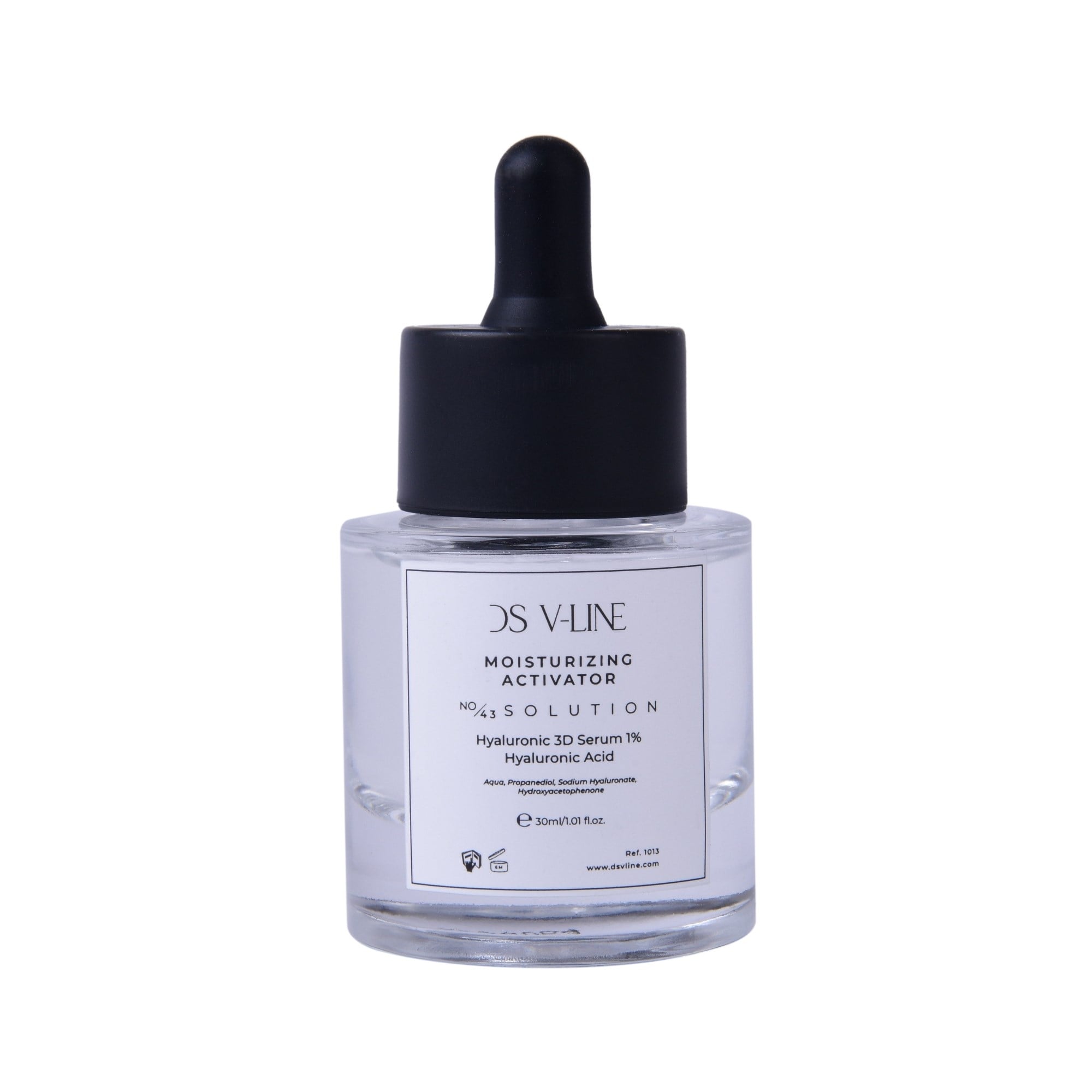
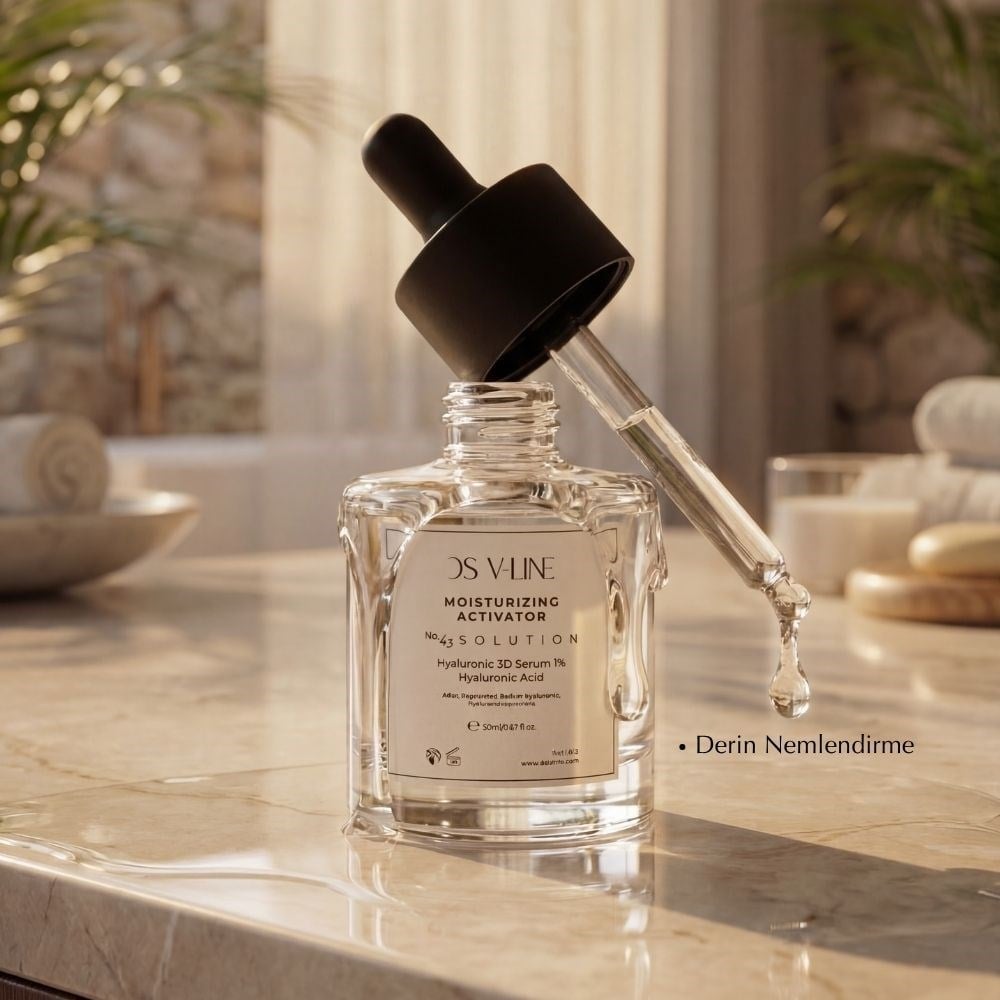
Dehydration can often appear alongside a weakened skin barrier. If your skin mainly feels tight or lacks moisture, DS V-LINE 43 Moisturizing Hyaluronic 3D Serum can be used before your moisturizer as a dedicated hydration step. Rather than adding several active treatments at once, keeping the routine focused on hydration and comfort can give stressed skin a much-needed break.
And don’t forget sunscreen. UV exposure is another source of stress for the skin, so daily sun protection remains important while simplifying your routine. Finish your morning skincare with a broad-spectrum sunscreen such as DS V-LINE Lumea SPF50 Sunscreen Cream.
A simple barrier-focused routine can therefore look like this: gentle cleanser → hydrating serum → barrier-supporting moisturizer → SPF in the morning. At night, remove sunscreen and makeup gently, hydrate if needed and finish with your moisturizer.
How Long Does It Take to Repair Your Skin Barrier?
There is no single timeline that applies to everyone. How quickly your skin feels comfortable again depends on what caused the irritation, how stressed the skin is and what you continue using during the recovery period. Instead of trying to fix everything overnight, focus on consistency. Give your skin a simple routine, avoid constantly introducing new active ingredients and pay attention to how it responds.
If redness, burning, itching or irritation is severe, persistent or getting worse, it is worth speaking with a dermatologist, as these symptoms can also be related to skin conditions rather than skincare alone. Ultimately, repairing a damaged skin barrier is less about adding more products and more about giving your skin what it actually needs: gentle care, hydration, protection and time.