
Have you ever noticed that your skin looks fairly even from a distance but feels rough when you run your fingers across it? Maybe makeup settles into certain areas, small bumps appear on your forehead or cheeks, or your complexion simply does not look as smooth as you would like. Uneven skin texture is a common concern, but it does not always have the same cause. Dryness, dead skin cells, clogged pores and visible changes in the skin's surface can all play a role.
The key to improving uneven skin texture is understanding what you are trying to address. A rough, dehydrated surface needs a different approach from clogged pores or deeper acne scars. With a consistent routine and the right products for your skin, you can work towards a smoother-looking complexion without overwhelming it with unnecessary treatments.
What Is Uneven Skin Texture?
Uneven skin texture refers to differences in how the surface of your skin looks or feels. It may appear as rough patches, tiny bumps, visible pores, flakiness or an irregular surface that becomes more noticeable under certain lighting or makeup. Some texture is completely normal: real skin has pores, fine lines and natural variations, and the goal of skincare should not be to make it look artificially poreless.
It is also important to distinguish uneven skin texture from uneven skin tone. Texture describes the skin's surface, while tone refers to differences in color, such as dark spots or pigmentation. The two can occur together, but they do not necessarily respond to the same products. If your main concern is roughness or bumps rather than discoloration, the following tips can help you build a more targeted routine.
7 Skincare Tips to Improve Uneven Skin Texture
1. Start With Gentle, Consistent Cleansing
A smoother-looking complexion starts with a routine that keeps the skin clean without leaving it feeling stripped. Cleansing helps remove sunscreen, makeup, excess oil and everyday buildup, but using a harsh cleanser or washing your face too frequently can leave the skin feeling tight and dry. When the surface becomes dehydrated or irritated, existing roughness may appear more noticeable.
Choose a cleanser that suits your skin type, use lukewarm rather than hot water and avoid aggressively rubbing your face with towels or cleansing tools. If you wear makeup or water-resistant sunscreen, make sure you remove it thoroughly in the evening. Your skin should feel clean and comfortable after cleansing, not unusually tight.
2. Exfoliate Carefully to Address Dead Skin Cell Buildup
When dead skin cells accumulate on the surface, skin can feel rough and appear less refined. Exfoliation can help remove some of that buildup, but the right method and frequency matter more than using the strongest treatment available. Chemical exfoliants such as AHAs and BHAs work differently: AHAs primarily exfoliate the skin's surface, while salicylic acid, a BHA, can also be useful in routines focused on clogged pores. Exfoliation is not suitable for everyone, and doing it too aggressively can increase irritation rather than improve texture.
If your uneven texture is accompanied by rough patches, blackheads or clogged pores, the DS V-LINE 40 Deep Peeling Serum may be a relevant targeted treatment. Its formula combines 10% AHA and 2% BHA, so it should be treated as a dedicated exfoliating product rather than an everyday hydrating serum. Follow its application instructions, avoid using it on irritated skin and do not assume that increasing the frequency will deliver faster results.
3. Keep Your Skin Properly Hydrated
Uneven texture is not always caused by clogged pores or dead skin cells. Sometimes the skin simply lacks sufficient moisture, making fine surface lines, flaky areas and roughness more noticeable. This can happen with dry skin, but oily and combination skin can also become dehydrated. If your skin feels tight after cleansing or makeup clings to dry patches, hydration deserves attention before you introduce another intensive treatment.
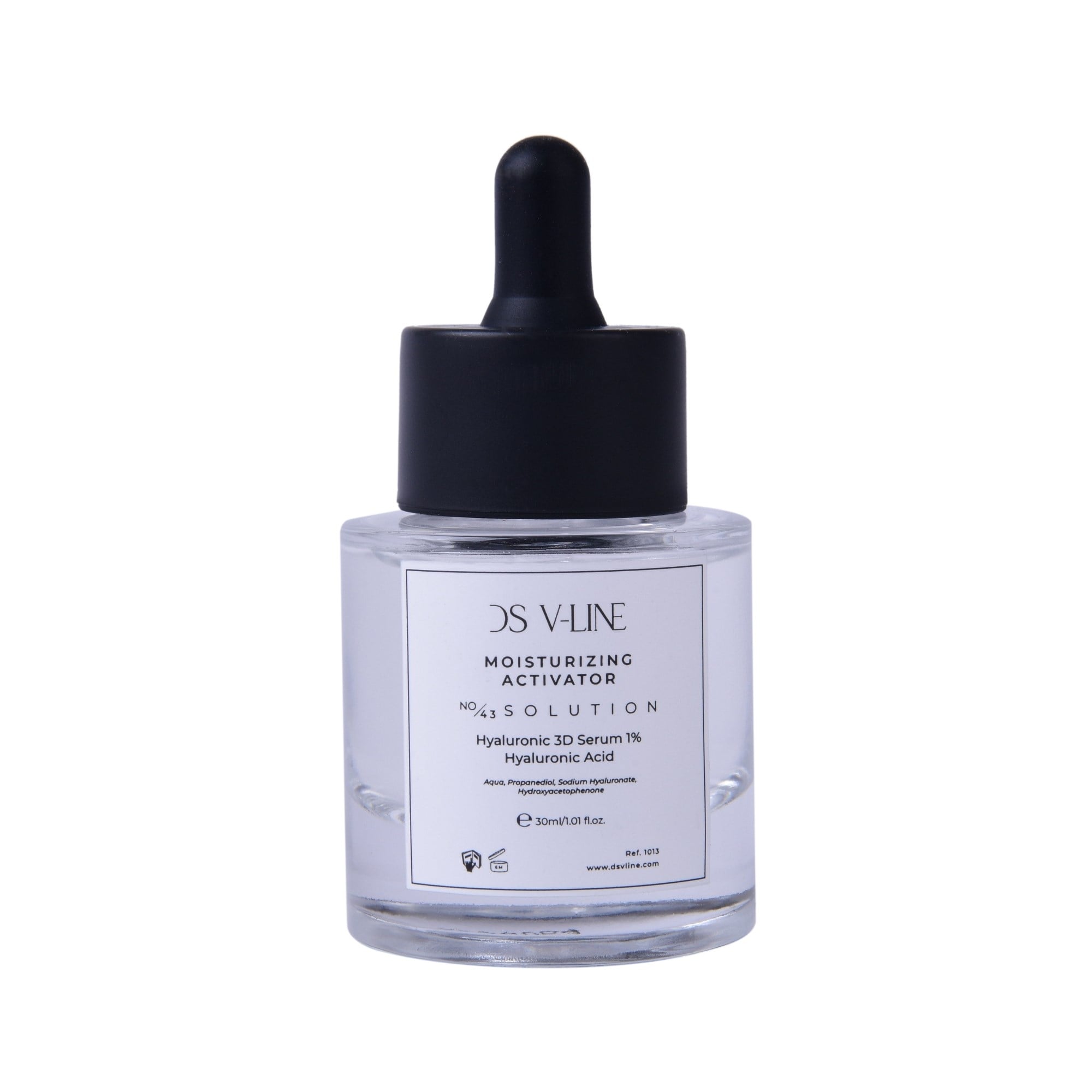
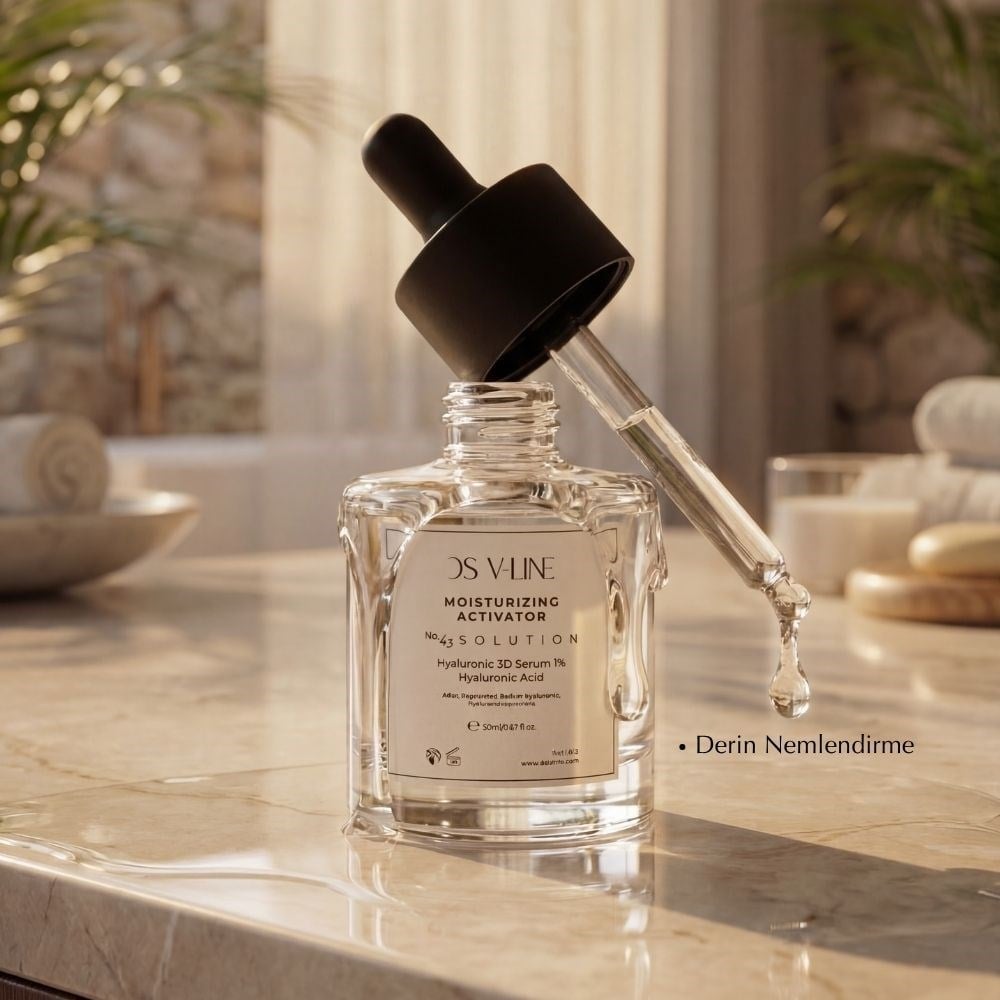
The DS V-LINE 43 Moisturizing Hyaluronic 3D Serum can be incorporated as a hydration-focused step before moisturizer. Hyaluronic acid helps attract and retain water, supporting a more hydrated, plump-looking surface. Follow it with a suitable cream to help maintain a comfortable skin feel. Hydration will not remove deep scars or permanently change pore size, but it can improve the appearance of texture associated with dryness and dehydration.
4. Consider Retinol for Persistent Uneven-Looking Texture
If your concern is a combination of uneven-looking texture, fine lines and a less refined skin surface, retinol may be worth considering. Retinol belongs to the retinoid family and is commonly used in skincare routines aimed at improving the appearance of texture and visible signs of skin ageing. It is not an instant solution, however, and introducing it too quickly can cause dryness or irritation.
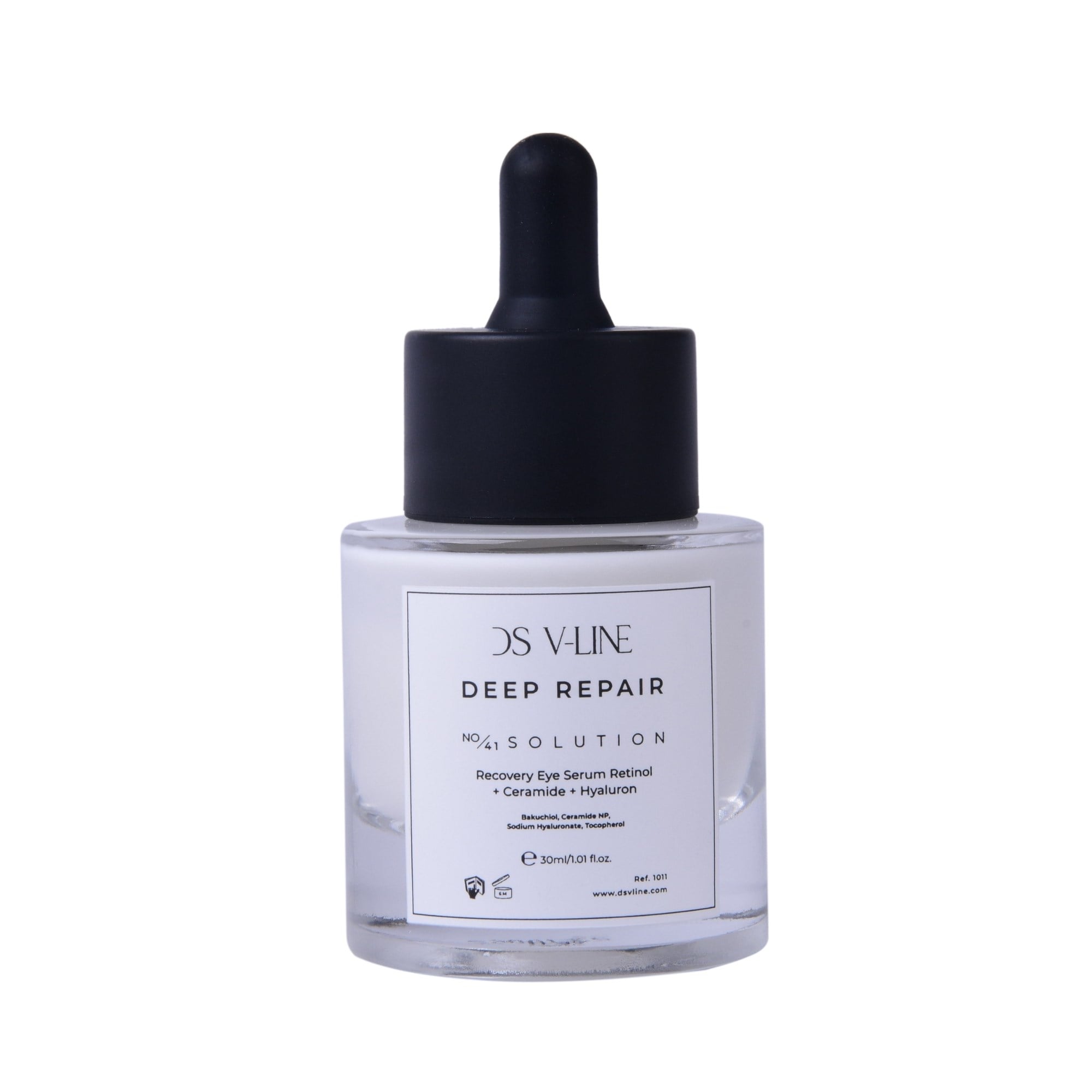
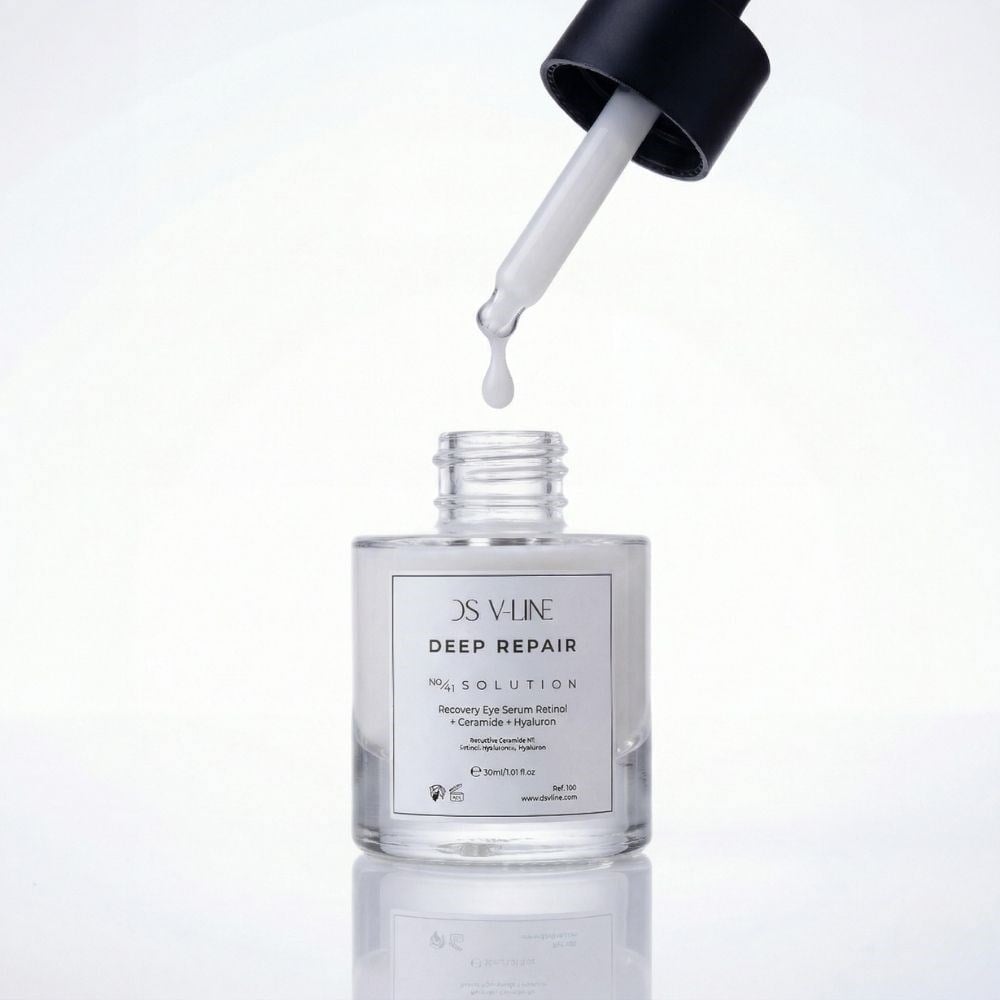
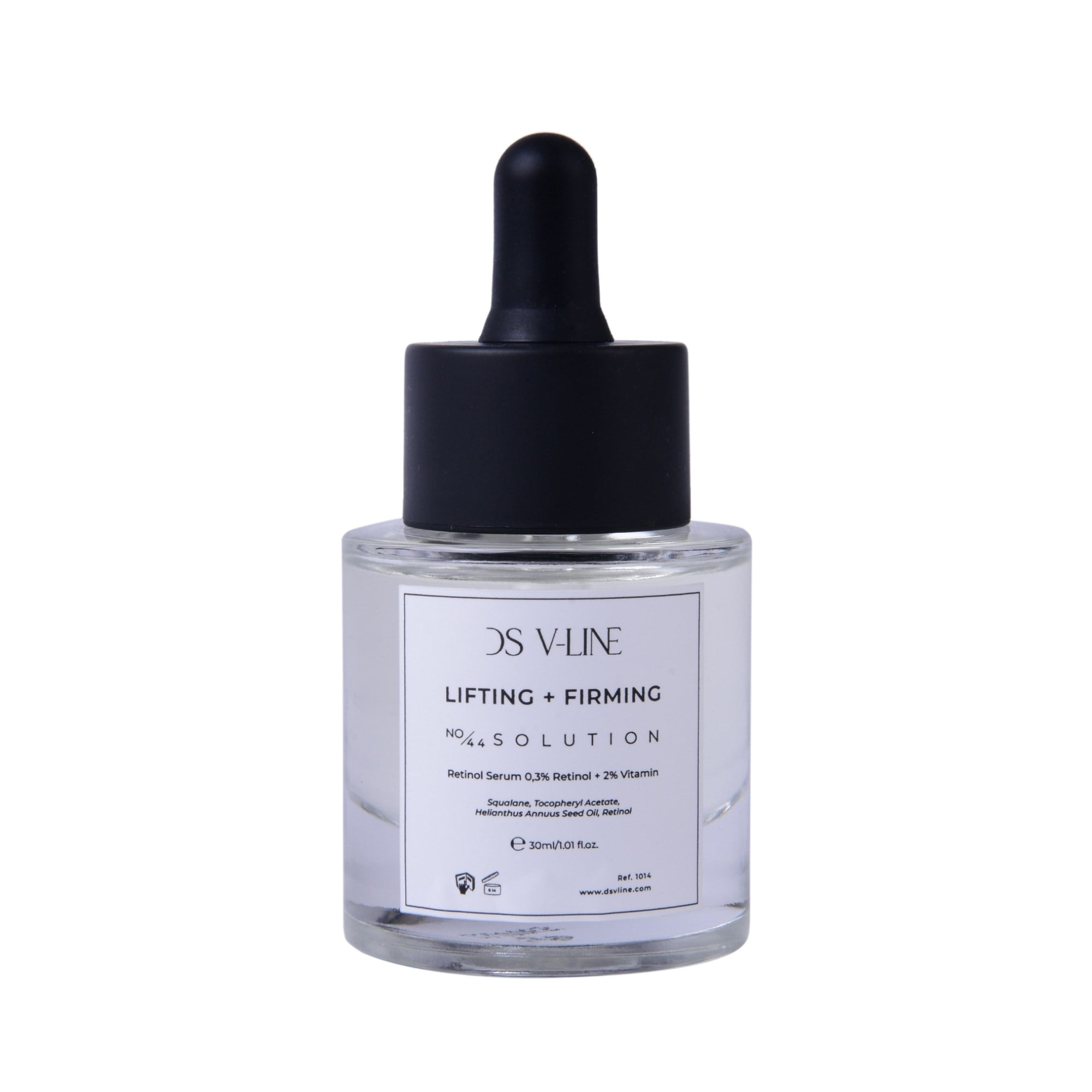
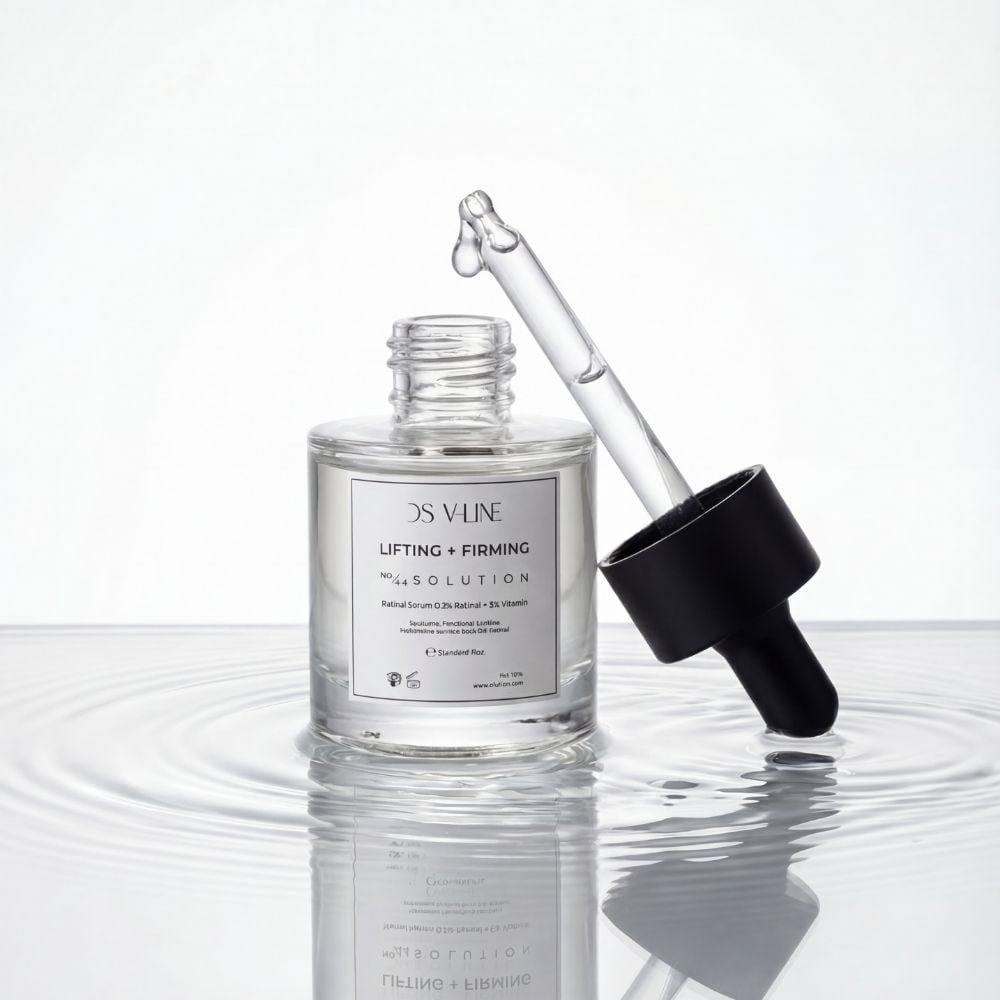
The DS V-LINE 44 Regenerating Retinol Serum is designed for evening use and contains retinol and vitamin E. If you are new to retinol, begin gradually and follow the product's directions rather than applying it every night from the start. Keep the rest of your routine simple, use sunscreen during the day and avoid combining it with a strong peeling treatment on the same evening. Retinoids should generally be avoided during pregnancy; consult a healthcare professional if you are unsure whether they are appropriate for you.
5. Pay Attention to Clogged Pores and Excess Oil
Small bumps and visible pores can make the skin's surface appear uneven, particularly around the forehead, nose and cheeks. If your skin is oily, it may be tempting to use drying products to remove as much oil as possible. That approach can leave the skin uncomfortable without necessarily addressing the underlying concern. Instead, look for a balanced routine that combines appropriate cleansing, hydration and a targeted treatment when needed.
The DS V-LINE 45 Brightening Niacinamide Serum is an option for routines focused on visible pores, sebum balance and uneven-looking skin. Importantly, it contains 15% niacinamide and 5% glycolic acid, which means it is an active treatment rather than a simple niacinamide-only hydration serum. Introduce it thoughtfully, particularly if you already use retinol or another exfoliating product. You do not need to layer every active ingredient in one routine to address visible texture.
6. Support Your Skin Barrier Instead of Adding More Actives
One of the most overlooked skincare tips for uneven texture is knowing when to stop adding products. If your skin becomes rougher while also feeling tight, sensitive, flaky or uncomfortable, a more intensive exfoliation routine may make matters worse. Frequent use of acids, retinol and harsh cleansing products can leave the skin irritated, and irritation itself may make its surface appear less smooth. Dermatologists recommend adjusting exfoliation to your skin type and following it with moisturizer rather than repeatedly exfoliating irritated skin.
On evenings when your skin needs a break from targeted treatments, focus on gentle cleansing, hydration and moisturizing care. The DS V-LINE SucraEx Barrier Repair Cream can fit into a simpler routine focused on moisture and skin-barrier support. If a product causes persistent burning, marked redness or worsening irritation, discontinue it and seek professional advice rather than trying to push through the reaction.
7. Use Sunscreen Every Day and Give Your Routine Time
Sun protection is an essential part of a routine focused on maintaining healthy-looking skin. UV exposure contributes to visible skin ageing and can make concerns such as fine lines and uneven-looking tone more noticeable over time. Sunscreen will not erase existing bumps or scars, but it helps protect your skin while you work on other concerns. This is particularly important if your routine includes retinol or exfoliating acids.
Finish your morning routine with a broad-spectrum sunscreen such as the DS V-LINE Lumea SPF50 Sunscreen Cream, applying it generously and reapplying as needed, especially when spending time outdoors. Just as importantly, give your skincare routine time. Changing products every few days makes it difficult to understand what your skin responds to, while introducing one targeted treatment at a time allows you to assess its effects more clearly.
What Causes Small Bumps and Rough Skin on the Face?
Not every bump has the same cause. Some are associated with clogged pores, while others may relate to dryness, irritation or a skin condition that needs a different approach. Tiny bumps on the forehead, rough patches on the cheeks and deeper indentations left by acne can look similar in certain lighting but are not interchangeable skincare concerns.
This distinction matters because a serum or exfoliant may help improve the appearance of some surface irregularities without resolving every type of bump. If you experience persistent, itchy, painful or inflamed bumps, or if your skin texture changes suddenly, a dermatologist can help identify the cause. Deep or pitted acne scars may also require professional treatments rather than over-the-counter skincare alone.
Which Skincare Ingredients Help With Uneven Skin Texture?
The most useful ingredient depends on the kind of texture you want to address. Hyaluronic acid is primarily a hydration ingredient and can support a smoother-looking surface when dehydration is involved. AHAs and BHAs can help with dead surface cells and clogged pores when used appropriately. Retinol is often included in routines targeting uneven-looking texture and fine lines, while niacinamide can be useful in formulas developed for visible pores and sebum balance.
These ingredients do not all need to appear in the same routine. In fact, choosing one targeted treatment and supporting it with gentle cleansing, moisturizer and sunscreen is often a more manageable starting point. If you are unsure which serum fits your main concern, explore the DS V-LINE guide to choosing the right serum for your skin.
A Simple Skincare Routine for Uneven Skin Texture
You can build a texture-focused routine without using several active products every day. Keep your basic steps consistent, then introduce a targeted treatment according to your skin's needs and tolerance.
Morning: Gentle cleanser → 43 Moisturizing Hyaluronic 3D Serum if additional hydration is needed → Moisturizer → Lumea SPF50 Sunscreen Cream
Evening: Gentle cleanser → Hydrating serum or a suitable targeted treatment → Moisturizer
On designated treatment evenings: Use the 40 Deep Peeling Serum according to its instructions, or use the 44 Regenerating Retinol Serum on separate evenings if retinol is appropriate for your skin. Do not treat this as a recommendation to use both products in the same night. Keep other evenings focused on hydration and barrier-supporting care.
How Long Does It Take to Improve Uneven Skin Texture?
There is no single timeline because the results depend on the cause. Dryness-related roughness may look better as hydration improves, while visible changes associated with clogged pores, fine lines or longer-term texture concerns generally require more patience and consistent care. Deep acne scars are different again and may not respond significantly to topical skincare alone.
Rather than expecting a dramatic overnight transformation, look for gradual changes in how your skin feels, how evenly makeup sits and whether rough areas become less noticeable. If your skin becomes increasingly red, dry or sensitive, that is a reason to reassess the routine – not automatically to use the treatment more often.
Frequently Asked Questions About Uneven Skin Texture
How can I improve uneven skin texture on my face?
Start by identifying whether the texture is associated with dryness, dead skin cells, clogged pores or another concern. A gentle cleanser, suitable moisturizer and daily sunscreen provide the foundation. You can then introduce a targeted ingredient such as hyaluronic acid, an exfoliating acid or retinol when appropriate for your skin.
Why does my skin feel bumpy but look normal?
Some small surface irregularities are easier to feel than see, especially under soft lighting. They may be associated with normal pores, dryness or small bumps. If the texture persists, becomes inflamed or causes discomfort, a dermatologist can help determine what is causing it.
Does exfoliating help uneven skin texture?
Exfoliation can improve the appearance of roughness caused by dead surface cells and may be useful for some clogged-pore concerns. It will not address every type of uneven texture, and over-exfoliating can cause irritation. Choose a suitable method and follow the product's instructions.
Is retinol good for uneven skin texture?
Retinol is commonly used to improve the appearance of uneven texture and fine lines. It should be introduced gradually because it can also cause dryness and irritation, particularly when combined with other strong active products.
Can hyaluronic acid improve skin texture?
Hyaluronic acid supports hydration, which can make dehydrated skin appear plumper and smoother. It does not remove deep acne scars or permanently shrink pores, but it can be a useful part of a routine when dryness contributes to rough-looking skin.
Can I use niacinamide and exfoliating acids together?
That depends on the complete formulations, your skin's tolerance and the other products in your routine. The DS V-LINE 45 Brightening Niacinamide Serum already contains 5% glycolic acid, so it should not be treated like a basic niacinamide-only serum. If you also use a dedicated peeling product, introducing them on separate days may help avoid an unnecessarily intensive routine.
Can skincare remove acne scars and deep skin texture?
Skincare may improve the appearance of certain surface concerns, but deep or pitted acne scars often require professional assessment and may need in-office treatments. If scarring is your main concern, consult a dermatologist rather than relying on exfoliating serums alone.