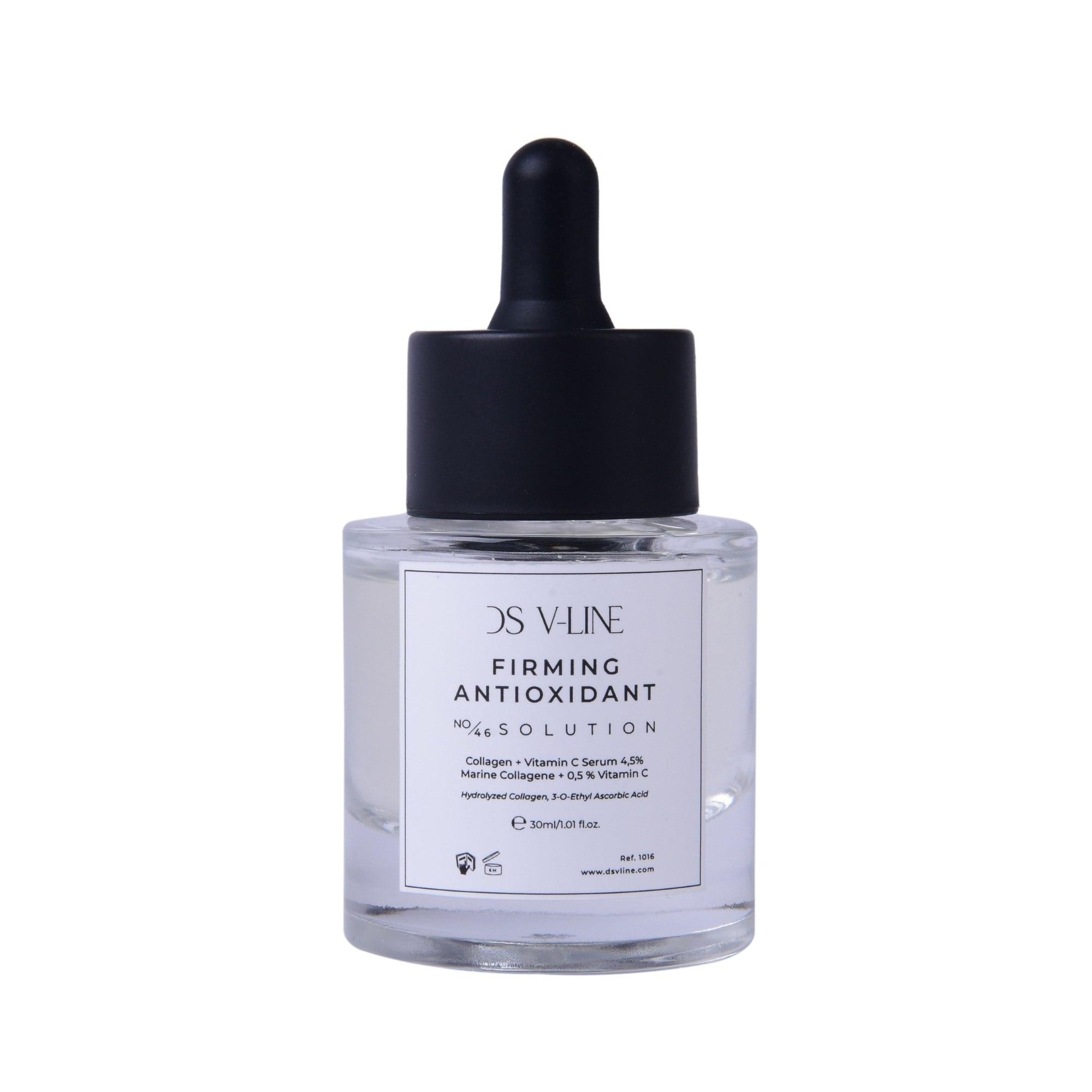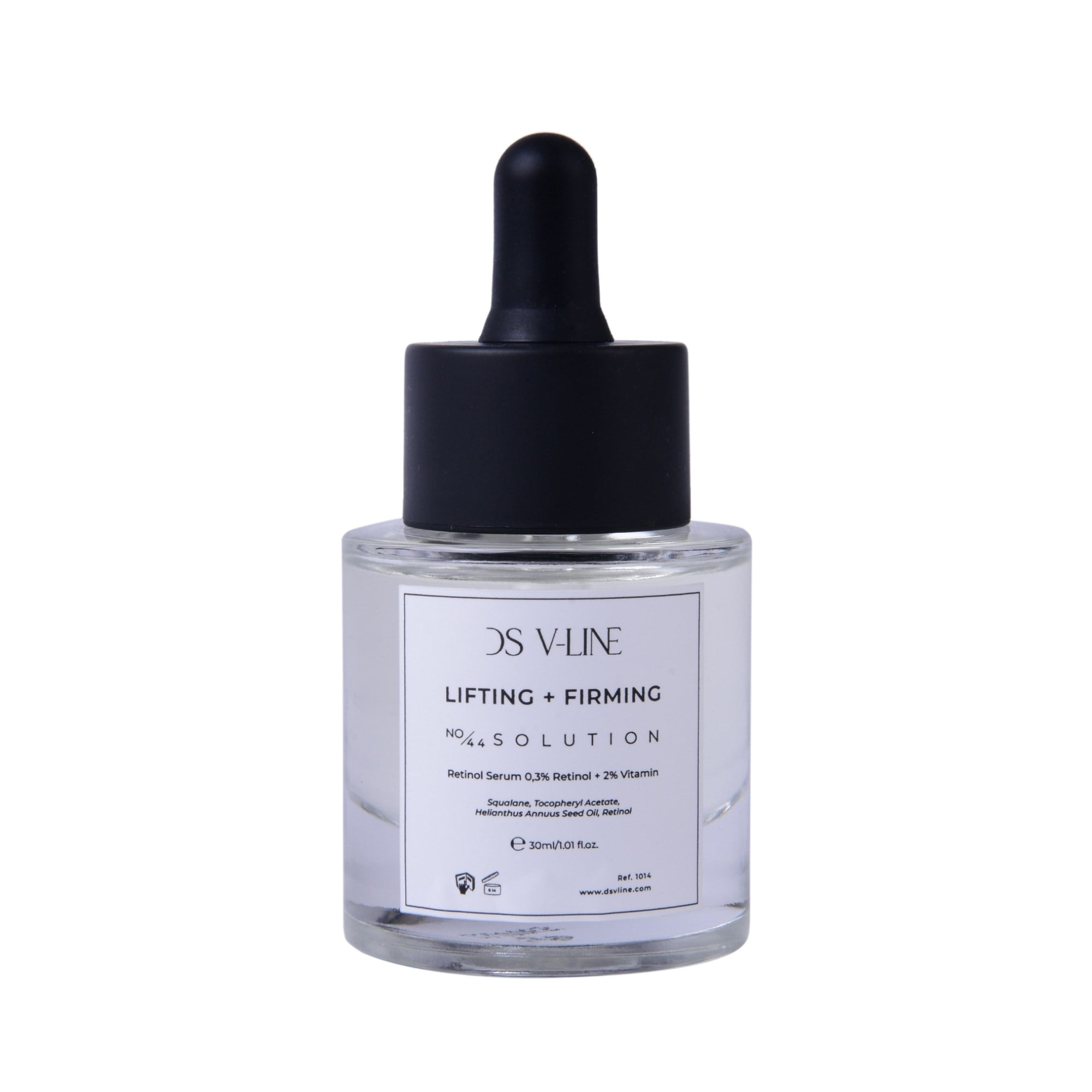

Hyaluronic acid and niacinamide are two skincare ingredients you will find in countless serums, moisturizers and routines — but they do very different jobs. Hyaluronic acid is mainly associated with hydration and a plumper-looking complexion, while niacinamide is often chosen for concerns such as uneven-looking skin tone, visible pores and excess oil. So, hyaluronic acid vs. niacinamide: which is better for your skin? There is no universal winner. The better choice depends on what your skin currently needs, and in many routines there is actually room for both.
What Is Hyaluronic Acid?
Hyaluronic acid is a humectant, which means it helps attract and retain water. In skincare, its main role is therefore hydration rather than exfoliation or targeting pigmentation directly. Well-hydrated skin generally looks smoother and plumper, which can also make dehydration lines appear less noticeable. Hyaluronic acid can be particularly useful when skin feels tight, dehydrated or simply lacks the comfortable, supple feeling you want from your skincare routine.
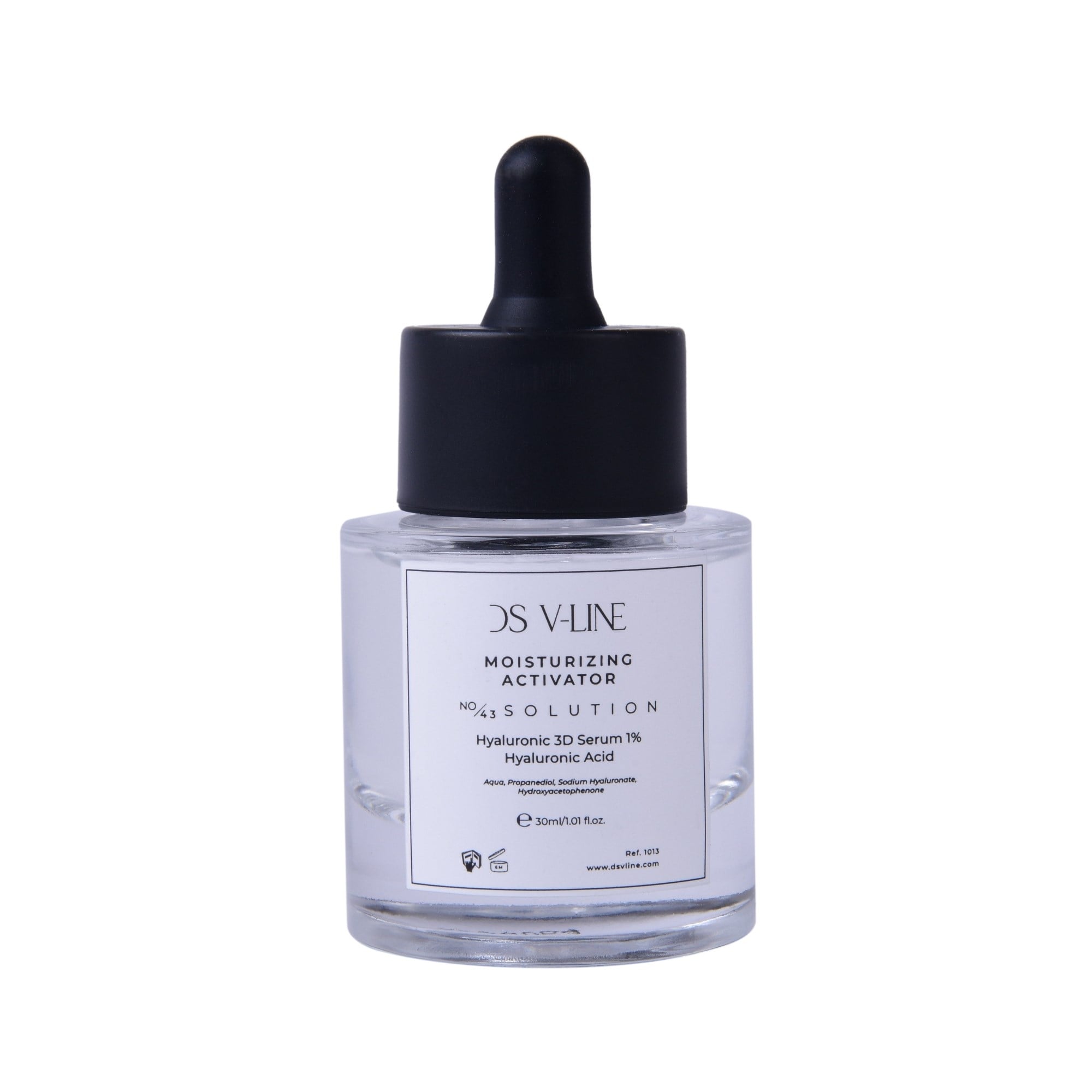
Not all hyaluronic acid products are formulated in exactly the same way. Different molecular weights of hyaluronic acid are commonly combined within skincare formulations to provide hydration at different levels of the skin's surface layers. The DS V-LINE 43 Moisturizing Hyaluronic 3D Serum was developed around this approach, using a combination of hyaluronic acid with different molecular weights. Its lightweight formula is designed to support the skin's moisture balance and create a more hydrated, plump and balanced-looking complexion without a heavy feel.
What Is Niacinamide?
Niacinamide is a form of vitamin B3 and is one of the more versatile ingredients used in modern skincare. While hyaluronic acid is primarily about hydration, niacinamide can be relevant to several different concerns. It is frequently used in routines focused on visible pores, oily-looking skin, uneven skin tone and supporting the skin barrier. This versatility is one reason why niacinamide has become such a popular ingredient for combination and oily skin in particular.
The DS V-LINE 45 Brightening Niacinamide Serum contains 15% niacinamide together with 5% glycolic acid. It is formulated for concerns including uneven-looking skin tone, pigment spots, visible pores and sebum balance. Because this particular formula also contains glycolic acid, however, it should be considered an active treatment rather than treated like a basic niacinamide-only serum.
If you want to learn more about the ingredient itself, our Niacinamide for Skin Guide explains its benefits, how to use it and where it can fit into a skincare routine.
Hyaluronic Acid vs. Niacinamide: The Main Difference
The easiest way to understand the difference is to look at what you want your skincare routine to achieve. Hyaluronic acid is primarily a hydration ingredient, while niacinamide is a multifunctional active used for a broader range of skin concerns. If your skin feels dehydrated, tight or less plump than usual, hyaluronic acid is likely to be the more obvious starting point. If visible pores, excess oil or uneven-looking skin tone are your main concerns, niacinamide may be the more targeted option.
That does not mean hyaluronic acid is only suitable for dry skin or niacinamide only for oily skin. Oily skin can still be dehydrated, and dry skin can still benefit from niacinamide. Skin type and skin condition are not always the same thing. Someone with naturally oily skin, for example, may still experience dehydration and benefit from additional hydration without needing a heavy moisturizer.
| Hyaluronic Acid | Niacinamide | |
|---|---|---|
| Main benefit | Hydration & moisture retention | Balancing & improving skin appearance |
| Best for | Dehydration, tightness, lack of plumpness | Visible pores, excess oil, uneven skin tone |
| Suitable skin types | Dry, oily, combination & sensitive skin | Oily, combination, normal & many dry skin types |
| Skin barrier | Supports hydration and moisture balance | Supports normal skin barrier function |
| Visible pores | No direct targeted effect | Can help improve the appearance of pores |
| Uneven skin tone | Not its primary purpose | Commonly used for uneven-looking skin tone |
| Oily skin | Provides lightweight hydration | Particularly useful for sebum balance |
| Dehydrated skin | Excellent choice | Can complement a hydration-focused routine |
| Can they be combined? | Yes | Yes |
| DS V-LINE product | 43 Moisturizing Hyaluronic 3D Serum | 45 Brightening Niacinamide Serum |
Hyaluronic Acid or Niacinamide for Dry and Dehydrated Skin?
For dehydrated skin, hyaluronic acid would generally be the more direct choice because its primary role in a skincare routine is supporting hydration. Dehydration refers to a lack of water rather than oil, which means it can affect dry, combination and even oily skin. A lightweight hyaluronic acid serum can therefore make sense when your complexion feels tight or looks less plump despite producing enough sebum.
Niacinamide can still have a place in a routine for dry or dehydrated skin, particularly because of its role in supporting normal barrier function. However, the complete formulation matters. In the case of the DS V-LINE 45 Brightening Niacinamide Serum, the additional 5% glycolic acid makes it a more active formula, so it would not be our first choice simply for adding hydration to dry or sensitive-feeling skin.
Hyaluronic Acid or Niacinamide for Oily Skin?
If excess shine, visible pores and sebum balance are the main concerns, niacinamide is usually the more relevant ingredient. This does not mean that oily skin should avoid hyaluronic acid. In fact, trying to remove as much moisture as possible from oily skin can leave a routine unnecessarily harsh. Oily skin still needs hydration, and a lightweight hyaluronic acid product can provide moisture without necessarily adding the heavy feel associated with richer creams.
This is also why the question does not always have to be “hyaluronic acid or niacinamide?” A routine for oily but dehydrated skin may benefit from addressing both concerns rather than choosing an ingredient based solely on whether the skin looks shiny.
Which Is Better for Visible Pores and Uneven Skin Tone?
For these concerns, niacinamide has the clearer advantage. Hyaluronic acid can make the skin appear smoother and plumper through hydration, but it is not primarily an ingredient for targeting excess sebum, visible pores or pigmentation. Niacinamide is much more closely associated with routines designed around a balanced-looking complexion and more even-looking skin tone.
For pigmentation and uneven tone, however, patience matters. Skincare rarely changes the appearance of dark spots overnight, and daily broad-spectrum sun protection is particularly important when pigmentation is a concern. This becomes even more relevant when using exfoliating ingredients such as glycolic acid.
Can You Use Hyaluronic Acid and Niacinamide Together?
Yes, hyaluronic acid and niacinamide can generally be part of the same skincare routine. They are not competing ingredients: hyaluronic acid primarily supports hydration, while niacinamide offers complementary benefits for the appearance and function of the skin.
However, there is an important distinction between talking about ingredients in general and talking about individual products. A simple hyaluronic acid serum and a simple niacinamide serum may be straightforward to combine, but the DS V-LINE 45 Brightening Niacinamide Serum also contains 5% glycolic acid. Your routine therefore needs to take that exfoliating active into account. More active ingredients do not automatically produce better results, particularly if your skin is already dry, sensitive or showing signs of an impaired barrier.
Which Should You Apply First: Hyaluronic Acid or Niacinamide?
There is no universal rule saying that hyaluronic acid must always come before niacinamide. The texture and formulation of the individual products are often more useful guides than the ingredient names alone. A common approach is to apply lighter, more fluid products before richer products and allow each step to absorb before continuing.
When using the DS V-LINE products specifically, follow the individual usage instructions rather than building a routine based only on generic layering advice. The 43 Moisturizing Hyaluronic 3D Serum can be incorporated as a hydration-focused step, while the 45 Brightening Niacinamide Serum, due to its combination with glycolic acid, should be treated as a targeted active product.
So, Which One Is Better for Your Skin?
If hydration, tightness or a less plump-looking complexion is your main concern, start with hyaluronic acid. If you are more concerned about visible pores, uneven-looking skin tone, pigmentation or sebum balance, niacinamide is likely to be the more relevant ingredient. If your skin experiences a combination of these concerns, you do not necessarily need to choose one over the other.
The most effective skincare routine is rarely the one with the longest ingredient list. It is the one that addresses what your skin actually needs while remaining consistent and tolerable. Instead of asking which ingredient is universally better, ask what problem you are trying to solve. That usually makes the choice between hyaluronic acid and niacinamide much easier.
DSVLINE Tip
If your skin is both oily and dehydrated, don't assume that adding more oil-control products is always the answer. Focus on restoring adequate hydration while addressing excess sebum and visible pores separately. Introduce active products gradually, pay attention to how your skin responds and finish your morning routine with broad-spectrum sunscreen.
Frequently Asked Questions About Hyaluronic Acid and Niacinamide
Is hyaluronic acid or niacinamide better for dry skin?
Hyaluronic acid is generally the more direct choice when dehydration is the primary concern because it is used mainly to support skin hydration. Niacinamide can still complement a balanced routine, depending on the overall formulation.
Is niacinamide or hyaluronic acid better for oily skin?
Niacinamide may be more useful when excess sebum and visible pores are your main concerns. Hyaluronic acid can still be beneficial because oily skin can also be dehydrated.
Can I use hyaluronic acid and niacinamide every day?
Both ingredients are commonly found in daily skincare products, but frequency ultimately depends on the complete formulation. Products containing additional active ingredients such as exfoliating acids may require a different approach.
Can I use hyaluronic acid before niacinamide?
They can generally be used within the same routine. Rather than relying on a strict ingredient rule, consider the formulation and texture of your products and follow their individual application instructions.
Do I need both hyaluronic acid and niacinamide?
Not necessarily. If hydration is your main concern, a hyaluronic acid product may be enough. If your priorities include visible pores, oiliness or uneven-looking skin tone, niacinamide may be more relevant. Using both can make sense when your skin has multiple needs.