
Retinol and Niacinamide: Order, How to Use Them & Common Mistakes
Retinol and niacinamide are two of the most popular ingredients in modern skincare — and for good reason. Retinol is commonly used to support skin renewal and improve the appearance of fine lines, uneven texture and enlarged pores, while niacinamide can help support the skin barrier, balance the appearance of excess sebum and promote a more even-looking complexion. But can you use retinol and niacinamide together? Should niacinamide come before or after retinol? And can combining both ingredients make your skincare routine too strong? The answer depends not only on the ingredients themselves, but also on the complete formulas you are using.
Can You Use Retinol and Niacinamide Together?
In general, retinol and niacinamide can be used within the same skincare routine. They work in different ways and can complement each other particularly well in routines focused on uneven texture, visible pores, fine lines and an unbalanced complexion. Niacinamide is also frequently used in skincare routines designed to support the skin barrier, which can be helpful when introducing retinol. Retinol can sometimes cause temporary dryness, flaking or sensitivity, especially when you are new to the ingredient or use it too frequently. However, there is one important detail: not every niacinamide serum is simply a niacinamide serum.
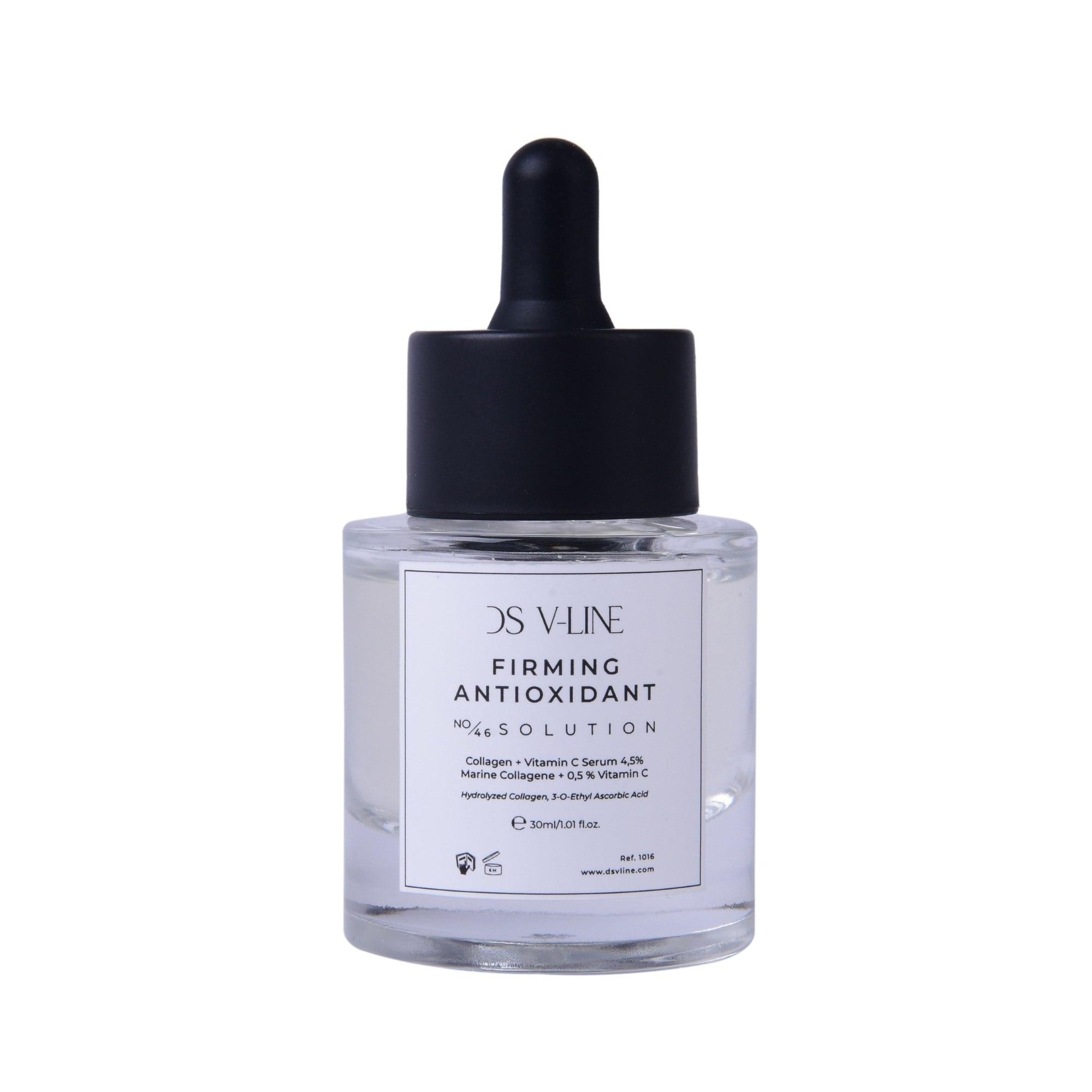
The DS V-LINE 45 Brightening Niacinamide Serum contains 15% niacinamide as well as 5% glycolic acid. Glycolic acid is an exfoliating alpha hydroxy acid, or AHA. Because the formula already combines two active ingredients, we recommend using it on separate evenings from retinol rather than layering both intensive treatments in the same routine.
Niacinamide Before or After Retinol?
If you are using a simple niacinamide serum without exfoliating acids, both ingredients can generally be incorporated into the same routine. The exact order will usually depend on the texture and formulation of the products. A common skincare rule is to apply products from lighter to richer textures: cleanse first, apply lightweight serums, then treatments and finally moisturizer. But when it comes to the specific DS V-LINE formulas, there is no need to worry about whether niacinamide should go before or after retinol. A simpler approach is to alternate treatment nights.
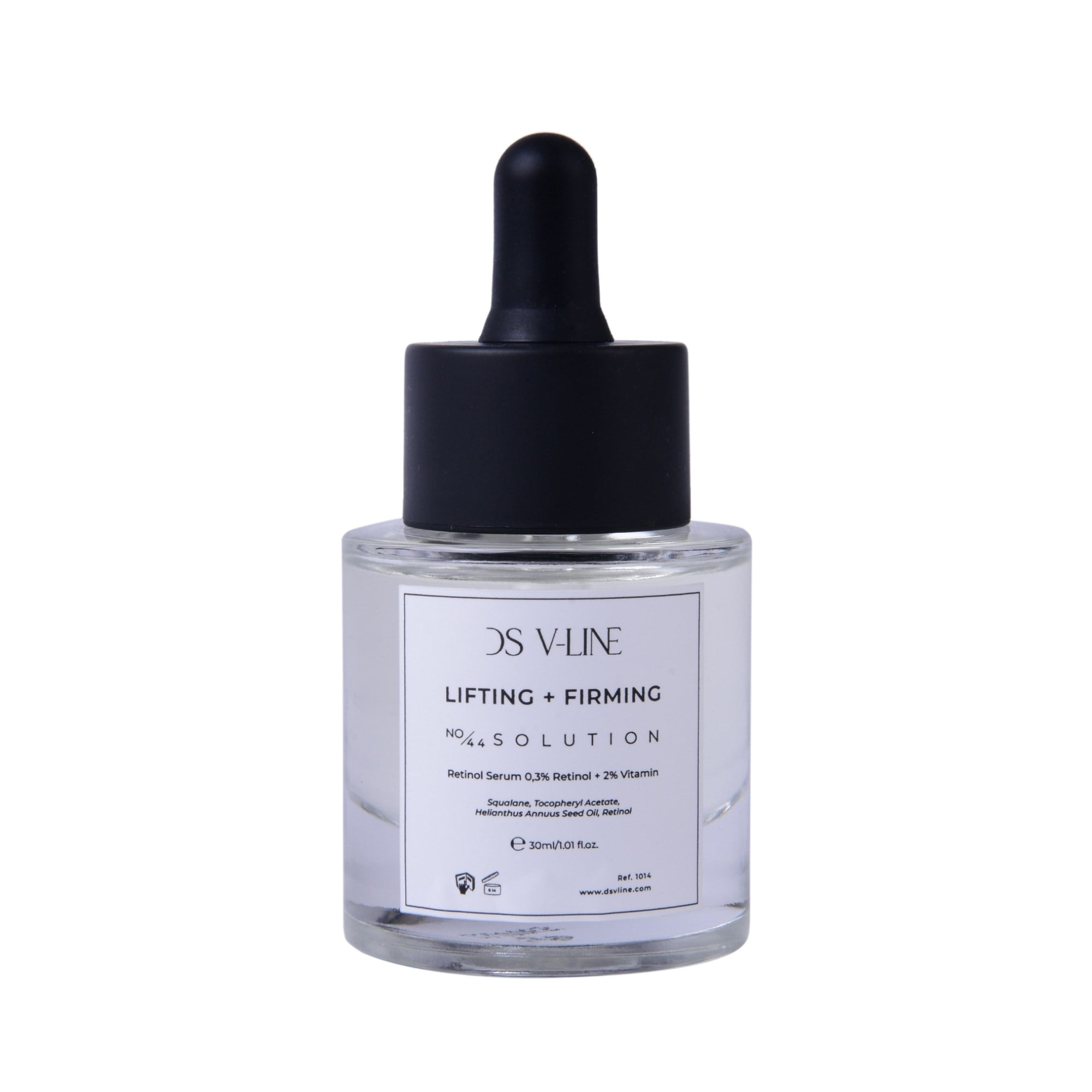
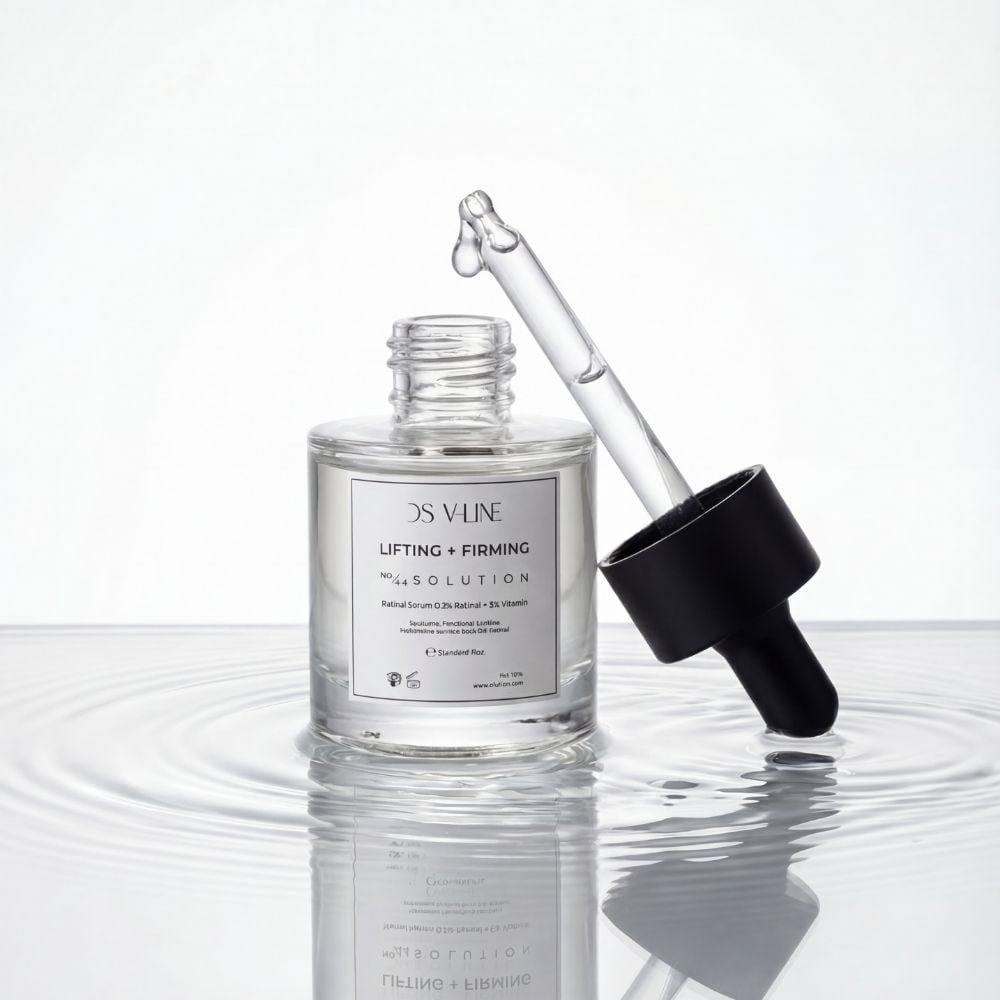
Use the DS V-LINE 44 Regenerating Retinol Serum on dedicated retinol evenings and the DS V-LINE 45 Brightening Niacinamide Serum on separate evenings. This allows each product to have a clearly defined role in your weekly routine while avoiding unnecessary layering of retinol and glycolic acid.
How to Use Retinol and Niacinamide in Your Weekly Routine
When introducing active ingredients, consistency is usually more important than using them every single day. If you are new to retinol, start slowly. The DS V-LINE Regenerating Retinol Serum can initially be introduced two or three evenings per week. Apply it to clean, dry skin and follow with a moisturizer. On other evenings, you can use the DS V-LINE Brightening Niacinamide Serum as your targeted treatment.
Your week could look something like this:
Monday: Retinol
Tuesday: Hydration and barrier care
Wednesday: Niacinamide + glycolic acid
Thursday: Hydration and barrier care
Friday: Retinol
Saturday: Hydration or niacinamide treatment
Sunday: Simple barrier-focused routine
You do not need to follow this exact schedule. Your skin type, tolerance and previous experience with active ingredients should determine how often you use them. If your skin starts to feel dry or stressed, simplify your routine and focus on hydration. The DS V-LINE SucraEx Barrier Repair Cream can be incorporated as your moisturizing step when your skin needs additional barrier-focused care.
What Skin Types Can Benefit From Retinol and Niacinamide?
Both ingredients can be useful for several skin concerns. Retinol may be particularly interesting if your skincare goals include the appearance of:
-
fine lines
-
uneven skin texture
-
enlarged pores
-
dull-looking skin
-
signs of premature skin aging
Niacinamide is commonly used in routines targeting:
-
visible pores
-
excess sebum
-
uneven-looking skin tone
-
weakened skin barrier
-
blemish-prone skin
This does not mean that every skin type should use high-strength active ingredients frequently. Sensitive or easily irritated skin may require a much slower introduction. The goal should never be to use as many active ingredients as possible. A good skincare routine is one your skin can tolerate consistently.
Can Beginners Use Retinol and Niacinamide?
Yes, but beginners should avoid introducing several active products at the same time. If you have never used retinol before, start with retinol alone rather than beginning retinol, exfoliating acids and several other treatments in the same week. This makes it easier to understand how your skin responds.
Introduce the DS V-LINE Regenerating Retinol Serum gradually and pay attention to dryness, sensitivity or flaking. Once your skin is comfortable with the routine, other treatment products can be incorporated on separate days. A simple routine is often better than a complicated one.
Common Mistakes When Combining Retinol and Niacinamide
One of the biggest skincare mistakes is assuming that more active ingredients automatically produce faster results. Using retinol every evening from day one, layering multiple exfoliating acids, applying several strong serums at once or continuing despite persistent irritation can make your routine unnecessarily aggressive. Another common mistake is focusing only on the ingredient name on the front of a product.
For example, two products may both be described as niacinamide serums while having completely different formulas. One may contain only niacinamide and hydrating ingredients, while another, such as the DS V-LINE 45 Serum, also contains glycolic acid. This is why the full formulation matters when deciding which products should be used together. You should also avoid changing your routine too quickly. If you introduce three new products at once and your skin becomes irritated, it becomes difficult to identify which product caused the reaction.
Signs Your Routine May Be Too Strong
A little temporary dryness can occur when introducing retinol, but persistent irritation should not simply be ignored.
Your routine may be too intensive if your skin develops:
-
persistent burning or stinging
-
increased redness
-
pronounced flaking
-
uncomfortable tightness
-
unusual sensitivity to products
-
sudden roughness or irritation
If this happens, reduce the frequency of active treatments and return to a simpler routine focused on gentle cleansing, hydration and barrier support. Trying to “push through” irritation is rarely a good skincare strategy.
What Should You Avoid Mixing With Retinol?
The answer depends heavily on your individual skin and the exact product formulations, but beginners should generally be cautious about combining retinol with several strong exfoliating products in the same routine. This includes products containing higher concentrations of glycolic acid, salicylic acid or other exfoliating acids. That does not mean these ingredients can never exist in the same overall skincare routine. They can often be used successfully on different days.
For example, rather than layering the DS V-LINE Retinol Serum with the glycolic-acid-containing DS V-LINE Niacinamide Serum on the same evening, alternate them throughout the week.
What Does a Simple Morning and Evening Routine Look Like?
Your skincare routine does not need ten steps. A simple morning routine can look like:
Gentle cleansing → hydrating serum if needed → moisturizer → sunscreen
Your evening routine on a retinol night can look like:
Gentle cleansing → 44 Regenerating Retinol Serum → moisturizer
On a niacinamide treatment night:
Gentle cleansing → 45 Brightening Niacinamide Serum → moisturizer
And on recovery evenings:
Gentle cleansing → hydration → barrier-supporting moisturizer
These recovery nights can be especially useful when you regularly use active ingredients.
Don’t Forget SPF
Daily sun protection is especially important when your routine includes retinol or exfoliating acids. Apply a broad-spectrum sunscreen every morning as the final step of your skincare routine. The DS V-LINE Lumea SPF50 Sunscreen Cream can be used as the final step before makeup or before heading outside. Sunscreen should not be treated as an optional addition to an active skincare routine. Consistent UV protection helps protect the skin from environmental stress and is particularly important when working on the appearance of uneven tone, fine lines and other visible signs of skin aging.
Frequently Asked Questions About Retinol and Niacinamide
Can I use niacinamide and retinol every day?
This depends on your skin tolerance and the products you are using. Retinol beginners should usually introduce the ingredient gradually rather than immediately using it every night. If your niacinamide product also contains exfoliating acids, using the products on separate evenings may be the better approach.
Should I use niacinamide before or after retinol?
With a basic niacinamide serum, product texture and formulation usually determine the order. With DS V-LINE's 45 Brightening Niacinamide Serum, which also contains glycolic acid, we recommend alternating it with retinol instead of applying both during the same evening routine.
Can I use retinol and niacinamide if I have sensitive skin?
Sensitive skin can still use active ingredients, but introducing them slowly is particularly important. Start with a simple routine, use active treatments less frequently and reduce usage if persistent irritation develops.
How often should beginners use retinol?
Starting with two or three evenings per week gives your skin time to adjust. Frequency can then be adapted depending on how well your skin tolerates the product.
The Bottom Line
Retinol and niacinamide can both be valuable additions to a well-structured skincare routine, but how you combine them depends on the complete product formulas.
With DS V-LINE, the simplest approach is to use the DS V-LINE Regenerating Retinol Serum and DS V-LINE Brightening Niacinamide Serum on different evenings because the niacinamide formula also contains glycolic acid. Rather than trying to fit every active ingredient into the same routine, focus on consistency, hydration, sun protection and giving your skin enough time to adjust. Sometimes the most effective skincare routine is not the one with the most products. It is the one your skin can comfortably follow over time.