
Dull skin can be difficult to describe. Your skin may not necessarily feel dry or irritated, yet your complexion looks tired, flat or simply less radiant than usual. Makeup may not sit quite as well, the skin can appear rougher and the natural glow you expect after cleansing seems to be missing. The good news is that dull-looking skin is often influenced by everyday factors such as dehydration, dead skin cells, sun exposure or an overly complicated skincare routine.
There is also no single product that makes every complexion look brighter overnight. The most effective approach starts with understanding why your skin looks dull in the first place and then choosing skincare that addresses that particular cause.
What Does Dull Skin Look Like?
Dull skin usually describes a complexion that appears less bright, fresh or even than usual. It may look tired, slightly grey or uneven, and it is often accompanied by rough texture or a lack of visible smoothness. Some people notice dullness across the entire face, while others see it mainly around areas where the skin is dehydrated, textured or uneven in tone.
Importantly, dullness is not a skin type. Dry, oily, combination and normal skin can all look dull at times. This is why simply buying a product labelled “for glowing skin” does not necessarily address what your skin actually needs.
7 Common Causes of Dull-Looking Skin
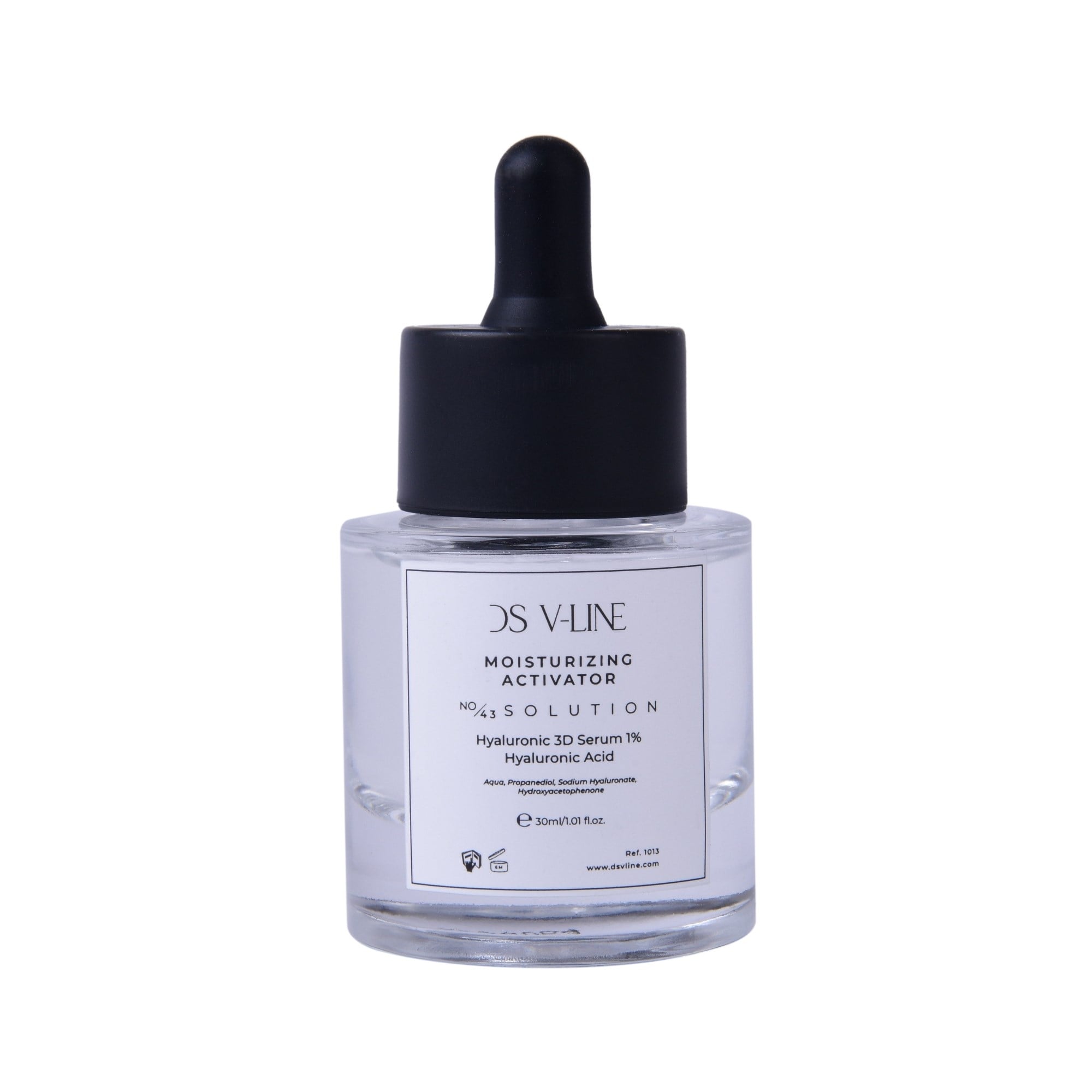
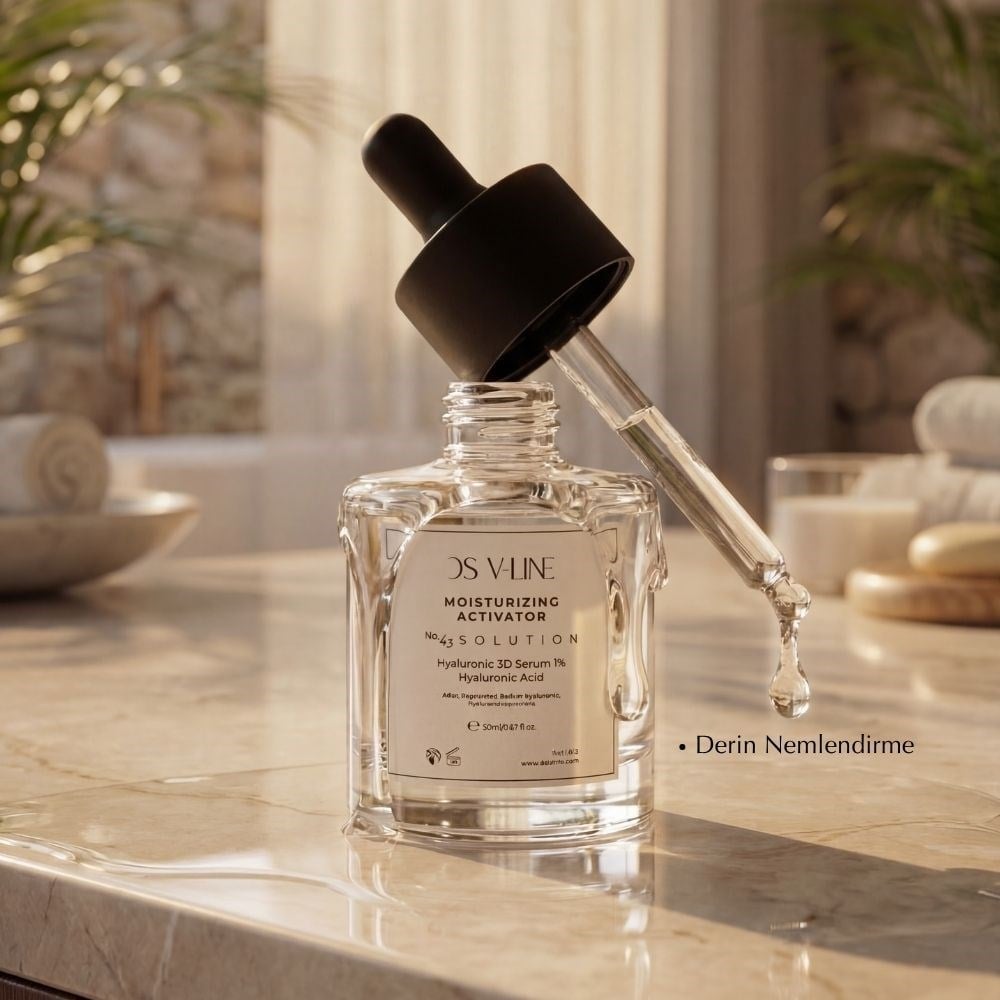
1. Your skin is dehydrated. When the skin lacks sufficient moisture, its surface can appear less plump and smooth, which can make the complexion look flatter and less radiant. Dehydration can affect every skin type, including oily skin, so producing plenty of sebum does not necessarily mean your skin has enough water. If dehydration is the main issue, a hydration-focused serum such as the DS V-LINE 43 Moisturizing Hyaluronic 3D Serum can be incorporated into the routine. It uses hyaluronic acid with varying molecular weights and is designed to support the skin's moisture balance without leaving a heavy feeling.
2. Dead skin cells are building up on the surface. The skin naturally renews itself, but dead surface cells can contribute to a rougher, less refined appearance. This is one reason exfoliation can make the complexion appear smoother and brighter. However, more exfoliation is not automatically better. For combination and oily skin where dullness occurs together with rough texture, clogged pores or blackheads, the DS V-LINE Deep Peeling Serum combines 10% AHA and 2% BHA to help remove dead surface cells and cleanse pores. It is a dedicated peeling treatment rather than an everyday serum, so it should be used according to its specific instructions.
3. Sun exposure is affecting the appearance of your complexion. UV exposure does more than cause sunburn. Over time, it can contribute to uneven pigmentation and visible signs of premature skin ageing, both of which can make the complexion appear less even and radiant. This is why daily sun protection is an important part of a brightening skincare routine, not just something to use at the beach. The DS V-LINE Lumea SPF50 Sunscreen Cream provides broad-spectrum SPF 50+ protection against UVA and UVB rays and is designed for all skin types.
4. Your skin tone is becoming uneven. Sometimes what looks like general dullness is actually a combination of uneven-looking skin tone, dark spots and areas that reflect light differently. In this situation, hydration alone may not address your main concern. Vitamin C is commonly incorporated into routines focused on radiance and a more even-looking complexion. The DS V-LINE Brightening Vitamin C Serum contains 10% stabilized vitamin C and is designed to support brighter, more even-looking skin while providing antioxidant support against environmental factors.
5. Your skin barrier may be under stress. If dullness appears together with tightness, dryness, roughness or increased sensitivity, it is worth looking beyond brightening ingredients. A stressed skin barrier can have difficulty maintaining moisture, which may leave the skin looking and feeling less smooth and comfortable. Instead of adding another strong active ingredient, a simpler barrier-focused routine may make more sense. The DS V-LINE SucraEx Barrier Repair Cream was developed to support the skin barrier while providing moisturizing care, particularly when the skin needs additional hydration and comfort.
6. Your skincare routine may be too aggressive. It is easy to assume that dull skin needs more exfoliation, more retinol or another active serum. Sometimes the opposite is true. Frequent exfoliation, strong cleansers and several intensive treatments used together can leave the skin feeling dry, rough or sensitive. If your complexion started looking worse after adding several new products, consider simplifying your routine before adding something else. Gentle cleansing, hydration, moisturizing care and daytime SPF can provide a much better foundation for targeted skincare.
7. Lifestyle and environmental factors can affect how your skin looks. Your skincare routine is only one part of the picture. Changes in sleep, stress, weather, dry indoor air and environmental exposure can influence how fresh or tired your complexion appears. This does not mean a serum can compensate for every lifestyle factor, but it does explain why your skin may look different even when you have not changed a single product.
How Can You Make Dull Skin Look Brighter?
Start with the cause rather than immediately adding several brightening products. If your skin looks dull because it feels dehydrated and tight, prioritize hydration. If rough texture and dead surface cells are the main issue, carefully introduced exfoliation may be more relevant. If the complexion looks uneven or lacks radiance, vitamin C can provide a targeted brightening step. And if the skin is simultaneously sensitive, dry and uncomfortable, barrier-focused care may deserve priority before stronger active ingredients.
This also means you do not need to use every DS V-LINE product mentioned in this guide at the same time. The goal is to identify what your skin currently needs and build a routine around that.
Is Vitamin C Good for Dull Skin?
Vitamin C is one of the most relevant skincare ingredients when the goal is a brighter and more even-looking complexion. Its antioxidant properties also make it particularly suitable for a morning routine, where it can complement – but never replace – sunscreen.
The DS V-LINE Brightening Vitamin C Serum can be applied to cleansed skin before moisturizer and SPF. Its 10% stabilized vitamin C formula is specifically positioned around brightness, more even-looking skin tone and antioxidant support. If you want to understand the ingredient in more detail, the DS V-LINE Vitamin C guide covers its role in skincare separately.
Should You Exfoliate Dull Skin?
Exfoliation can help when dullness is associated with a buildup of dead surface cells, rough texture or clogged pores. The important part is not to confuse effective exfoliation with frequent exfoliation. A strong exfoliating treatment does not need to be used every day.
The DS V-LINE Deep Peeling Serum, for example, contains an AHA complex together with salicylic acid (BHA) and is intended as a dedicated evening peeling treatment. According to its current application instructions, it is applied to clean, dry skin, left on for a maximum of 10 minutes and then thoroughly rinsed.
If your skin already feels sensitive, tight or irritated, introducing more exfoliation may not be the first change to make. Addressing hydration and skin-barrier comfort can be more appropriate before returning to stronger treatments.
Does Hydration Make Skin Look More Radiant?
Hydration does not “brighten” pigmentation in the same way that a targeted brightening routine aims to improve uneven-looking tone, but properly hydrated skin can appear smoother, plumper and more refreshed. This is why hydration should not be overlooked simply because your main goal is glow.
For dehydrated skin, the DS V-LINE 43 Moisturizing Hyaluronic 3D Serum provides a lightweight hydration-focused serum step. It can be followed with an appropriate moisturizer to help maintain a comfortable skin feel.
A Simple Skincare Routine for Dull-Looking Skin
You do not need a complicated routine to make dull-looking skin a priority. A sensible starting point is to keep the basic structure consistent and choose the targeted step according to your skin.
Morning: Gentle Cleanser → DS V-LINE Brightening Vitamin C Serum or hydrating serum → Moisturizer → Lumea SPF50 Sunscreen Cream
Evening: Gentle Cleanser → Hydrating or targeted treatment → Moisturizer
Selected exfoliation evenings: Cleanser → DS V-LINE Deep Peeling Serum according to its instructions → simple moisturizing care
The exact routine depends on your skin type and the products you already use. In particular, avoid turning every evening into an intensive treatment night. If your skin feels stressed, dry or unusually sensitive, temporarily simplifying the routine and focusing on hydration and barrier support can be more useful than adding another exfoliating step.
How Long Does It Take for Dull Skin to Look Brighter?
There is no universal timeline because dull-looking skin can have different causes. Dehydration may influence how the skin looks and feels relatively quickly once the routine is adjusted, while visible unevenness, pigmentation or changes in texture generally require more consistent care over time.
Instead of evaluating a product after only a few applications, pay attention to how your skin responds over a longer period and avoid changing several products simultaneously. Consistency also makes it easier to understand which part of your routine is actually helping.
When Is Dull Skin More Than a Skincare Issue?
Dull-looking skin is usually discussed as a cosmetic concern, but skincare cannot explain every change in your appearance. If you notice a sudden or persistent change in your skin together with other unusual symptoms, or if an individual pigmented area changes in size, shape or color, professional medical assessment is more appropriate than simply adding another skincare product.
FAQ: Dull-Looking Skin
Why does my skin look dull even when I moisturize?
Moisturizer addresses only one part of your routine. Your complexion may still look dull because of dehydration, dead surface cells, uneven-looking skin tone, sun exposure or other factors. Consider how your skin feels and looks rather than assuming it simply needs a richer cream.
How can I make my face look less dull?
Start with consistent cleansing, hydration, moisturizing care and daily sun protection. You can then introduce a targeted product according to the cause of the dullness, such as vitamin C for radiance and uneven-looking tone or appropriate exfoliation when rough texture and dead surface cells are the main concerns.
Which serum is best for dull skin?
There is no single serum that suits every cause of dullness. For a brighter and more even-looking complexion, the DS V-LINE Brightening Vitamin C Serum is the most directly targeted DS V-LINE option. If your skin primarily looks dull because it is dehydrated, the 43 Moisturizing Hyaluronic 3D Serum may be a more logical starting point.
Can dehydrated skin look dull?
Yes. When skin lacks sufficient moisture, it can appear less plump and smooth. Dehydration can also occur in oily and combination skin, not only in naturally dry skin.
Does exfoliating make skin brighter?
Exfoliation can help improve the appearance of dullness when dead surface cells and rough texture are contributing factors. However, excessive exfoliation can leave the skin dry, uncomfortable or sensitive, so frequency and formulation matter.
Is vitamin C or hyaluronic acid better for dull skin?
They have different roles. Vitamin C is more directly associated with antioxidant care, radiance and a more even-looking complexion, while hyaluronic acid primarily supports hydration. If dullness occurs together with dehydration, hydration may deserve greater attention; if uneven-looking tone is the main concern, a vitamin C-focused routine may be more relevant.
Should I use sunscreen if I want brighter-looking skin?
Yes. UV exposure can contribute to uneven pigmentation and visible signs of premature ageing. Sunscreen therefore remains an important part of a routine focused on maintaining a more even and radiant-looking complexion.