
Your forehead looks shiny by lunchtime, but your cheeks feel tight. You might notice flaky patches around your nose, makeup clinging to dry areas, or a greasy feeling that makes you want to wash your face again. If this sounds familiar, you may be wondering: Why is my skin oily but still feels dry?
The answer is that oil and hydration are not the same thing. Your skin can produce plenty of sebum while still lacking water, and the products you use can sometimes make that uncomfortable combination more noticeable. The solution is not necessarily a stronger cleanser or a richer cream. It is understanding what your skin needs and building a routine that balances excess oil with effective hydration.
Can You Have Oily and Dehydrated Skin at the Same Time?
Yes. Oily skin describes a skin type that produces more sebum, the natural oil that helps protect the skin. Dehydrated skin describes a condition in which the skin lacks sufficient water. Because oil production and water content are different, your face can look shiny while feeling tight, rough or uncomfortable. You might also have combination skin, with an oily T-zone and naturally drier cheeks. These situations can overlap, but they are not identical.
A useful starting point is to notice where and when your skin feels dry. If your forehead and nose are oily but your cheeks are consistently dry, combination skin may be part of the picture. If your entire face feels tight shortly after cleansing, even though it becomes shiny later, your cleansing routine or hydration needs may deserve a closer look.
Why Does Oily Skin Feel Dry and Tight?
1. Your cleanser may be too harsh
When your face feels greasy, washing it until it feels completely oil-free can seem like the obvious answer. But that squeaky-clean feeling is not necessarily a sign of healthy skin. Harsh cleansers, vigorous scrubbing and frequent washing can irritate the skin and leave it feeling tight. A gentle cleanser removes excess oil and daily buildup without making your face feel stripped.
If your skin feels uncomfortable immediately after washing, try a milder cleanser, use lukewarm water and avoid rubbing your face with a towel. Cleansing more aggressively is unlikely to solve a lack of hydration.
2. You may be skipping moisturizer because your skin is oily
It is easy to assume that oily skin does not need moisturizer. After all, why add another product when your face already looks shiny? The problem is that sebum does not replace water or a well-formulated moisturizer. Oily skin can still benefit from moisturizing care, particularly when it feels dry or you use products that can cause irritation.
Instead of avoiding moisturizer altogether, look for a texture that feels comfortable on your skin. A lightweight lotion or gel may suit an oily T-zone, while drier areas may need a little more care. You do not have to apply the same amount of product everywhere.
3. Too many active ingredients may be leaving your skin uncomfortable
Exfoliating acids, retinoids and acne treatments can be useful for specific concerns, but using several strong products too frequently may lead to dryness, flaking or irritation. If your skin looks oily yet stings when you apply skincare, feels unusually sensitive or develops rough patches, adding another exfoliant may make matters worse.
Check your routine for overlapping active ingredients. You may not need an exfoliating toner, an acid serum and a retinol product in the same evening. When your skin feels irritated, simplify your routine and give it time to settle before introducing treatments again.
4. Your skin may need more water, not more oil
If your skin feels tight but becomes shiny throughout the day, focus on hydrating skincare rather than trying to remove every trace of oil. Humectants such as hyaluronic acid help attract and retain water, making them useful ingredients in a routine for dehydrated skin. Follow a hydrating serum with a suitable moisturizer rather than expecting the serum to do every job on its own.
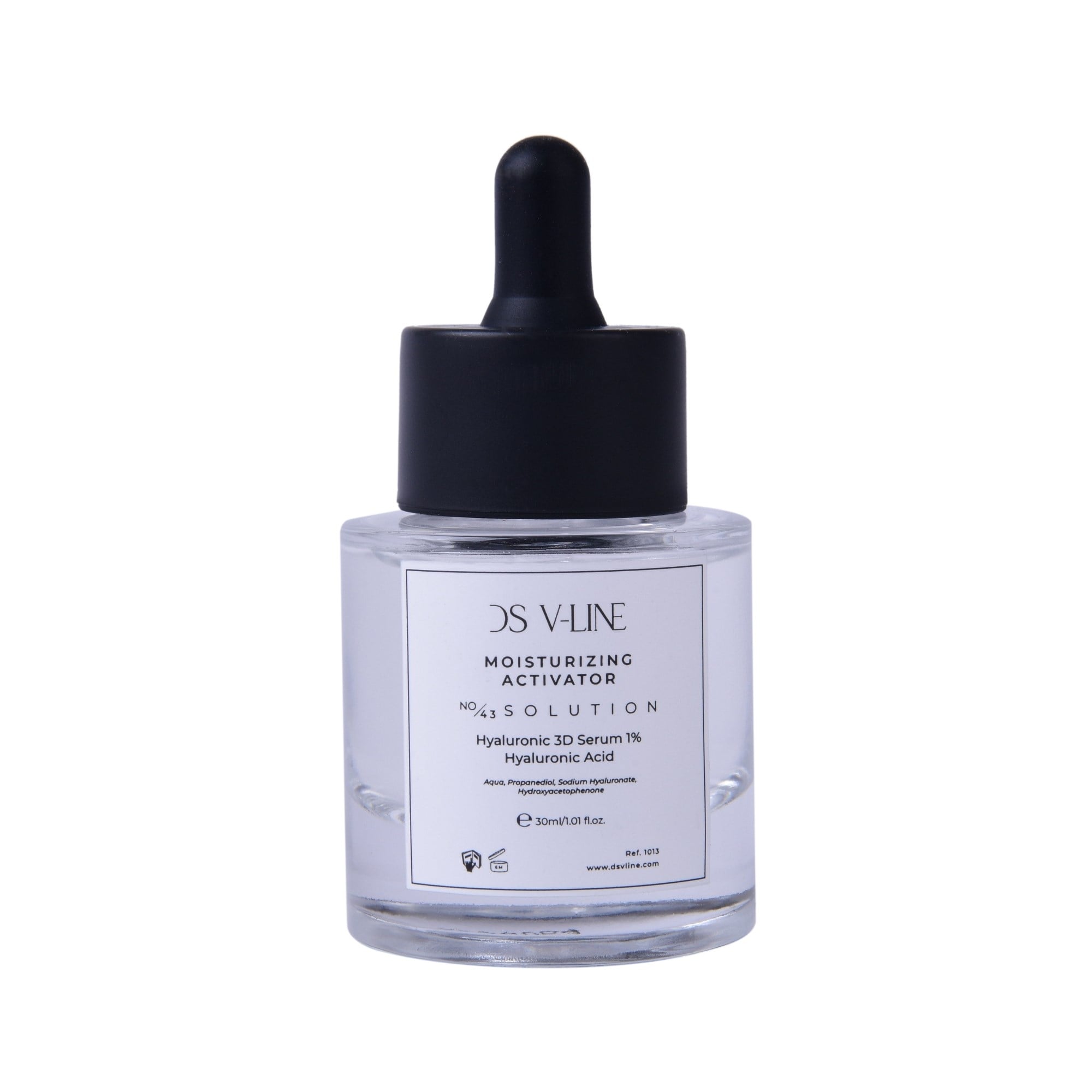
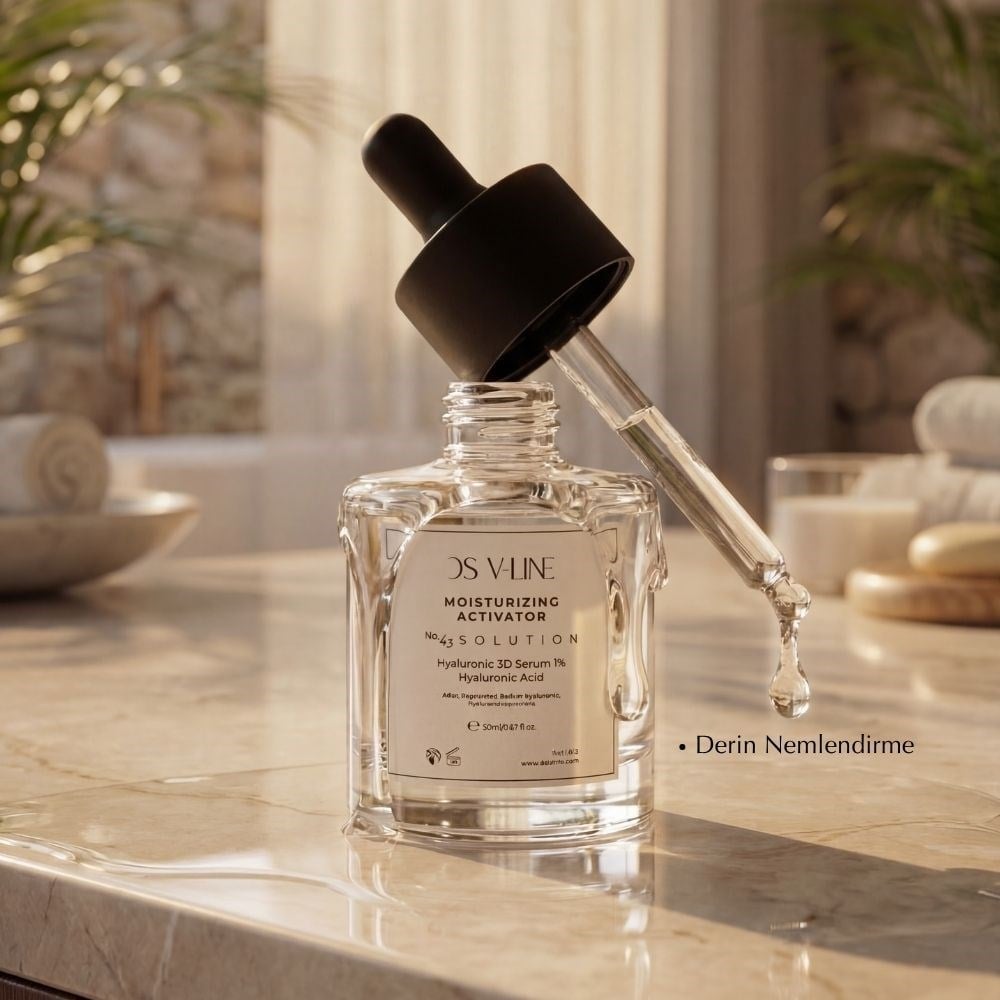
For a hydration-focused step, consider the DS V-LINE Moisturizing Hyaluronic 3D Serum. It can be incorporated before your moisturizer when your skin needs additional hydration. If your T-zone becomes shiny easily, start with a small amount and adjust your routine according to how your skin feels.
5. Your skin barrier may be under stress
Your skin barrier helps limit water loss and protects the skin from everyday irritants. When your skin becomes irritated or excessively dry, you may notice tightness, flaking, stinging or increased sensitivity. This can happen alongside an oily appearance, so shine alone is not a reliable guide to how comfortable or well-hydrated your skin is.
If your skin feels particularly uncomfortable, make barrier-supportive care your priority. The DS V-LINE SucraEx Barrier Repair Cream is an option for a routine focused on moisturizing care and skin-barrier support. Choose the amount and frequency that suit your skin rather than assuming that every oily area needs a heavy layer.
How to Hydrate Oily Skin Without Making It Feel Greasy
The goal is not to eliminate all oil. It is to keep your skin hydrated while managing unwanted shine. Start with gentle cleansing, add hydration where needed and choose a moisturizer you are comfortable using consistently. Products labelled oil-free or non-comedogenic may be worth considering if you are also prone to clogged pores or breakouts.
If excess oil and visible pores remain concerns once your skin feels comfortable, you could consider a targeted product such as the DS V-LINE Brightening Niacinamide Serum. Keep in mind that this formula contains 15% niacinamide and 5% glycolic acid: it is an active treatment, not a basic hydrating serum. Introduce it cautiously, follow the product instructions and avoid piling it onto an already irritating routine. Hydration should come first if your skin currently feels tight, flaky or sensitive.
A Simple Skincare Routine for Oily but Dehydrated Skin
You do not need a complicated routine to care for skin that feels dry and looks oily. Begin with a few consistent steps, then adjust based on whether your skin feels comfortable.
Morning: Cleanse gently if needed, apply the Moisturizing Hyaluronic 3D Serum if your skin needs extra hydration, and follow with a suitable moisturizer. Finish with broad-spectrum sun protection, such as the DS V-LINE Lumea SPF50 Sunscreen Cream. Apply sunscreen generously and reapply as needed when outdoors.
Evening: Remove sunscreen and makeup with a gentle cleanser, then apply a hydrating serum or moisturizer. If your skin feels particularly dry or uncomfortable, consider the SucraEx Barrier Repair Cream as your moisturizing step. Save stronger active treatments for when your skin is comfortable, and introduce them one at a time.
Oily Skin vs. Dehydrated Skin: How Can You Tell the Difference?
| What you notice | What it may suggest |
|---|---|
| Shine across the forehead, nose or face | Higher sebum production |
| Tightness after cleansing | Cleansing may be too harsh, or your skin may need more moisturizing care |
| An oily T-zone with consistently dry cheeks | Combination skin |
| Flaking, stinging or irritation after active products | Your routine may be difficult for your skin to tolerate |
| Shine and tightness at the same time | Oiliness and dehydration may be occurring together |
These observations can help you choose a gentler routine, but they are not a diagnosis. If you have persistent redness, itching, a rash, painful cracking or worsening irritation, seek advice from a dermatologist rather than continuing to experiment with stronger skincare products.
Frequently Asked Questions
Why is my face oily but feels tight after washing?
Your cleanser may be too harsh, or you may be washing or scrubbing your face too aggressively. Try a gentle cleanser and follow with moisturizer. If the tightness continues or comes with stinging and redness, reassess your routine.
Does oily skin need moisturizer?
Yes, oily skin can still need moisturizing care. Choose a texture that suits your preferences and skin concerns; you do not have to use a thick cream across your entire face.
Can dehydrated skin cause more oil?
Dryness and oil production can occur together. However, shine on its own does not prove that your skin is dehydrated, and adding moisturizer will not necessarily eliminate naturally oily skin.
Is hyaluronic acid good for oily but dehydrated skin?
Hyaluronic acid is a useful hydrating ingredient because it helps bind water. It can fit into a routine for oily skin that feels dehydrated, particularly when followed by an appropriate moisturizer.
Should I exfoliate if my skin is oily and flaky?
Not automatically. Flaking may be related to dryness or irritation rather than a need for more exfoliation. If your skin already feels uncomfortable, prioritize gentle cleansing and moisturizing care before considering another exfoliating treatment.
How long does it take for dehydrated skin to feel better?
There is no fixed timeline. Skin that feels tight because of an unsuitable cleanser may become more comfortable after you adjust your routine, while persistent dryness or irritation may need further attention. If symptoms worsen or do not improve, consult a dermatologist.
The Bottom Line
Oily skin can still be dehydrated. A shiny forehead does not mean your skin has all the water it needs, and a tight feeling does not mean you should wash away more oil. Start by making your routine gentler, choose hydration and moisturizing products that feel comfortable, and use targeted treatments only when your skin can tolerate them. The aim is not perfectly matte skin – it is skin that feels balanced and comfortable.