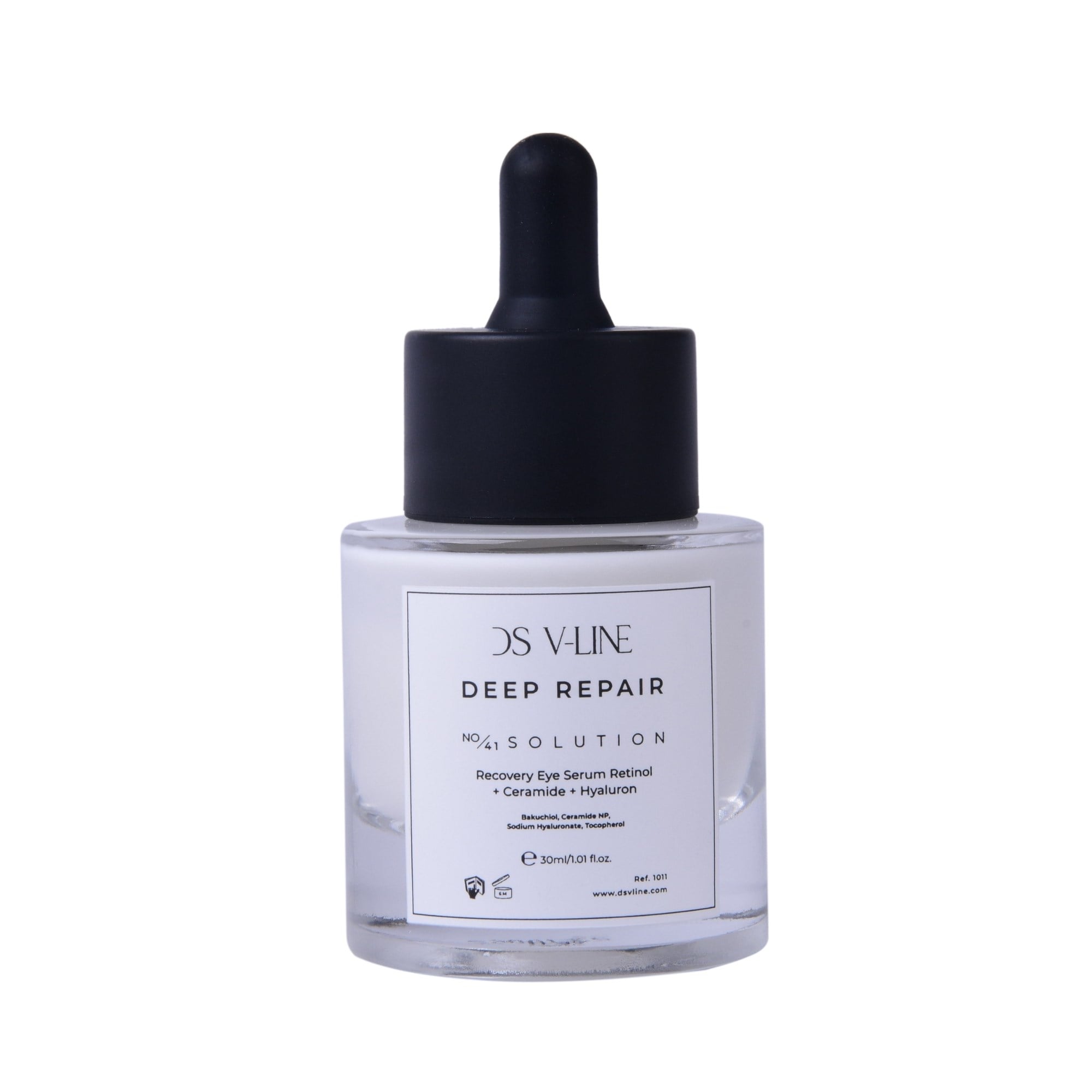

Retinol can be a valuable addition to your skincare routine, especially when you want to improve the appearance of fine lines, uneven texture, and dull-looking skin. But if you have sensitive skin, you may already know that retinol can sometimes leave your face feeling dry, tight, or irritated. That's where the retinol sandwich method comes in. This simple skincare technique uses moisturizer before and after retinol to make the application feel more comfortable and potentially reduce irritation. With products like the DS V-LINE Regenerating Retinol Serum and SucraEx Barrier Repair Cream, you can explore a gentler approach to your evening skincare routine without adding unnecessary steps.
What Is the Retinol Sandwich Method?
The retinol sandwich method is a skincare layering technique where retinol is applied between two layers of moisturizer. Instead of applying retinol directly to freshly cleansed skin and following it with a cream, you start with a thin layer of moisturizer, apply your retinol treatment, and finish with another layer of moisturizer. The idea is simple: the first layer may help buffer the retinol and reduce direct contact with the skin, while the final layer provides additional hydration and comfort. This approach can be particularly appealing if your skin tends to become dry or irritated when using vitamin A skincare products. However, the sandwich method does not eliminate the risk of irritation, and it has not been shown to work equally well with every retinol formulation. A thicker moisturizing layer may also influence how a product spreads or penetrates the skin. That's why it's important to follow the instructions for your specific serum rather than assuming every retinol product should be applied in exactly the same way.
How to Use the Retinol Sandwich Method Step by Step
Step 1: Start with gentle cleansing. Begin your evening routine by removing makeup, sunscreen, and daily impurities using a cleanser your skin already tolerates well. Avoid harsh scrubbing, exfoliating cleansers, or hot water, especially if your skin is easily irritated. Pat your face dry with a soft towel and allow your skin to dry completely before continuing. Applying retinol to damp skin can increase the likelihood of irritation for some people.
Step 2: Apply a thin layer of moisturizer. Choose a simple, well-tolerated moisturizer that focuses on hydration and skin comfort. The DS V-LINE SucraEx Barrier Repair Cream is designed to support the skin barrier and help maintain moisture, making it a relevant option for a barrier-focused skincare routine. Apply a light layer and allow it to settle before moving on. You don't need to use a large amount of cream; the goal is to create a gentle moisturizing base rather than a thick coating.
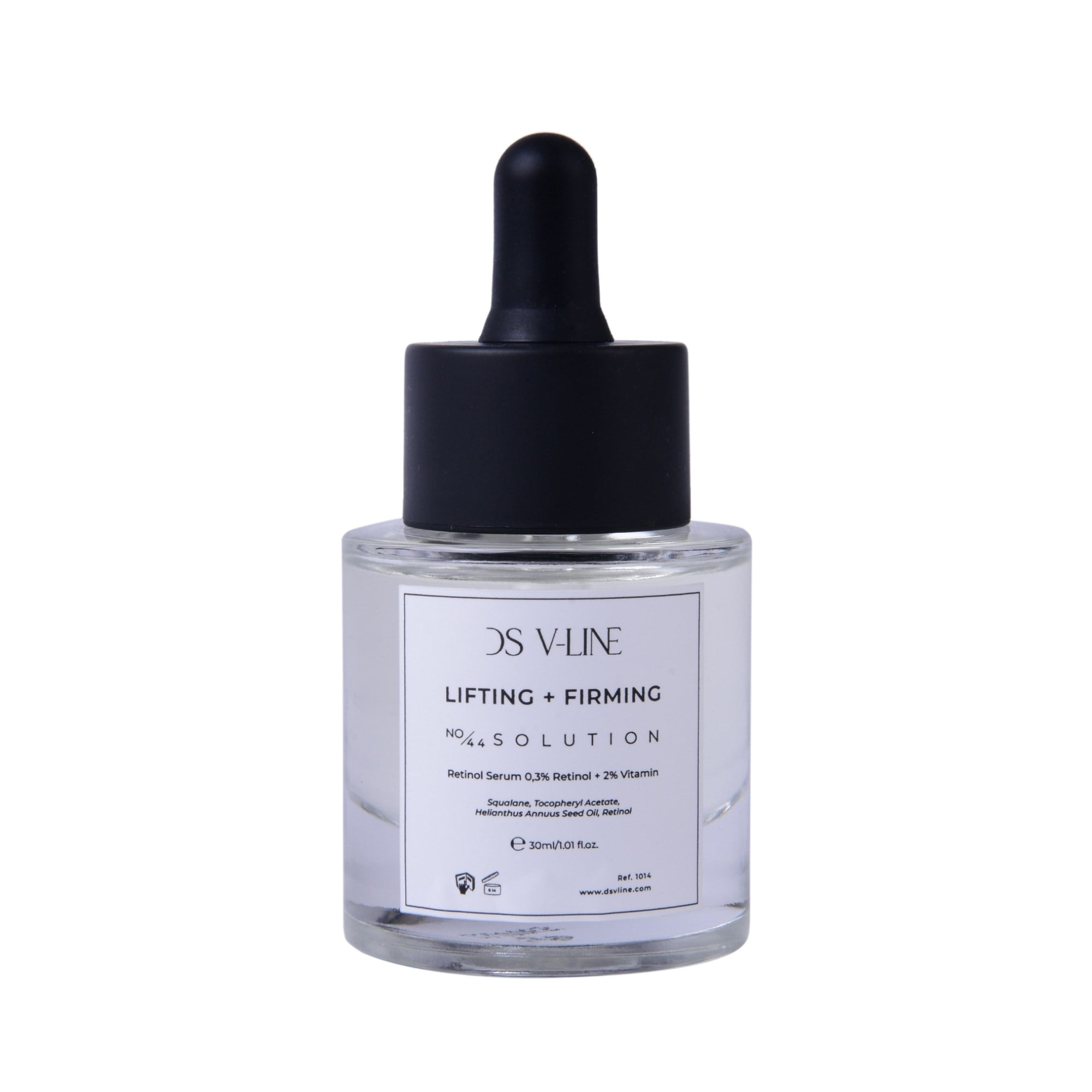
Step 3: Apply your retinol carefully. Once the moisturizer has settled and your skin feels dry, apply a small amount of retinol according to the product instructions. The DS V-LINE Regenerating Retinol Serum contains retinol and vitamin E and is designed for nighttime skincare. Its regular application instructions recommend using the serum on clean, dry skin, followed by moisturizer. Because the sandwich technique changes that order, you should not automatically assume it has been tested with this particular formula. If you want to use it over moisturizer, first check that this approach is compatible with the product's directions. Keep retinol away from the eyelids, corners of the nose, lips, and areas of broken or irritated skin.
Step 4: Finish with another layer of moisturizer. Complete the sandwich by applying another light layer of moisturizer after the retinol has settled. This final step helps maintain hydration and can make your evening routine feel more comfortable. Avoid rubbing your skin aggressively or adding several other active treatments afterwards. Your nighttime routine doesn't need to be complicated to be consistent.
Does the Retinol Sandwich Method Really Reduce Irritation?
The main reason people try the retinol sandwich method is to improve tolerability. Retinol can temporarily cause dryness, peeling, redness, and sensitivity, particularly when it is introduced too quickly or combined with other potentially irritating ingredients. Applying moisturizer around the retinol step may help reduce discomfort, but it is not a guarantee against side effects. Scientific evidence specifically comparing the sandwich method with other application techniques remains limited, and results may depend on the formulation, concentration, moisturizing products, and individual skin response. If you have very reactive skin, the better strategy may be to reduce how often you use retinol rather than simply adding more moisturizer. Start with one or two evenings per week if appropriate for your product, observe your skin's response, and gradually adjust only when your skin remains comfortable. If persistent burning, swelling, pronounced redness, or significant peeling develops, stop using the product and seek advice from a dermatologist.
Common Retinol Sandwich Method Mistakes to Avoid
One common mistake is assuming that adding more moisturizer makes it safe to use a stronger retinol product or apply it every night. Even when your routine feels gentle, retinol still needs to be introduced gradually. Another mistake is combining retinol with strong exfoliating acids, scrubs, or several new active ingredients in the same evening, which can increase irritation and make it difficult to identify the cause. It's also worth remembering that the sandwich method isn't always necessary. If your skin already tolerates retinol well when used according to the manufacturer's instructions, there may be no reason to change your routine. Finally, don't overlook daytime sun protection. When using retinol, consistent sun protection is particularly important. A broad-spectrum product such as the DS V-LINE Lumea SPF50 Sunscreen Cream can be included in your morning routine, alongside sensible sun-avoidance measures and reapplication when needed.
Who Should Consider the Retinol Sandwich Method?
The sandwich method may be worth considering if your skin becomes mildly dry or uncomfortable with retinol, if you are introducing retinol cautiously, or if you prefer a simple routine centered around skin-barrier support. It is not a treatment for damaged skin, and you should avoid applying retinol to actively inflamed, cracked, or severely irritated areas. People with eczema, rosacea, or other ongoing skin conditions should seek individualized guidance before introducing retinol. Retinoids are generally avoided during pregnancy, and anyone who is pregnant, planning pregnancy, or breastfeeding should seek medical advice before using them. Ultimately, the best routine is not the one with the most layers or the strongest ingredients. It is the one your skin can tolerate consistently.
Frequently Asked Questions About the Retinol Sandwich Method
Should I apply moisturizer before or after retinol? In a traditional retinol routine, moisturizer is often applied after retinol. In the sandwich method, moisturizer is applied both before and after. Always check the application instructions for your specific retinol product.
How long should I wait between the layers? There is no universally established waiting time. Allow each layer to settle comfortably and ensure your skin is dry before applying retinol. You do not need to wait a fixed number of minutes unless your product instructions say otherwise.
Does the sandwich method make retinol less effective? Moisturizer applied before retinol may influence how much of the ingredient reaches the skin. However, there is not enough direct evidence to quantify how much the sandwich method changes effectiveness across different formulations.
Can I use the retinol sandwich method every night? Not necessarily. The method does not make daily retinol use appropriate for everyone. Frequency should depend on the product instructions and your skin's tolerance.
Can I use the sandwich method with sensitive skin? It may improve comfort for some people with mildly sensitive skin, but it does not prevent every reaction. If your skin is already significantly irritated or you have an active skin condition, seek professional guidance before using retinol.
Final Thoughts: A More Comfortable Approach to Retinol
The retinol sandwich method is a practical way to think about combining targeted skincare with moisturizing care, particularly if your skin needs a gentler approach. By focusing on appropriate product selection, gradual use, and skin-barrier support, you can create an evening routine that feels manageable rather than overwhelming. Explore the DS V-LINE Regenerating Retinol Serum alongside the SucraEx Barrier Repair Cream to learn more about how targeted retinol care and hydration-focused skincare can fit into your routine. Remember to follow each product's application directions and prioritize long-term skin comfort over rushing visible results.