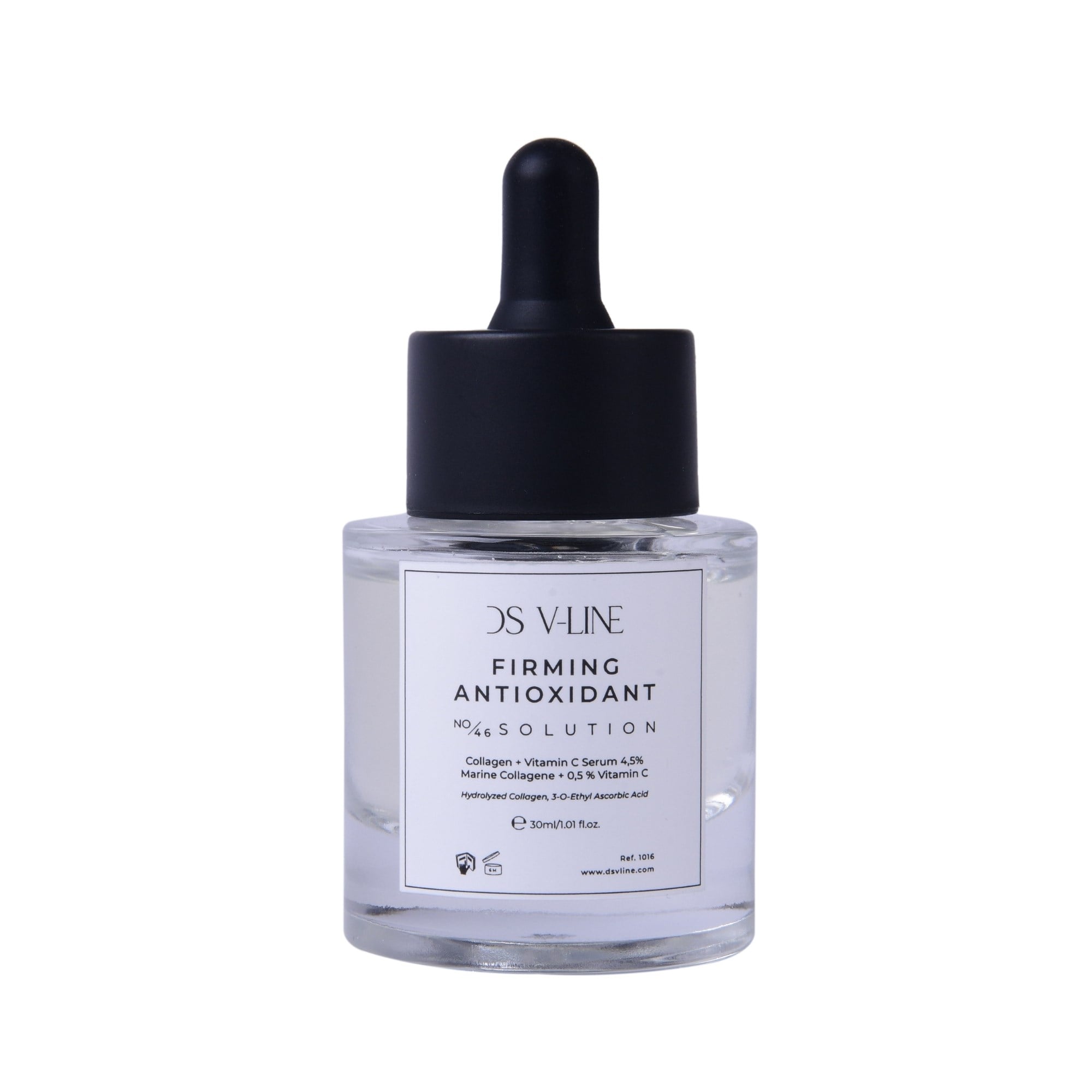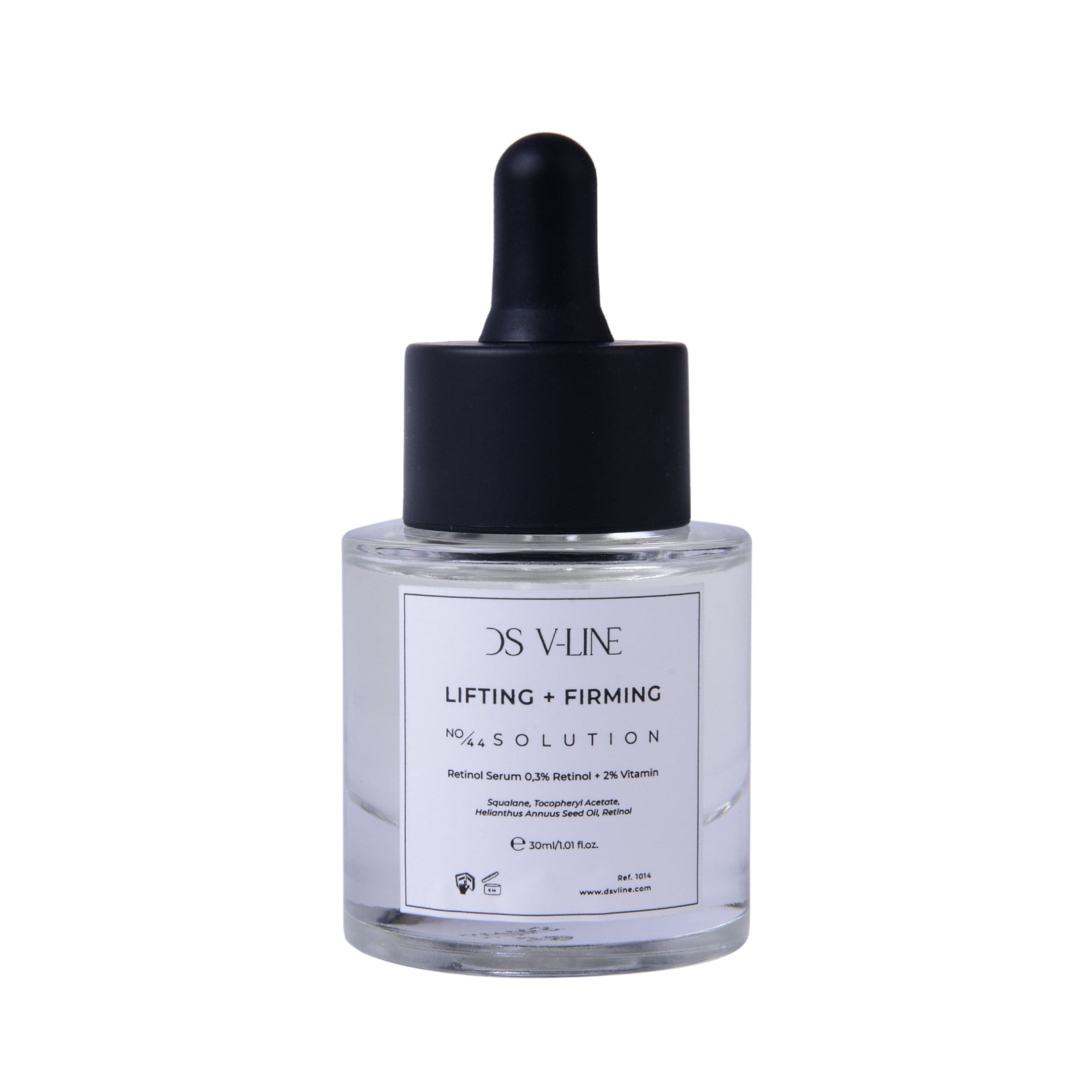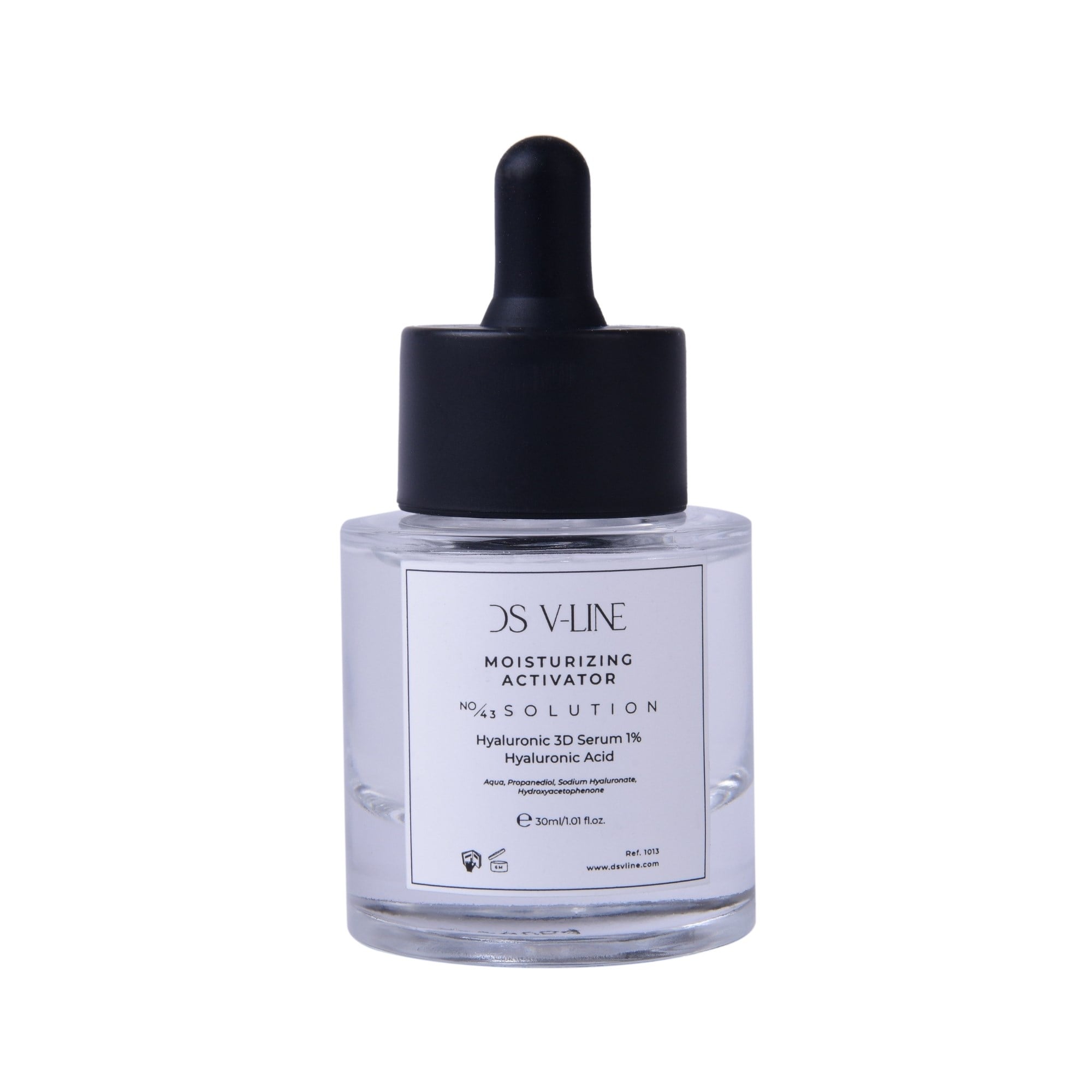

Dark spots, uneven skin tone, and pigmentation are common skin concerns that can make your complexion look less radiant. Whether caused by sun exposure, acne scars, or hormonal changes, these discolorations can be difficult to fade. Fortunately, vitamin C is one of the most popular skincare ingredients for improving the appearance of dark spots and supporting a brighter, more even complexion. With targeted skincare products from DS V-LINE, vitamin C can easily become part of your daily routine. But how effective is vitamin C for hyperpigmentation, and how should you use it to achieve visible results?
How Does Vitamin C Work Against Dark Spots?
Vitamin C is a powerful antioxidant that helps protect the skin from free radicals caused by environmental factors such as UV radiation and pollution. One of its most important benefits is its ability to influence melanin production, the process responsible for skin pigmentation. By helping to regulate this process, vitamin C can gradually reduce the appearance of dark spots and contribute to a more even skin tone. It also supports collagen production, which helps maintain skin firmness and a smoother-looking complexion. Regular use of a well-formulated vitamin C serum can be particularly beneficial for sunspots, post-acne marks, and mild hyperpigmentation. However, results depend on the type and depth of pigmentation, and deeper discoloration may require additional dermatological treatment.
Which Vitamin C Serum Is Best for Pigmentation?
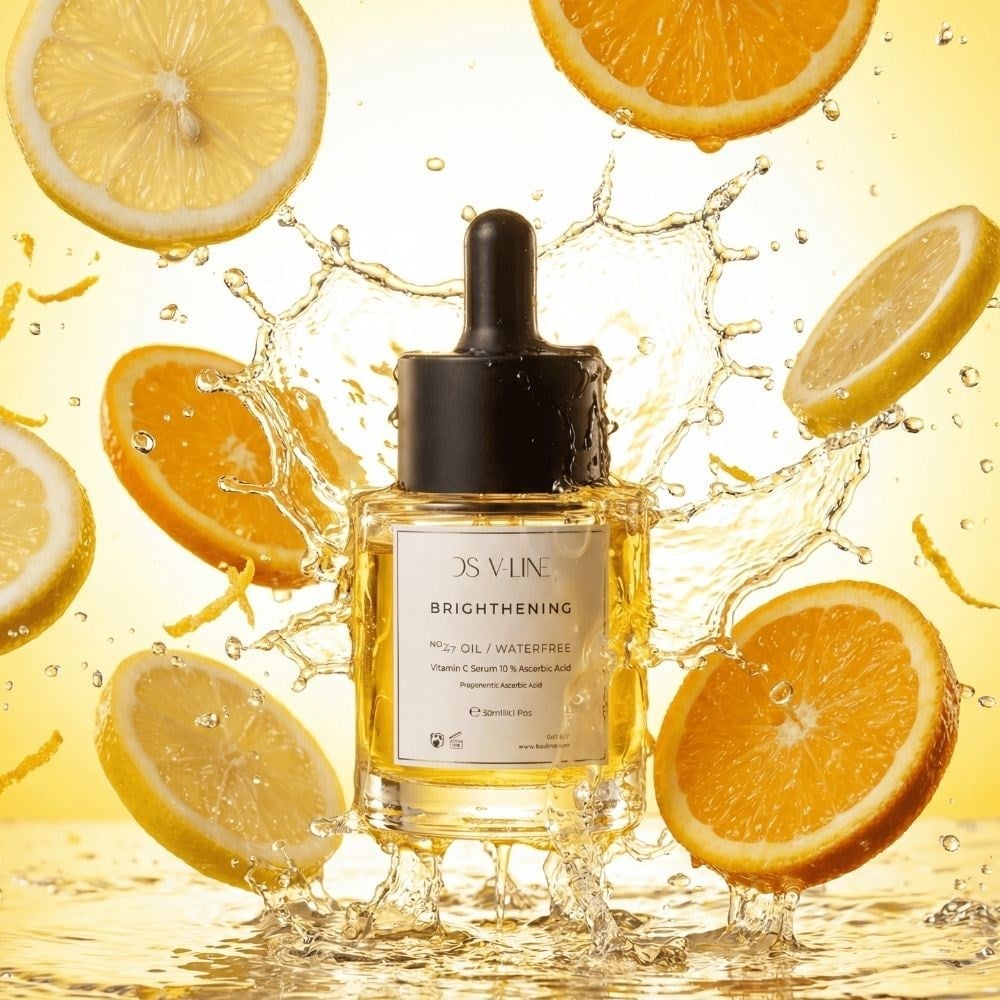
Choosing the right vitamin C serum is important because the effectiveness of vitamin C depends on its formulation, stability, and concentration. A good option is the DS V-LINE Brightening Vitamin C Serum, which contains 10% stabilized vitamin C and is designed to improve the appearance of dull skin and uneven skin tone. Its antioxidant properties help protect the skin against environmental stressors while supporting a brighter-looking complexion. For those who want to complement their skincare routine with another brightening ingredient, the DS V-LINE Brightening Niacinamide Serum is another option. Niacinamide can help improve the appearance of uneven pigmentation and support the skin barrier, making it a useful addition to a skincare routine focused on dark spots.
How to Use Vitamin C for Dark Spots Correctly
Vitamin C works best when used consistently as part of a balanced skincare routine. After gently cleansing your face, apply a few drops of vitamin C serum to clean, dry skin and allow it to absorb before using a moisturizer. Vitamin C can be used in the morning or evening, depending on the product instructions and your skin's tolerance. When applying it in the morning, always follow with broad-spectrum sunscreen because UV exposure can trigger new pigmentation and make existing dark spots more noticeable. The DS V-LINE Lumea SPF50 Sunscreen Cream can complement your morning routine by providing high sun protection. If you have sensitive skin, start with vitamin C a few times per week and gradually increase the frequency as tolerated. Avoid introducing several strong active ingredients at once, especially if your skin is prone to irritation.
How Long Does Vitamin C Take to Fade Dark Spots?
Patience is essential when treating hyperpigmentation. While some people notice a brighter complexion after a few weeks, visible improvements in dark spots often require approximately 8 to 12 weeks of consistent use. The exact timeline depends on your skin type, the cause of pigmentation, and how well your skin responds to the formula. Sun protection is especially important during this period because continued UV exposure can slow down progress and contribute to new discoloration. Vitamin C can gradually improve the appearance of pigmentation, but it cannot guarantee that all dark spots will disappear completely. A simple, consistent routine is usually more beneficial than frequently switching between different skincare products.
Additional Tips for a More Even Skin Tone
For the best results, combine vitamin C with gentle cleansing, sufficient hydration, and daily sun protection. Avoid harsh scrubs and excessive exfoliation, as irritation can sometimes worsen hyperpigmentation, particularly in skin that is prone to post-inflammatory dark spots. Niacinamide can be a useful complementary ingredient, while a moisturizer helps maintain a healthy skin barrier. Remember that pigmentation can have different causes, including sun damage, hormonal changes, and inflammation, so not every type of dark spot responds equally well to cosmetic skincare. If pigmentation appears suddenly, changes noticeably, or does not improve despite consistent care, consulting a dermatologist is recommended.
Conclusion: Is Vitamin C Good for Dark Spots?
Vitamin C is a valuable skincare ingredient for anyone looking to improve the appearance of dark spots, uneven skin tone, and dullness. Its antioxidant properties, its influence on melanin production, and its role in collagen synthesis make it a versatile addition to a daily skincare routine. With the right vitamin C serum, consistent application, and reliable sun protection, the skin can gradually appear brighter and more balanced. Products from DS V-LINE offer practical options for building a targeted skincare routine that focuses on a healthy-looking, radiant complexion.