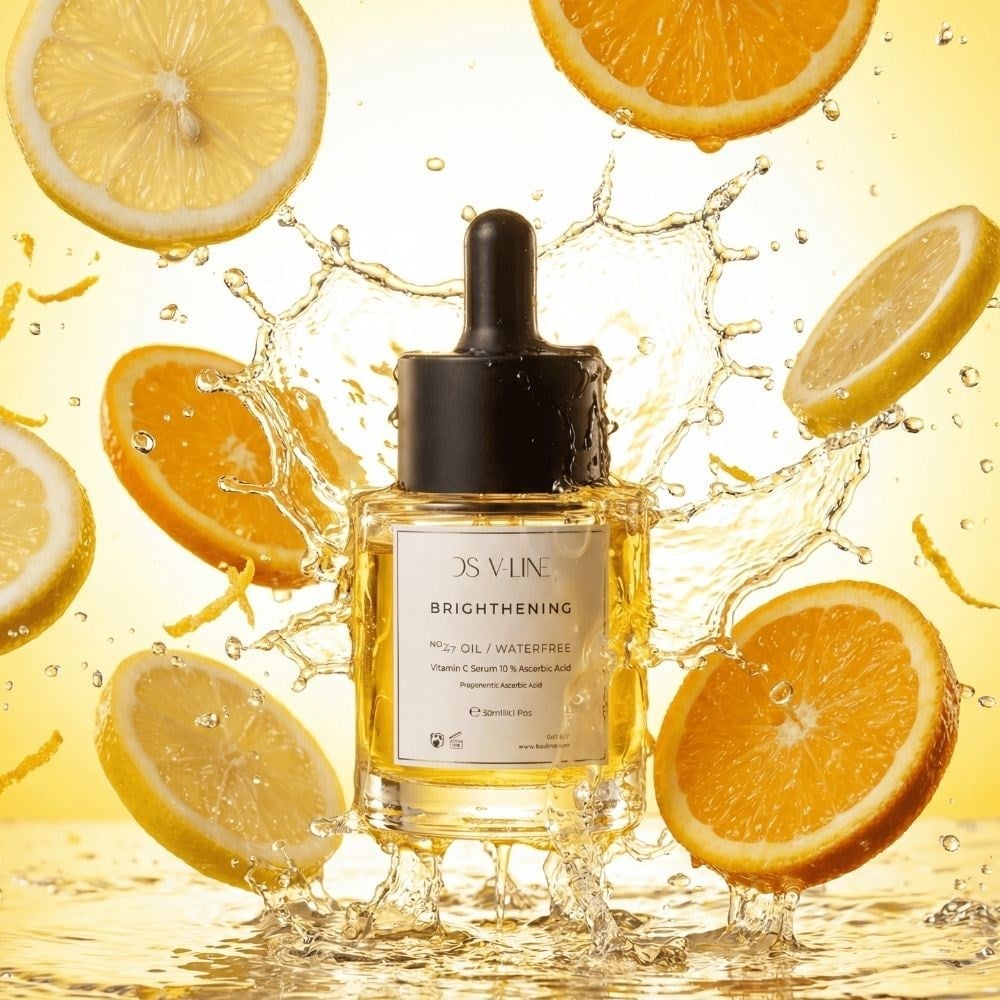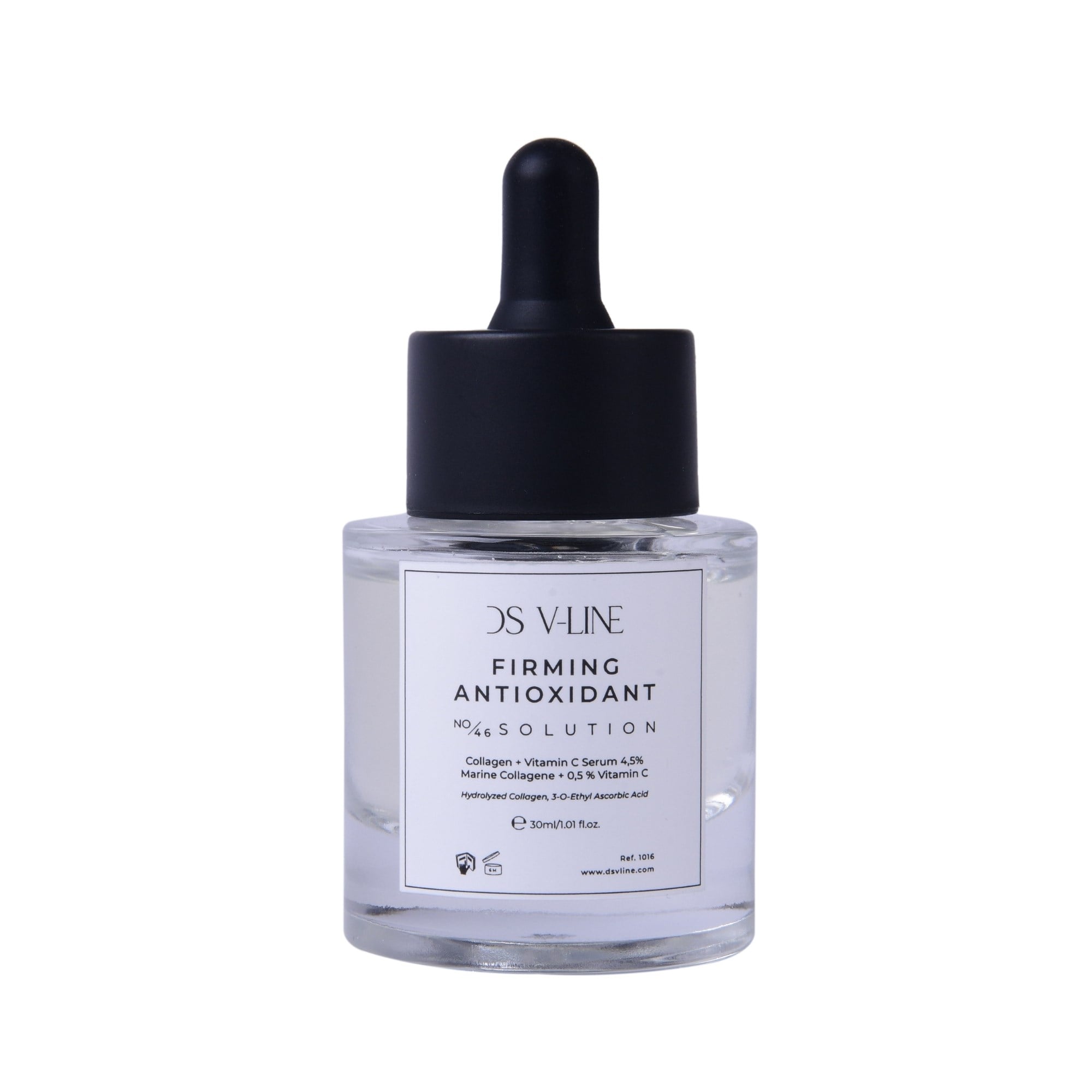

Vitamin C has become one of the most popular ingredients in modern skincare, and for good reason. It is known for its antioxidant properties and its ability to support a brighter, more even-looking complexion. But if your skin tends to react quickly to new products, you might wonder whether a vitamin C serum is actually suitable for you. The answer is not always straightforward. Sensitive skin can benefit from vitamin C, but choosing the right formulation and introducing it carefully are essential. At DS V-LINE, we offer targeted skincare solutions such as the Brightening Vitamin C Serum, which contains 10% vitamin C, and the Collagen Supported Vitamin C Serum, combining vitamin C with marine collagen. Understanding how these formulations differ can help you make a more informed choice for your skincare routine.
Is Vitamin C Suitable for Sensitive Skin?
Sensitive skin often reacts more easily to environmental influences, changes in temperature or certain skincare ingredients. Redness, tightness, itching and occasional burning sensations are common signs that your skin may not tolerate a particular product well. However, having sensitive skin does not necessarily mean you have to avoid active ingredients altogether. Vitamin C can be a valuable addition to your routine because of its antioxidant properties and its role in supporting a more radiant, even-looking complexion. The important distinction is that not every vitamin C serum is formulated in the same way. Some products contain pure L-ascorbic acid, while others use vitamin C derivatives or combine the ingredient with additional skincare components. Depending on the concentration, formulation and condition of your skin barrier, these products may feel very different when applied.
Why Can Vitamin C Cause Irritation?
One of the most commonly used forms of vitamin C in skincare is L-ascorbic acid, the biologically active form of the vitamin. It is well known for its antioxidant activity and its relevance to collagen synthesis. However, certain L-ascorbic acid formulations can cause stinging, redness or temporary discomfort, particularly when the skin barrier is already compromised. This does not mean that vitamin C is inherently harmful to sensitive skin. It simply means that concentration alone should never determine which serum you choose. The overall formulation, application frequency and condition of your skin are equally important. Even a product with a relatively short ingredient list can cause irritation if your skin is particularly reactive.
What Concentration of Vitamin C Is Best for Sensitive Skin?
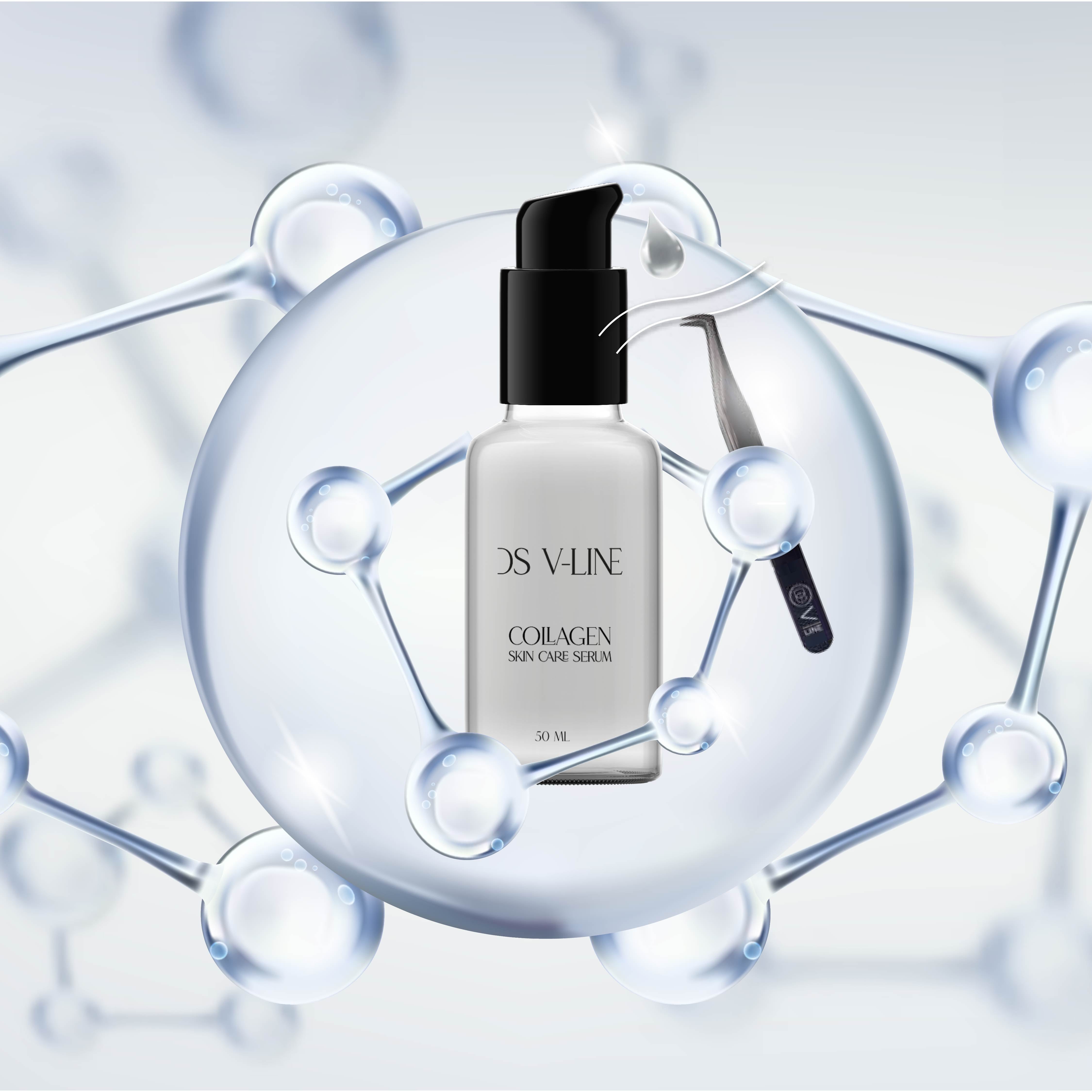
When choosing a vitamin C serum, many people assume that a higher concentration automatically delivers better results. In reality, stronger is not always better. A formula containing 10% vitamin C may suit some people perfectly, while others may find it uncomfortable, especially during the first few applications. Products with lower concentrations can be worth considering, but the percentage itself does not guarantee better tolerance. The form of vitamin C and the complete formulation must also be taken into account. At DS V-LINE, the Brightening Vitamin C Serum contains 10% L-ascorbic acid in a minimalist, water-free formulation, while the Collagen Supported Vitamin C Serum is formulated with 0.5% vitamin C and 4.5% marine collagen. These products address different skincare needs, and the lower vitamin C percentage of the collagen serum should not be interpreted as a guarantee that it will be suitable for every sensitive skin type.
How to Introduce Vitamin C into a Sensitive Skincare Routine
If you are introducing vitamin C for the first time, the best approach is to keep your routine simple. Start with a gentle cleanser, followed by your chosen serum and a suitable moisturizer. Before applying a new product to your entire face, test it on a small area of skin over several days and observe whether redness, itching or discomfort develops. If your skin tolerates the product, begin by applying it two or three times per week rather than immediately using it every day. Gradually adjust the frequency according to your skin's response and the manufacturer's instructions. For the DS V-LINE 47 Brightening Vitamin C Serum, the product directions recommend two to three drops on cleansed skin, avoiding the eye area. The serum can be incorporated into a morning or evening routine, provided your skin tolerates it. If you use it in the morning, always finish with broad-spectrum sunscreen. If you experience persistent burning, swelling or significant irritation, discontinue use and seek professional advice.
Common Mistakes When Using Vitamin C on Sensitive Skin
Using too many active ingredients at once is one of the most common mistakes. Combining a new vitamin C serum with retinol, glycolic acid, strong exfoliating products or multiple intensive treatments can make it difficult to identify what is irritating your skin. If you already use these ingredients, consider alternating them between different routines instead of layering everything together. Applying too much product is another frequent mistake. More serum does not necessarily mean better results, and using excessive amounts may increase discomfort. Ignoring your skin barrier can also make matters worse. If your skin already feels tight, irritated or unusually reactive, prioritizing gentle cleansing and moisturization may be more beneficial than introducing another active treatment. Finally, expecting immediate results can lead to unnecessary product changes. Improvements in skin tone and radiance usually require consistent care over time, and sensitive skin often responds better to a gradual, uncomplicated routine.
Which DS V-LINE Vitamin C Serum Should You Choose?
The right choice depends on your primary skincare concern and how your skin responds to active ingredients. If your goal is to improve the appearance of dullness, uneven skin tone or visible signs of premature ageing, the DS V-LINE Brightening Vitamin C Serum offers a targeted formula with 10% L-ascorbic acid. Its minimalist, water-free composition may appeal to people who prefer a focused vitamin C treatment, although it should still be introduced carefully when the skin is sensitive. The DS V-LINE Collagen Supported Vitamin C Serum, on the other hand, combines 0.5% vitamin C with 4.5% marine collagen and focuses on supporting a fuller, more supple-looking complexion. Neither formulation should be considered universally suitable for sensitive skin. If your skin is currently irritated or your barrier feels compromised, a gentle moisturizer and a simple skincare routine should take priority.
Frequently Asked Questions About Vitamin C and Sensitive Skin
Can vitamin C serum cause redness? Yes. Some vitamin C formulations can cause redness, tingling or irritation, especially when the skin is already sensitive or the product is introduced too quickly. Persistent irritation is a reason to stop using the product.
Can I use vitamin C serum every day? Some people can use vitamin C daily without difficulty, while others benefit from introducing it only a few times per week. Follow the individual product instructions and adjust the frequency according to your skin's tolerance.
Should I use vitamin C in the morning or evening? Both can be suitable depending on the formulation. Morning application is popular because vitamin C provides antioxidant support, but it does not replace sunscreen. The DS V-LINE 47 Brightening Vitamin C Serum is intended for morning or evening use.
Can I combine vitamin C with hyaluronic acid? Yes, these ingredients can generally be included in the same skincare routine. Hyaluronic acid focuses primarily on hydration, while vitamin C is commonly used for antioxidant care and a more even-looking complexion. However, the complete formulations should always be considered.
Conclusion: Gentle Skincare Is About Finding the Right Balance
Vitamin C can be a useful ingredient even for people with sensitive skin, but successful skincare is not about choosing the strongest serum or using as many active ingredients as possible. It is about understanding your skin, selecting suitable formulations and introducing new products at a pace your skin can tolerate. Whether you are interested in the 10% DS V-LINE Brightening Vitamin C Serum or the Collagen Supported Vitamin C Serum, remember that a consistent routine with gentle cleansing, appropriate moisturization and daily sun protection provides the foundation for healthy-looking, balanced skin.