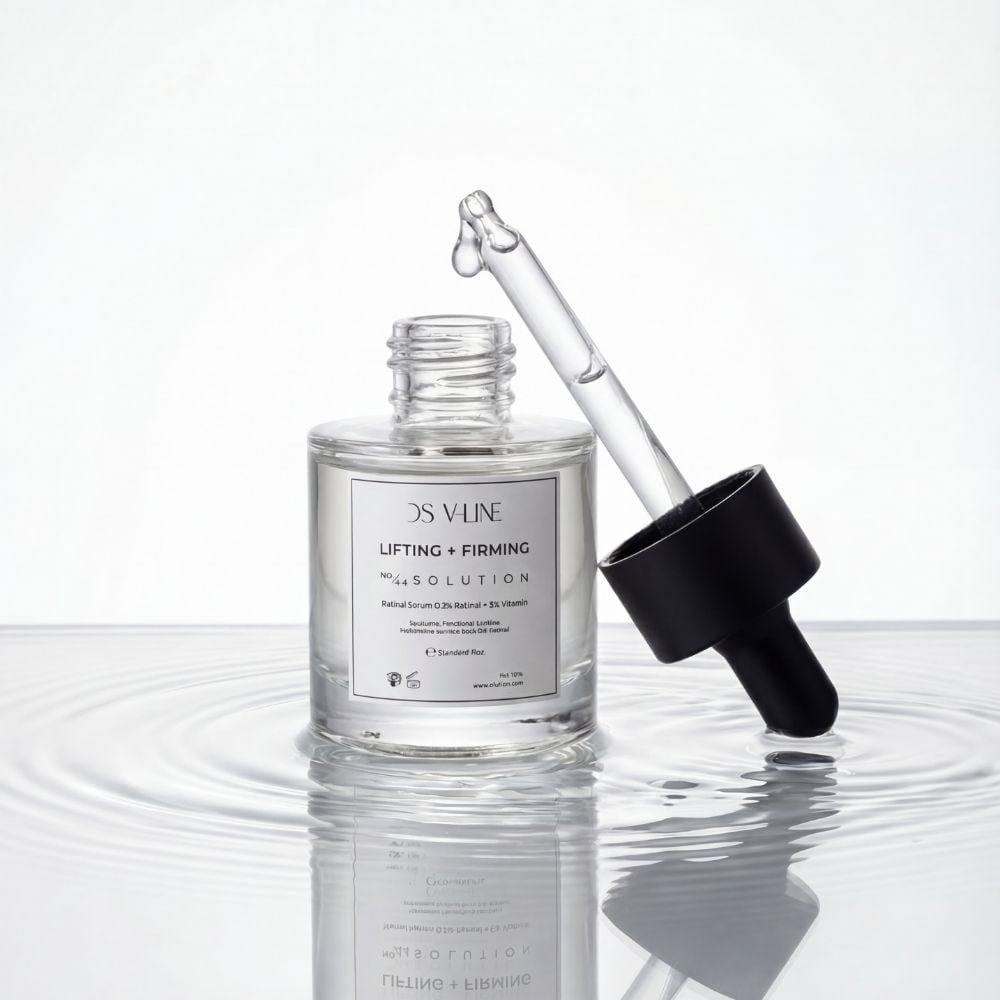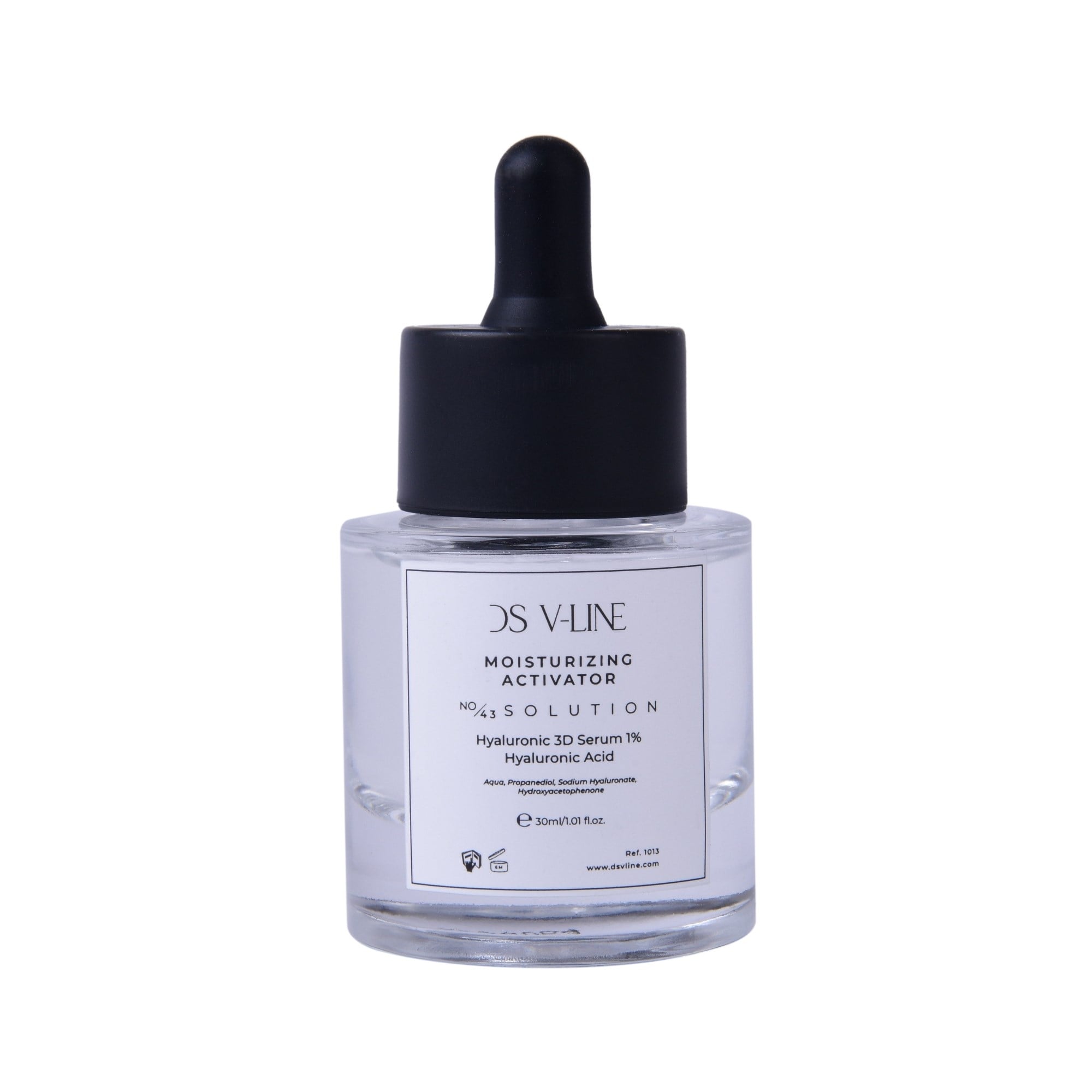

You wash your face, apply your moisturizer and think everything is fine—until you notice little flakes of skin around your nose again. Sometimes they sit right in the creases beside your nostrils. Other times, the skin feels tight, looks slightly red or becomes more noticeable when you apply makeup. If you're wondering why the skin around your nose keeps peeling even though the rest of your face looks perfectly normal, you're asking an important question. Flaky skin around the nose can have several causes, from simple dryness and irritation to conditions that need a different approach. Gentle skincare, including barrier-focused products such as DS V-LINE SucraEx Barrier Repair Cream, may help when dryness and skin barrier stress are involved. If your skin also lacks hydration, DS V-LINE Moisturizing Hyaluronic 3D Serum can be an additional step. But before you reach for another cream or exfoliator, it helps to understand why the flakes appear in the first place.
What Causes Flaky Skin Around the Nose?
The skin around the nostrils is exposed to quite a lot throughout the day. We wipe our noses, cleanse our faces, apply skincare products and sometimes rub the area without even noticing. At the same time, the folds beside the nose are among the facial areas where certain inflammatory skin conditions commonly appear. That is why dry, flaky skin around the nose does not always have the same explanation. Ordinary dryness may cause fine, loose skin flakes and a tight feeling, while irritation can be accompanied by burning or tenderness. Persistent scaling with redness, itching or greasy-looking flakes may point toward another condition, such as seborrheic dermatitis. Recognizing these differences matters because repeatedly exfoliating or applying increasingly heavy creams is not necessarily the right solution.
1. Dry Skin and a Weakened Skin Barrier
One of the simplest explanations is that the skin around your nose has become too dry. Cold weather, indoor heating, harsh cleansing products and frequent washing can contribute to moisture loss. When the skin's outer protective layer is stressed, its surface may become rough and individual skin cells can detach more visibly, creating small white flakes. You may also notice tightness after washing or a slightly rough texture along the sides of your nose. If this sounds familiar, focus on gentle cleansing and consistent moisturizing rather than trying to remove every flake. SucraEx Barrier Repair Cream is designed to support the skin barrier, hydration and skin comfort, making it a relevant option for a simple routine when the area feels dry or sensitive. Apply it according to the product instructions, avoiding the inside of your nostrils and any open or broken skin.
2. Irritation from Cleansers, Exfoliants and Active Ingredients
The nose is often one of the areas that receives extra attention during cleansing. We may scrub it to remove visible pores, use strong foaming cleansers or apply exfoliating acids in the hope of achieving smoother skin. However, over-cleansing and frequent exfoliation can leave the skin around the nostrils feeling increasingly sensitive. Retinol, exfoliating acids, fragranced products and other active formulas can also cause irritation in some people, particularly when several are used together. If the flaking began shortly after introducing a new product, consider whether the timing could be connected. Temporarily simplifying your skincare routine and reducing potentially irritating products may help. If you suspect a true allergic reaction, stop using the suspected product and seek appropriate medical advice.
3. Seborrheic Dermatitis: When Flakes Are Not Just Dry Skin
If the skin beside your nose repeatedly flakes, becomes red or itchy, and develops slightly greasy or yellowish-looking scales, seborrheic dermatitis may be one possible explanation. This common inflammatory skin condition often affects areas with higher oil-gland activity, including the sides of the nose, eyebrows, scalp and ears. It is associated with several factors, including the skin's inflammatory response to naturally occurring Malassezia yeast, and it is not simply caused by poor hygiene. Some people experience recurring flare-ups, particularly during colder months or periods of stress. A cosmetic moisturizer can help with comfort, but seborrheic dermatitis may require specific treatment, often involving antifungal or anti-inflammatory medicines recommended by a healthcare professional. If flakes keep returning despite gentle skincare, do not assume that stronger exfoliation is the answer.
4. Contact Dermatitis and Everyday Friction
Not every red, flaky patch is caused by dehydration or seborrheic dermatitis. Contact dermatitis can develop when the skin reacts to an irritating substance or an ingredient to which someone is allergic. Fragrance, skincare products, tissues, nasal sprays that contact the surrounding skin and repeated rubbing may all be relevant depending on the circumstances. This is especially noticeable during colds or allergy season, when frequent nose-blowing can leave the skin around the nostrils sore and flaky. If you suspect irritation, use soft tissues, avoid rubbing as much as possible and simplify the products applied to the area. Persistent reactions may require an assessment by a dermatologist, particularly when it is unclear which ingredient or exposure is responsible.
5. Why Does the Skin Flake Even When My Nose Looks Oily?
It can seem contradictory to have a shiny nose and flaky skin at the same time, but oil production and hydration are not identical. Your skin can produce sebum while its outer layers still lack sufficient water or feel irritated. At the same time, seborrheic dermatitis can appear in oil-rich areas and cause scaling that resembles dryness. This means that a shiny nose does not automatically need a stronger cleanser, and visible flakes do not always mean you need the richest cream available. When dehydration is part of the problem, a hydration-focused product such as Moisturizing Hyaluronic 3D Serum may fit into your routine before moisturizer. However, hydration alone will not treat an underlying inflammatory skin condition. The most effective approach starts with identifying what is actually causing the flakes.
6. Should You Exfoliate Flaky Skin Around Your Nose?
When small flakes are visible, the temptation is to scrub them away immediately. Unfortunately, that can create a cycle: the skin becomes irritated, more flakes appear, and you feel the need to exfoliate again. If the area is already red, sore or actively peeling, avoid rough scrubs and intensive exfoliating acids until the skin has settled. Do not pick at attached scales or remove them forcefully. A gentle cleanser and appropriate moisturizer are often more useful for dryness-related flaking. Exfoliation can still have a place in a skincare routine when it is well tolerated, but it should not be the automatic solution to unexplained scaling. Persistent or inflamed flakes deserve a closer look rather than increasingly aggressive skincare.
7. A Simple Skincare Routine for Dry, Flaky Skin Around the Nose
If your symptoms appear consistent with uncomplicated dryness or mild irritation, start by keeping the routine simple for several days. In the morning, cleanse gently or rinse with lukewarm water, then apply a moisturizer that feels comfortable on your skin. When you need additional hydration, use the DS V-LINE Moisturizing Hyaluronic 3D Serum according to its directions before your cream. Follow with SucraEx Barrier Repair Cream to support moisture retention and a comfortable skin feel. During the day, use an appropriate sunscreen on exposed facial skin. In the evening, gently remove sunscreen and makeup, avoid unnecessary scrubbing and repeat your moisturizing steps as needed. If a product causes stinging, worsening redness or discomfort, discontinue it rather than trying to push through the reaction. This routine is intended for cosmetic care of dry or stressed skin, not as a substitute for treatment of eczema, infection or another diagnosed condition.
When Should You See a Dermatologist?
Occasional fine flakes after cold weather or frequent nose-blowing may improve when you reduce irritation and take better care of your skin barrier. However, repeated flaking in exactly the same area, noticeable redness, greasy scales, persistent itching or involvement of the eyebrows and scalp may indicate seborrheic dermatitis or another skin condition. Seek medical advice if the problem does not improve, keeps returning or worsens. Painful cracks, spreading redness, discharge, yellow crusting or significant swelling should also be assessed promptly. A professional can distinguish between dryness, contact dermatitis, seborrheic dermatitis, psoriasis and other possible causes, then recommend treatment appropriate to the diagnosis.
Frequently Asked Questions About Flaky Skin Around the Nose
Why is the skin around my nostrils peeling?
Peeling skin around the nostrils can result from dryness, friction from tissues, irritation caused by skincare products or certain inflammatory skin conditions. The pattern of the flakes and whether redness, itching or discomfort is present can help indicate which cause is more likely.
Why do I have white flakes in the creases beside my nose?
Fine white flakes may occur when the skin is dry or irritated. However, recurring scaling in the creases beside the nose can also be associated with seborrheic dermatitis, particularly when accompanied by redness or itching.
Can seborrheic dermatitis affect the sides of the nose?
Yes. The folds beside the nose are among the common areas affected by seborrheic dermatitis. It can also involve the scalp, eyebrows, ears and other oil-rich areas. A dermatologist can assess whether this is the cause and recommend suitable treatment.
Can a moisturizer help with flaky skin around the nose?
A moisturizer may help if the flakes are related to dry skin or irritation from moisture loss. Barrier-focused skincare such as DS V-LINE SucraEx Barrier Repair Cream can support hydration and skin comfort, but it does not replace medical treatment when a skin condition is responsible.
Should I remove the flakes with a facial scrub?
Not when the skin is irritated or actively peeling. Scrubbing can worsen irritation and make the area more uncomfortable. Gentle cleansing and suitable moisturizing are usually a better starting point while you determine what is causing the scaling.
Why do the flakes keep coming back?
Repeated flaking may mean that the original trigger is still present, such as irritating products, frequent friction or environmental dryness. Recurring inflammation can also be a sign of a condition like seborrheic dermatitis, which may need ongoing medical management rather than cosmetic skincare alone.
Final Thoughts: Treat the Cause, Not Just the Flakes
Flaky skin around the nose is a small problem that can become surprisingly frustrating, especially when it returns despite regular moisturizing. The key is to avoid assuming that every flake means the same thing. Dryness and irritation may benefit from a gentle, barrier-focused routine, while persistent redness, itching or greasy scaling may require a dermatologist's assessment. If your skin simply needs more comfortable everyday care, products such as DS V-LINE SucraEx Barrier Repair Cream and Moisturizing Hyaluronic 3D Serum can be useful additions to a simplified routine. Pay attention to your skin's response, avoid unnecessary exfoliation and remember that a targeted approach is often more effective than adding another intensive treatment.