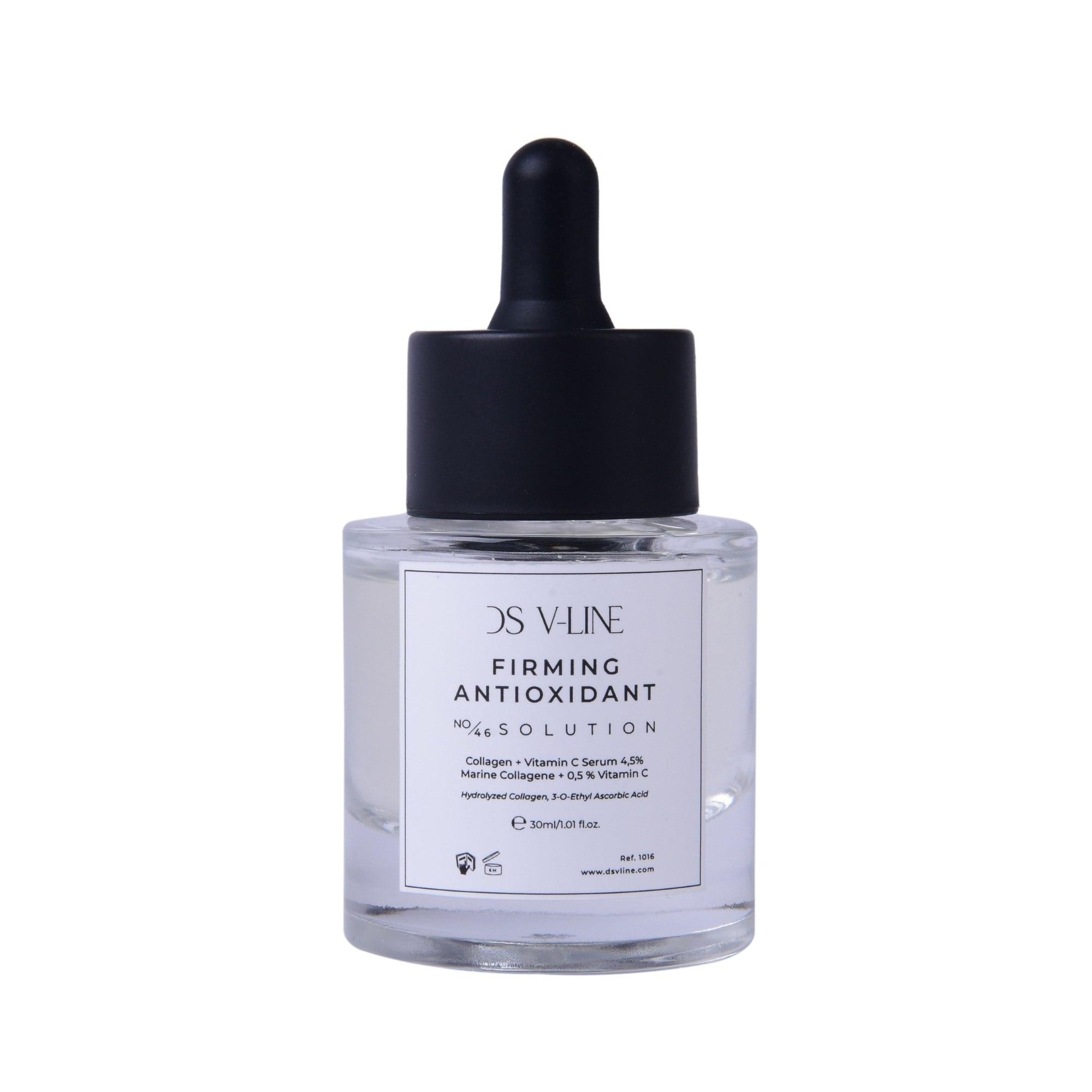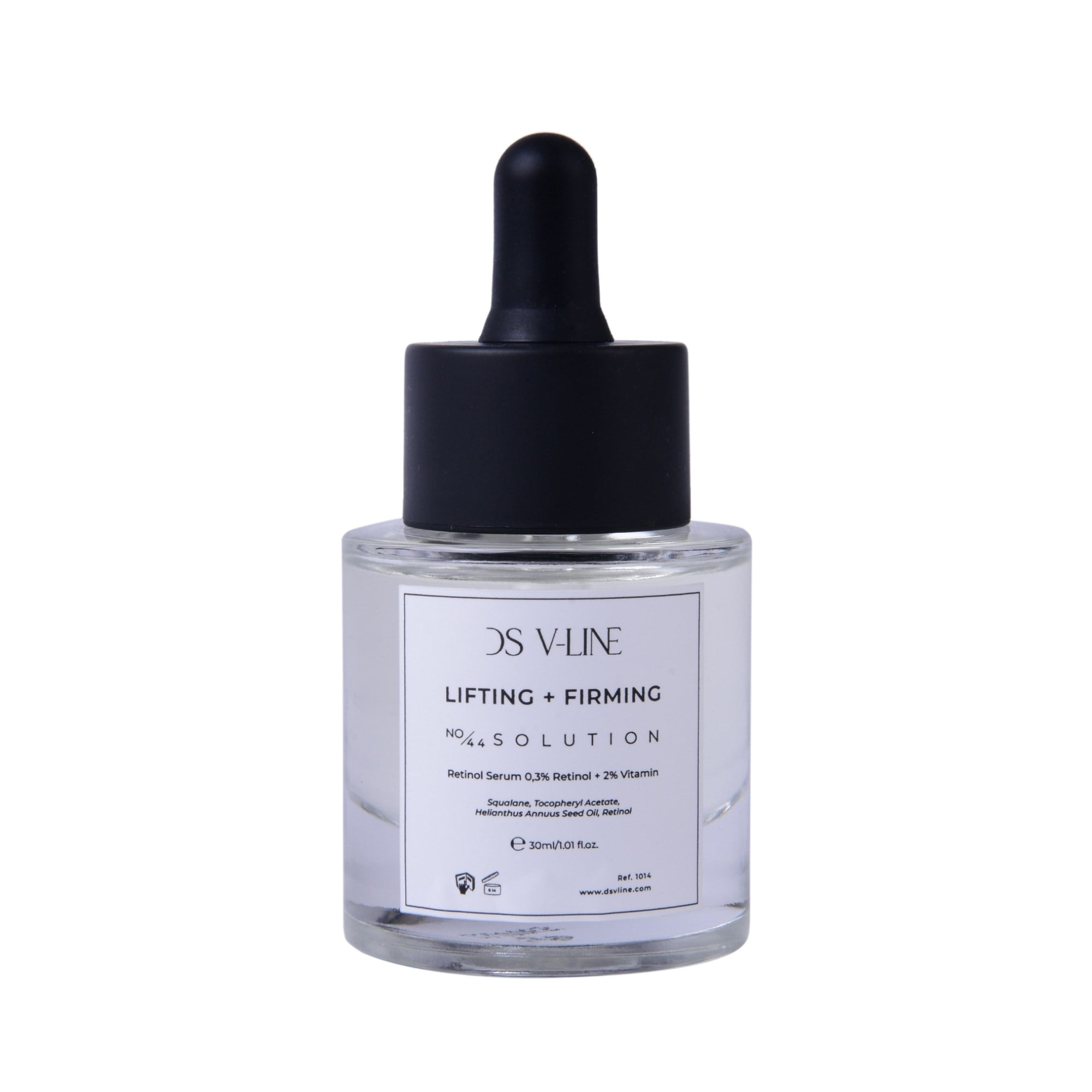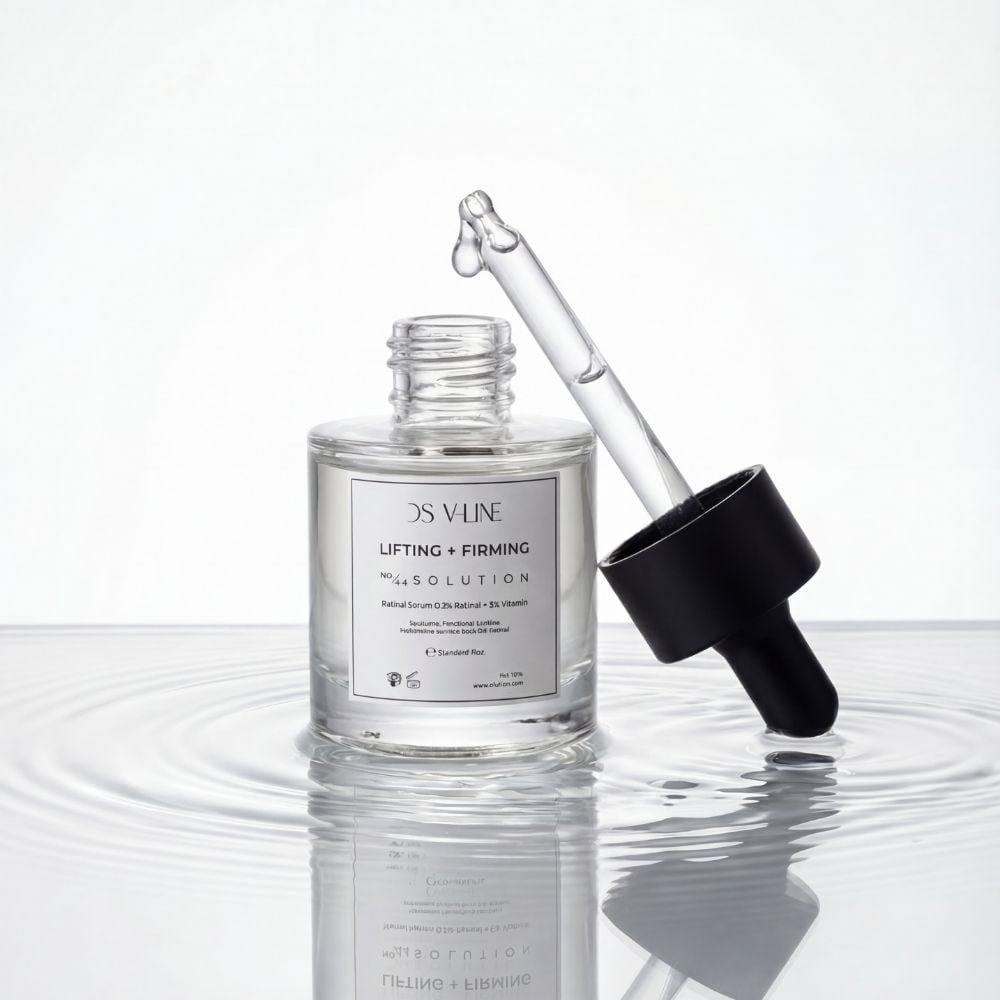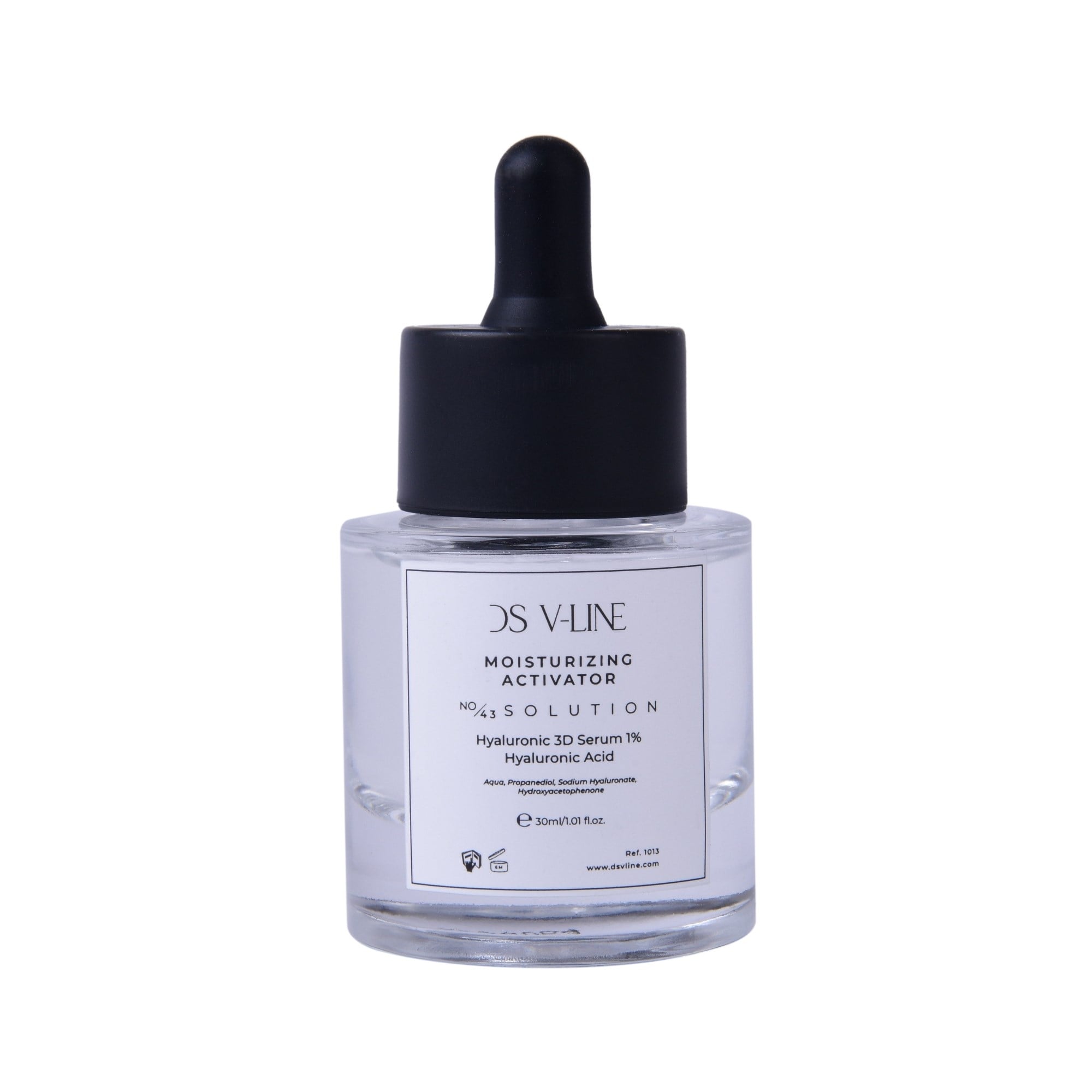

Winter has a way of making itself noticeable on our skin. One day, your usual skincare routine feels perfectly fine. A few weeks later, your cheeks feel tight after cleansing, your makeup settles into dry patches, and your skin seems to need more moisture than usual. If this sounds familiar, you're not alone. Cold outdoor temperatures, dry indoor heating and sudden changes between warm and cold environments can make it harder for your skin to stay comfortable. The good news is that winter skincare doesn't need to be complicated. A few thoughtful adjustments, combined with targeted skincare products such as the DS V-LINE Moisturizing Hyaluronic 3D Serum for additional hydration and the SucraEx Barrier Repair Cream for barrier-focused care, can help your skin feel more comfortable throughout the colder months. Here are eight practical tips to help your skin feel softer, smoother and better cared for during winter.
Why Does Skin Become Drier in Winter?
During winter, the air often contains less moisture, while indoor heating can reduce relative humidity even further. At the same time, cold temperatures, wind and frequent temperature changes can put additional stress on the skin's protective barrier. When the outermost layer of the skin struggles to retain enough moisture, water can escape more easily, leaving the skin feeling tight, rough or uncomfortable. This process is known as transepidermal water loss, or TEWL. People with naturally dry or sensitive skin may notice these changes especially quickly, but even oily or combination skin can become dehydrated during winter. That's why the most useful winter skincare routine focuses on two things: helping the skin maintain hydration and reducing unnecessary irritation.
1. Cleanse Gently Instead of Washing Your Face More Often
When your skin feels dry, cleansing too frequently can make the problem worse. Harsh cleansers, aggressive scrubbing and repeated washing may remove some of the natural oils that help keep your skin comfortable. During winter, choose a gentle cleanser that leaves your face feeling clean without that squeaky-tight sensation. For some people, rinsing with lukewarm water in the morning and using a suitable cleanser in the evening is enough, especially when the skin feels unusually dry. If you wear makeup or sunscreen, evening cleansing is still important, but there's no need to scrub your face to make it feel clean. Pay attention to how your skin feels immediately afterward: persistent tightness is often a sign that your routine needs adjusting.
2. Keep Showers Short and Avoid Very Hot Water
A long, hot shower might be tempting after a freezing day, but your skin may not appreciate it. Very hot water can remove surface oils and increase feelings of dryness, particularly if your skin is already sensitive. Try using comfortably warm water instead and avoid spending too long under the shower. The same principle applies when washing your face. Once you're finished, gently pat your skin dry rather than rubbing it with a towel. Applying your moisturizer while the skin is still slightly damp can help make your routine more comfortable. It's a small change, but one that's easy to maintain throughout the winter.
3. Add a Hydrating Serum Before Your Moisturizer
Sometimes a moisturizer alone doesn't seem to be enough, especially when your skin feels tight despite regular application. This is where a hydrating serum can be useful. Hyaluronic acid is a humectant, meaning it helps attract and retain water in the outer layers of the skin. A lightweight serum can add a dedicated hydration step without making the rest of your routine feel unnecessarily heavy. The DS V-LINE Moisturizing Hyaluronic 3D Serum was developed to support the skin's moisture balance using hyaluronic acid with different molecular weights. Apply it according to the product instructions after cleansing and follow with a suitable moisturizer. In winter, this combination is often more useful than repeatedly applying a hydrating serum without a cream afterward. If you'd like to understand the difference between dryness and dehydration, explore our guide to dry and dehydrated skin.
4. Give Your Skin Barrier Extra Attention
When winter dryness comes with sensitivity, rough patches or a persistent feeling of tightness, hydration may not be the only thing your skin needs. Your skin barrier helps limit moisture loss and protect against everyday environmental stress. Supporting it is particularly important during colder months, when the skin is exposed to wind, dry air and frequent changes in temperature. Look for a moisturizer that not only hydrates but also helps maintain skin comfort and supports the barrier's protective function. The DS V-LINE SucraEx Barrier Repair Cream is a suitable option for a barrier-focused routine, especially when skin feels dry, stressed or sensitive. Its formulation is designed to support moisture retention and a more comfortable skin feel without requiring an overly complicated routine. For a deeper explanation of how the skin barrier works, read our skin barrier repair guide.
5. Pay Attention to Indoor Humidity
Winter skincare isn't only about what you put on your face. The environment in your home can also make a difference. When cold outdoor air is heated indoors, relative humidity often drops, making the air feel particularly dry. If you spend long hours in heated rooms, consider checking the humidity with a simple hygrometer. An indoor humidity level of around 40–50% can be a useful comfort target, provided you avoid excessive moisture and condensation. A properly maintained humidifier may help when the air is persistently dry, but it should be cleaned regularly to prevent microbial growth. It's also worth avoiding prolonged exposure to direct heat from radiators or hot air blowing toward your face. These changes won't replace skincare, but they can make your surroundings more comfortable for both your skin and your airways.
6. Reduce Exfoliation When Your Skin Feels Sensitive
Exfoliation can help improve the appearance of rough or uneven skin, but winter isn't necessarily the best time to increase how often you exfoliate. If your skin already feels tight, flaky or irritated, strong exfoliating acids, rough facial scrubs and frequent use of several active products can make your routine harder to tolerate. Instead of trying to remove every visible dry patch immediately, focus on maintaining hydration and comfort. You may find it helpful to reduce exfoliation temporarily until your skin feels more balanced. This doesn't mean that retinol or exfoliating products must be avoided throughout winter. It simply means that your skin's tolerance should guide your routine. Introduce intensive products gradually, follow their directions and avoid combining too many potentially irritating treatments at once.
7. Don't Skip Sunscreen Just Because It's Cold
One of the most common winter skincare mistakes is putting sunscreen away as soon as summer ends. Although the sun may feel weaker during colder months, ultraviolet radiation doesn't disappear. UVA rays can reach your skin throughout the year and contribute to premature skin ageing. Snow can also reflect sunlight, increasing exposure during winter activities, particularly at higher elevations. On days when your skin will be exposed to daylight, a broad-spectrum sunscreen is an important final step in your morning routine. The DS V-LINE Lumea SPF50 Sunscreen Cream provides SPF 50+ broad-spectrum protection and is formulated to feel comfortable on the skin. Apply an adequate amount according to the product instructions and reapply as needed, especially when spending extended periods outdoors. Your skin needs protection from UV radiation in winter just as it does during the rest of the year.
8. Keep Your Winter Routine Simple and Consistent
When skin suddenly becomes dry, it's easy to assume you need an entirely new collection of products. In reality, consistency often matters more than adding more steps. Start with gentle cleansing, choose a hydrating product when your skin needs additional moisture, follow with a suitable cream and use sunscreen during the day. If your skin becomes particularly sensitive, consider temporarily reducing stronger active treatments rather than layering several new products on top of one another. Give your skin time to adjust, and pay attention to what genuinely makes it feel more comfortable. A simple routine that you can follow every day is often more useful than an elaborate routine you struggle to maintain.
A Simple Winter Skincare Routine with DS V-LINE
Morning Routine
Start with gentle cleansing, or simply rinse your face with lukewarm water if that suits your skin. Next, apply the Moisturizing Hyaluronic 3D Serum to support hydration. Follow with SucraEx Barrier Repair Cream if your skin needs additional barrier-focused care and comfort. Finish with Lumea SPF50 Sunscreen Cream for daily UV protection. These steps address different needs without making the routine unnecessarily complicated.
Evening Routine
In the evening, gently remove sunscreen, makeup and daily impurities. If your skin feels dehydrated, apply the Moisturizing Hyaluronic 3D Serum after cleansing and complete your routine with SucraEx Barrier Repair Cream. During especially cold or dry periods, you may find that focusing on these basic steps is more comfortable than using multiple intensive treatments. Adjust the routine to your skin's needs and follow the instructions for each product.
Frequently Asked Questions About Winter Skincare
Can Indoor Heating Really Cause Dry Skin?
Indoor heating can lower relative humidity, which may contribute to moisture loss and feelings of dryness or tightness. The effect varies depending on your environment, skin type and existing skincare routine.
Should I Use Hyaluronic Acid in Winter?
Yes, a hyaluronic acid serum can be a useful addition to a winter skincare routine because it helps support hydration. It is generally best followed by a suitable moisturizer, particularly when the indoor air is dry.
Is a Richer Cream Always Better in Winter?
Not necessarily. The best moisturizer depends on your skin type, sensitivity and how the complete formula feels on your skin. A comfortable, barrier-supporting cream may be more useful than choosing the thickest product available.
How Often Should I Exfoliate in Winter?
There is no single ideal frequency for everyone. If your skin feels irritated, tight or flaky, consider reducing exfoliation and prioritising gentle skincare until it feels more comfortable.
What If My Skin Stays Dry Despite Using Moisturizer?
If dryness persists, review your cleanser, shower temperature, indoor humidity and how often you use exfoliating products. Persistent cracking, intense itching, inflammation or painful skin changes should be assessed by a healthcare professional, as they may require more than cosmetic skincare.
Final Thoughts: Your Skin Doesn't Need a Complicated Winter Routine
Cold weather and indoor heating can make even a familiar skincare routine feel less effective, but the answer isn't necessarily to use more products. Gentle cleansing, consistent hydration, barrier-focused care and appropriate UV protection can help your skin feel more comfortable throughout the season. Start with the changes that make the biggest difference to how your skin feels, and build from there. With a little consistency, winter skincare can remain simple, practical and enjoyable.
Explore the DS V-LINE skincare collection for dry skin to find products that fit your winter routine.